Hon’ble Mr. Justice Pradeep Singh Yerur celebrates his 55th birthday today.
Hon’ble Mr. Justice Pradeep Singh Yerur: Born on 21.06.1970. Enrolled as an Advocate on 30.05.1997.
Practiced in the field of Constitutional law, Labour Laws, Company Laws, Intellectual Property, Penal Laws, Banking Laws, Negotiable Instrument Laws, Property Laws, Consumer Protection Laws, Service law, House Rent Laws, Family Laws, Land Acquisition, Economic Offence Laws, Education Law before High Court of Karnataka, Punjab and Haryana High Court and Supreme Court of India.
Appointed as Additional Judge of the High Court of Karnataka and taken oath on 11.11.2019 and Permanent Judge on 08.09.2021.
Important judgments delivered by Justice Pradeep Singh Yerur.
N.I. Act. Cheque issued to managing partner of partnership firm. Complaint filed in the name of partnership firm not maintainable. Karnataka High Court.
Indian Penal Code. Section 304A. There must be a direct nexus between death of a person and rash and negligent act of accused. Death due to electrocution. Criminal negligence against Section officer of the electric company not proved. Karnataka High Court.
Writ Jurisdiction. Petition under Article 226 would NOT lie for issuance of a writ of Habeas Corpus for tracing missing persons. Only in cases of illegal detention or custody, such writ can be issued. Karnataka High Court. (DB)
Judicial review. A rule cannot be challenged on grounds of individual hardship. Courts cannot question wisdom behind policy decisions. Karnataka High Court upholds Rule increasing age limit of doctors for posts of General Duty Medical Officers. (DB)
Judicial review. Look Out Circular issued by Bank against debtor in larger public interest and economic interest of the nation cannot be the subject matter of judicial scrutiny. National interest is paramount. Karnataka High Court. (DB)
‘Perjury has become a way of life in the Law Courts.’ – Karnataka High Court while dismissing appeal arising out of a false claim under the Motor Vehicles Act with exemplary costs. (DB)
Electricity Supply. Purchaser of industry is liable to pay arrears towards electricity supply to earlier owner. However, there shall be apportionment of purchaser’s liability when only a part of industry is purchased. Karnataka High Court. (DB)
Bank loans. One Time Settlement. Once the OTS payment is made by the principal borrower, the surety is also discharged. Law on One Time Settlement discussed. Karnataka High Court. (DB)
Bar under Section 132 of the Karnataka Land Reforms Act does not apply to a suit where the very jurisdiction of the Land Tribunal to grant occupancy rights is questioned. Karnataka High Court.
Employees Compensation Act, 1923. Section 4A(3)(a). Interest at 12% per annum shall be awarded from the date of the accident and not after expiry of thirty days thereafter. Karnataka High Court.
RTE Act. Government has no power to conduct examinations of its own other than the regular examinations conducted by the schools. Karnataka High Court.
Karnataka SC/ST PTCL Act. Delay of 20 years in applying for cancellation of the sale. Such application cannot be entertained by the authorities. Karnataka High Court.
We are living in different times, of terrorism. ‘’Bail is a rule & jail is an exception’’ has spent itself when it comes to acts of terrorism. Karnataka High Court reject bail plea of accused involved in ‘K.G.Halli Riots’.
Transfer of license for distribution of essential commodities is governed by the Control Order prevalent at the time of grant of license. Restrictions imposed in the subsequent Order cannot be applied. Karnataka High Court.
Statutory authority cannot take away property of the Citizen without paying compensation. Karnataka High Court directs conveyance of the alternate property.
Fair price shop. Compassionate allotment of licence on the ground of death of authorized original dealer. Control Order of 2016 and 2021 would not be applicable for the licenses issued earlier. Karnataka High Court.
Motor Vehicles Act. Renewal of permit is a privilege and preferential right of permit holders which shall be considered within a stipulated time failing which deemed renewal kicks in. Karnataka High Court.
‘’It is the duty of the State to take care of the widows and children of ex-servicemen who served this country’’. Karnataka High Court directs proper consideration of application for grant of land by widow of soldier.
Government Advocate has only fiduciary relation with the Government and cannot claim the benefit of forcing the Government to continue his services if the Government does not wish to do so. Karnataka High Court.
Order XXII Rule 10 of CPC. Procedure in case of assignment before final order in suit applies even to a suit for permanent injunction. Karnataka High Court.
When property is transferred by way of a registered document, Revenue authorities are duty bound to make entry in the revenue records/mutation records without application of the parties. Karnataka High Court.
Party whose presence would enable the Court to completely and effectively and adequately adjudicate upon all matters in dispute in the suit can be impleaded though no specific relief is sought against such party. Karnataka High Court.
Land acquisition Act of 2013. There is no bar for the land-loser to make an application even after the period of thirty days for reference under Section 64. Karnataka High Court.
When once the tenanted land is vested with the State Government under the Karnataka Land Reforms Act, the same cannot be subsequently declared as Wakf property. Karnataka High Court.
’Direction to mutate name of Government in respect of private property, without following due process of law, is illegal’. Karnataka High Court orders restoration of the owner’s name in the revenue records.
Cr.P.C. Inherent power to recall judgment applies only in cases of lack of jurisdiction, abuse of process, or denial of natural justice. Karnataka High Court.
Change of khata in respect of a purchased site cannot be refused on the ground that the original layout is unauthorised and illegal or that the site falls within the park or other civic area. Karnataka High Court.
A preliminary notification for land acquisition could be quashed if the authorities fail to proceed with the acquisition process within a reasonable time, even if the law does not prescribe a specific time limit. A reasonable period for issuing the final notification is two years. Karnataka High Court.
Hon’ble Mr. Justice Sreenivas Harish Kumar celebrates his 62nd birthday today.
Hon’ble Mr. Justice Sreenivas Harish Kumar: Born on 16th June, 1963. Enrolled as an advocate on 11.02.1987 and practiced independently at Chikkaballapur, City Civil Court and High Court of Karnataka, Bangalore on Civil side. Directly appointed as District and Sessions Judge on 27th May, 2002 and served as Additional Districts and Sessions Judge at Tumkuru; and City Civil Court, Bangalore and Principal District and Sessions Judge at Bidar, Chitradurga, Bangalore Rural Districts. And also served as Director Karnataka Judicial Academy, Bengaluru. Appointed as an Additional Judge of the High Court of Karnataka on 14.11.2016 and Permanent Judge on 03.11.2018.
Important judgments delivered by Justice Sreenivas Harish Kumar.
Public Trust. Decision on application under section 92 CPC shall be taken by looking into only the plaint averments. Application can be opposed only with reference to plaint averments only. Karnataka High Court.
Civil Procedure Code. Order granting leave under section 92 in respect of public trust is a judicial order and can be questioned by revision petition under section 115.
Attachment before judgment in a suit for damages for defamation cannot be passed since the claim for damages is not an ascertained sum arising from a transaction between the parties. Karnataka High Court.
Attachment before judgment. The plaintiff must be able to demonstrate that on the day when the suit was filed, the defendant owed to him in a certain sum of money on account of a transaction between them. Karnataka High Court.
Caveat cannot curtail Court’s power to pass interim orders when party approaching court makes out an extraordinary circumstance in the presence of caveator. Karnataka High Court.
Filing of Caveat cannot curtail Court’s power to pass interim orders when party approaching court makes out an extraordinary circumstance in the presence of caveator. Karnataka High Court.
Executing Court can order arrest of the judgement debtor on oral application of the decree holder, without issuing arrest notice, only if the judgement debtor is within the precincts of the Court. Karnataka High Court.
Court cannot place accused exparte in cheque bounce cases and proceed with the trial. Court must secure presence of the accused if he does not appear despite service of summons. Karnataka High Court.
MVC Case. Split multiplier. Higher multiplier for the salary component and lower multiplier for the pension component is justified when the person had no future prospect of re-employment. Karnataka High Court explains.
Dowry death. Failure to explain reasons within the knowledge of the accused, under Section 313 Cr.P.C, renders the defence of the accused unreliable. Karnataka High Court.
When temporary injunction sought in an appeal preferred against decree, the appellate court can look into the evidence and findings of the trial court to form an opinion regarding the nature or status of the property. Karnataka High Court.
Cheque issued towards refund of failed marriage expenses constitutes enforceable debt under Section 138 of the N.I. Act and the same is not hit by Section 23 of the Contract Act. Karnataka High Court.
Default imprisonment for non-payment of fine is a penalty and not a sentence. The default sentence cannot be for a period more than one fourth of maximum imprisonment period that can be imposed as sentence. Karnataka High Court.
Cheque bounce case. Single complaint in respect of several cheques issued from Company account as well as personal account is maintainable if the transaction is same. Karnataka High Court.
Cheque bounce case. Unless accused introduces a specific defence questioning financial capacity of complainant, Court cannot go into this question on its own and give a finding. Karnataka High Court.
Every seasoned advocate trains the witnesses before they are examined in the court. Such training cannot be branded as ‘tutoring the witness’. Karnataka High Court.
SARFAESI Act. Whether action can be taken in relation to security interest created in an agricultural property can also be dealt with by the Debt Recovery Tribunal. Writ petition cannot be entertained on this ground alone. Karnataka High Court.(DB)
If search and seizure effected pursuant to a FIR disclose a different distinct offence, there is no bar for registration of a second FIR even though the first FIR is quashed by the Court. Karnataka High Court.
If trial court declines to frame or reframe issue despite request made by a party during pendency of suit, the same can be agitated in appeal against the final judgment. Karnataka High Court.
Omission to put question to accused under section 313 Cr.P.C, cannot be a good ground to upset conviction unless it has resulted in miscarriage of justice or prejudiced the interest of the accused substantially. Karnataka High Court.
There is no bar for the informant police officer to undertake investigation so long as the investigation is free of bias and prejudice. Karnataka High Court.
Prevention of Corruption Act, 1988. Amended Section 19 is retrospective in operation and previous sanction for prosecution of retired public servant necessary even prior to the amendment. Karnataka High Court.
Registered sale deed or release deed do not require attestation and it is not necessary to examine attesting witnesses unless the execution of the document is specifically denied by its executor. Karnataka High Court.
Election petition. Defeated candidate securing zero vote in a booth does not give rise to assumption of bogus voting. Suspicion does not take the place of evidence. Karnataka High Court.
Match fixing does not amount to cheating under Section 420 Indian Penal Code though it may indicate dishonesty, indiscipline and mental corruption of a player. Karnataka High Court.
SC/ST (Prevention of Atrocities) Act. Obtaining false caste certificate by non SC/ST person can not be construed as an offence under the Act. Karnataka High Court.
”Article 25 of the Constitution cannot be understood as affording protection to those who indulge in conversion under the camouflage of propagation of his or her religion”. Karnataka High Court while quashing criminal proceedings against police officers.
Arbitration and Conciliation Act. Section 8. Non-signatory defendants cannot be exposed to arbitral proceedings especially when the cause of action against all the defendants is same and cannot be bifurcated. Karnataka High Court.
Hindu Succession Act. Section 14. Life interest created to wife under Will beyond her share in a notional partition is not a pre-existing right. Bequeath is only life interest. Wife will not get absolute right. Karnataka High Court.
Limitation Act. Article 65-b. Recovery of possession when mortgagee sells the property mortgaged. The Article does NOT apply when the property is sold under a statute. Karnataka High Court.
Transfer of Property Act. Section 43. Feeding the grant by estoppel does NOT apply if the transferee knows that the transferor did not possess the title at the time of transfer. Karnataka High Court.
Prosecution for dishonour of cheque issued towards time barred debt is permissible when cheque was issued under a subsequent written agreement between the parties. Karnataka High Court.
Inclusion of properties already partitioned in a suit for partition amounts to vexatious and scandalous litigation. Court can order deleting the properties from the plaint under Order 6 Rule 16 of CPC. Karnataka High Court.
Partition Act. Party who applies for sale of the property under Section 2 cannot opt for purchase of the share of the other parties under Section 3. Karnataka High Court.
If the plaintiff who has secured an exparte order of temporary injunction fails to comply with the requirement of Order 39 Rule 3 (a) & (b) CPC, the court is bound to vacate the injunction order. Karnataka High Court.
Land Acquisition Act. Beneficiary is not a necessary party when the landowner seeks reference to Court under section 18(1) or 18(3)(b) of the Act. Karnataka High Court.
Certificate to appeal under Articles 132 and 134A of the Constitution of India cannot be sought on the grounds which were not urged in the proceeding before the High Court.
Whenever a defendant takes up a specific contention in his written statement, it is not necessary for the plaintiff to meet it by filing a rejoinder. Karnataka High Court.
Mere usage of the words ‘Khayam’ or ‘Nirantara’ in a collateral document does not make lease of immovable property a ‘permanent lease’. Karnataka High Court.
Specific performance of sale agreement cannot be refused simply because khata of the property is not transferred in the name of the owner. Karnataka High Court.
Agreement of sale in favour of mortgagee in possession. Once the suit for specific performance fails, the suit for redemption filed by the vendor ought to be decreed. Karnataka High Court.
Suit for specific performance by purchaser against seller – question of ownership over the property does not assume importance. Purchaser can purchase the property from a person with defective title at his risk. Karnataka High Court.
Suit for specific performance. When vendor himself does not adhere to time limit under the agreement of sale, he cannot take the plea of time being essence of the contract. Karnataka High Court.
When the appellate Court receives additional evidence such as expert opinion which requires to be analysed by the trial Court, the matter can be remanded to the trial Court. Karnataka High Court.
Karnataka Land Reforms Act. Suit for injunction based on possession is not barred by Section 133(1)(i) of the Act. Bar applies only to suits involving tenancy. Karnataka High Court.
Not every application under Order 21 Rule 97 of CPC requires detailed enquiry. Courts must reject frivolous application at the threshold to enable the decree holder to reap the benefits of the decree. Karnataka High Court.
Hindu Succession Act. Failure on the part of daughters to claim share in house property in a family partition does not amount to abandonment of claim under the unamended Section 23. Karnataka High Court.
When a person who is not a party to a compromise decree seeks to avoid the decree based on his independent right or title over the property in question, he can maintain a separate suit. Karnataka High Court.
“When the murder is in broad daylight, evidence of the eyewitnesses cannot be brushed aside.” Karnataka High Court reverses acquittal of four persons and convicts them for murder.
Civil suit seeking declaration of a property as Wakf property is not maintainable. Plaint in such a suit is liable to be rejected. Karnataka High Court.
Though earlier suit for injunction does not operate as resjudicata, specific issues framed in the earlier suit and the decision rendered therein would certainly operate as resjudicata. Karnataka High Court.
Plaintiff is bound by law of limitation when he files a fresh suit under Order 23 Rule (1) CPC. If liberty is granted at the appellate stage, the cause action for fresh suit must be different than the earlier one. Karnataka High Court.
’Article 21 cannot be stretched too long to afford protection to persons who have least concern for the rule of law and pose threat to sovereignty and integrity of the nation.’ Karnataka High Court while rejecting bail plea of terror accused.
Section 33 of the Evidence Act. Relevancy of certain evidence for proving, in subsequent proceeding, the truth of facts therein stated. Absolute reliance cannot be placed on the previous evidence given by such witness. Karnataka High Court.
Non-registration of sale agreement under which possession is delivered does not come in the way of grant of injunction in favour of the plaintiff if there is a threat of alienation of the property. Karnataka High Court.
Suit by minor challenging sale of property by his father/mother should be filed within three years from the date of attaining majority and not from the date of knowledge of the sale transaction. Karnataka High Court.
Application for extension of time to file chargesheet takes priority over an application for default bail when both the applications are filed on the same day. Karnataka High Court.
When a person has been in possession of immovable property for a long time with revenue entries continuously in his name, there is no impediment to declare his title though he is not in a position to produce any document of title. Karnataka High Court.
Family settlement/arrangement need not be among the joint family members having a right of succession but can include an outsider provided such a settlement/arrangement is fair and bona fide. Karnataka High Court.
POCSO Act. Document relating to date of birth of a student issued by School on the basis of entry of the date of birth made in the admission register can be relied for the purpose of age determination. Karnataka High Court.
“Coparcenary system continues even after the 2005 amendment to the Hindu Succession Act.” Karnataka High Court explains the principles behind succession and survivorship.
Wife and children of the plaintiff, who contested against the plaintiff in the suit, cannot come on record as his legal representatives in the suit/appeal due to conflict of interest. Karnataka High Court.
Legitimacy. A person recognized as a daughter in official records is presumed to be a biological child unless disproven by strong contrary evidence. Karnataka High Court.
Hindu Law. Limited right of widow prior to 1956 in the form of ‘life estate’ becomes absolute right after coming into force of the Hindu Succession Act. Karnataka High Court.
Proceedings under the State Financial Corporations Act must be initiated within three years from the date of demand notice. Mere invocation of a guarantee deed does not extend the limitation period unless there is an acknowledgment of debt. Karnataka High Court.
Criminal Law. Separate trials for distinct offenses are not inherently illegal. However, if offenses could’ve been tried jointly and separation prejudices the accused, a joint trial is warranted. The key factor is whether the separate trial compromised the accused’s rights or led to a miscarriage of justice. Karnataka High Court.
Transfer of Property Act. Section 43. Feeding the grant by estoppel does NOT apply if the transferee knows that the transferor did not possess the title at the time of transfer. Karnataka High Court.
Once land is acquired and possession is taken, especially when used for public purposes, title vests with the State/Authority. Even constitutional protection under Article 300-A does not extend to claims that are stale, especially where there have been public developments, site allotments, and third-party rights. A Civil Suit filed beyond the limitation period suffers from incurable delay and is not entitled to the relief sought. Karnataka High Court.
Test. Under the UAPA, an individual is deemed a “terrorist” based on their involvement in acts defined by Section 15, regardless of scheduled status; bail under Section 43D(5) is denied if there are prima facie reasonable grounds to believe the accusations are true, without requiring a mini-trial. Karnataka High Court.
Unlawful Activities (Prevention) Act. An individual is deemed a ‘terrorist’ based on their involvement in acts defined by Section 15, regardless of scheduled status. Bail under Section 43D(5) is denied if there are prima facie reasonable grounds to believe the accusations are true, without requiring a mini-trial. Karnataka High Court.
Hon’ble Mr. Justice Venkatesh Naik T celebrates his 50th birthday today.
Hon’ble Mr. Justice Venkatesh Naik Thavaryanaik: Born on 01.06.1975. Native of Chitradurga. Completed B.A.L., L.L.B., from SJM Law College, Chitradurga and secured 3rd Rank. Obtained L.L.M. from Kuvempu University, Shivamogga. Enrolled as Advocate and practiced at Chitradurga. Appointed as District Judge on 02.01.2012. Served as Registrar (Administration) at High Court. Worked at Prl. Secretary to Government, Law Department. Worked as Prl. District & Sessions Judge, Udupi & Bengaluru Rural District.
Sworn-in as Additional Judge of the High Court of Karnataka on 24.01.2023.
Important Judgments delivered by Hon’ble Mr. Justice Venkatesh Naik.
“Speedy trial in NIA cases guarantees the fundamental right under Article 21”. Karnataka High Court directs establishment of three more Special to ensure speedy trial and disposal of the NIA cases.
Karnataka High Court directs amendment of Section 377 IPC to include Necrophilia on the lines of laws prevalent in UK, Canada, NZ etc. Guidelines issued to install CCTVs in mortuaries and to maintain Mortuary hygiene.
Mere act of insulting a person would not satisfy the ingredients of Section 504, IPC. There must be intentional insult with intent to provoke breach of the peace. Karnataka High Court.
Abetment to commit suicide. Merely because a person has been so named in the suicide note, one cannot immediately jump to the conclusion that he is an offender under Section 306 of IPC. Karnataka High Court.
Additional accused can be added under Section 319 Cr.P.C. before the conviction and sentence is pronounced as otherwise the Court gets divested of its power. Karnataka High Court.
Suit for specific performance. When the defendant neither pleads nor leads evidence on hardship, Court shall decree the suit especially when the plaintiff proves readiness & willingness. Karnataka High Court.
Mere expression of words without any intention to cause alarm or cause to do any act which he is not legally bound to do, or to omit to do does not constitute criminal intimidation under Section 506 IPC. Karnataka High Court.
Mere use of words ‘Investigating Officer is directed to conduct the investigation’ without applying the judicious mind, does not amount to permission by the Magistrate to take up the investigation for a non-cognizable offence. Karnataka High Court.
Advocates must practice Seven Lamps of Advocacy. Making false allegations against the Presiding Officer cannot be countenanced for transfer of case under Section 407 of Cr.P.C. Karnataka High Court.
Mere act of insulting a person would not satisfy the ingredients of Section 504, IPC. There must be intentional insult with intent to provoke breach of the peace. Karnataka High Court.
Abetment to commit suicide. Merely because a person has been so named in the suicide note, one cannot immediately jump to the conclusion that he is an offender under Section 306 of IPC. Karnataka High Court.
Additional accused can be added under Section 319 Cr.P.C. before the conviction and sentence is pronounced as otherwise the Court gets divested of its power. Karnataka High Court.
Land acquisition. Deletion of certain lands from the acquisition based on objective, rational considerations, including areas that had already been converted for non-agricultural use, extensively developed localities, nurseries, religious institutions, and lands already acquired for other Government projects etc cannot be a ground to challenge the acquisition proceedings. Karnataka High Court.
Land acquisition. Failure to include land in the preliminary notification and denial of the right to file objections vitiates the entire acquisition proceedings. Arbitrary exclusion or inclusion of lands in the acquisition process is discriminatory and unlawful. Karnataka High Court.
A General Power of Attorney duly executed and notarized carries a presumption of validity under Section 85 of the Indian Evidence Act. Mere execution of a cancellation deed and its registration under Book IV of the Registration Act does not amount to constructive notice to third parties. Karnataka High Court.
Service Law. A suspension order cannot be sustained if it is based solely on a criminal case that has been quashed. Continued suspension, in the absence of periodic review is illegal. Karnataka High Court.
Judgment on admission. A suit can be dismissed on the basis of admissions if they are unequivocal and leave no further dispute regarding the material facts in the case. Admissions regarding the validity of a family settlement in a compromise petition falls within the ambit of Order XII Rule 6 CPC. Karnataka High Court.
”Even if disobedience of a court order is undisputed, the court may consider a defence of impossibility to comply and refrain from initiating contempt proceedings if enforcement is deemed impossible”. Karnataka High Court accepts substantial compliance regarding restoration of forest lands in the revenue records.
Constructive Resjudicata. To invoke Order II Rule 2 CPC and to reject the plaint, there should be intentional relinquishment of claim in the earlier suit. Karnataka High Court.
Hon’ble Mr. Justice Rajesh Rai K celebrates his 51st birthday today.
Hon’ble Mr. Justice Rajesh Rai Kallangala: Born on 01.06.1974. Completed primary education at Kepu & secondary education & PUC at Vitla. Completed Degree from St. Philomina’s College. Completed LL.B., from Vivekananda Law College, Puttur. Enrolled as Advocate in 1999 and practiced in the office of Sri G. Balakrishna Shastri and Sri Younus Ali Khan. Later joined the office of Hon’ble shri Justice John Michael D’Cunha. Worked as Government Pleader for 2 years. Served as Central Government Senior Panel Counsel for 6 years. Functioned as Special Public Prosecutor for Enforcement Directorate, and Narcotics Control Bureau. Served as Panel Advocate for BDA. Practiced mainly on criminal side.
Sworn-in as Additional Judge of the High Court of Karnataka on 09.02.2023.
Important Judgments delivered by Hon’ble Mr. Justice Rajesh Rai.
IPC. Section 306. To constitute the offence under Section 306, IPC, the accused must have played an active role by act of instigation or doing certain act to facilitate the commission of suicide. Karnataka High Court.
Application under Order 41 Rule 27 CPC can be considered only at the time of hearing of appeal on merits so as to find out whether the additional evidence has any relevance/bearing on the issues involved. Karnataka High Court.
Criminal trial. Denying cross-examination violates a person’s life and liberty which are not only fundamental rights but also basic human rights. Karnataka High Court.
Service law. In the absence of clear proof based on the evidence of witnesses in the enquiry, an adverse presumption cannot be drawn on the guilt of the accused. Karnataka High Court sets aside compulsory retirement on corruption charges.
Standalone distilleries established for manufacturing ethanol are not governed by the provisions of the Sugarcane Control Order, 1966. Karnataka High Court.
”Purpose of acquisition is relevant factor in determining the compensation’’. Karnataka High Court enhances compensation from Rs. 750 to Rs. 2000 for the land acquired for Court complex.
Conviction for the offence under Section 366A Procuration of minor girl for illicit sexual intercourse must be fortified by sufficient evidence and reasons when the offence of rape not proved. Karnataka High Court.
When the prosecution fails to prove its case, benefit of the acquittal can be extended by the appellate court even to the accused who has not preferred appeal challenging the order of conviction. Karnataka High Court.
Criminal Law. Though due to passage of time and memory loss, witnesses deviate from their Police Statements, but when such discrepancies make the foundation of the prosecution case shaky, the Court has to take strict note thereof. Karnataka High Court.
If deposition of the child witness inspires confidence in the mind of the Court and there is no improvement or tutoring, the Court may rely upon the same. Karnataka High Court.
In determining culpable homicide under Section 299 of IPC, mentality of the accused, nature of the act and its effect upon the victim have to be analysed. Karnataka High Court.
When accused are acquitted for the offences under Sections 498A, 304B IPC and Sections 3 and 4 of the Dowry Prohibition Act, conviction for the murder cannot be sustained. Karnataka High Court.
Lack of intention on the part of the accused and commission of the act in the heat of passion upon sudden quarrel are the mitigating circumstances. Karnataka High Court reduces sentence from Section 302 IPC to Section 304.
Criminal Law. When trial Court misreads the evidence and arrives at a conclusion erroneously to convict the accused, the appellate Court must intervene to prevent miscarriage of justice. Karnataka High Court.
Reference Court while awarding compensation in respect of the sub-soil/minerals underneath the soil of the acquired properties shall take into consideration the provisions of the Karnataka Minor Minerals Concession Rules. Karnataka High Court.
Freedom fighters’ pension. The proof required must be as provided in the pension scheme itself. As long as such proof was not available, the benefit cannot be granted. Karnataka High Court, while following the Supreme Court Judgment.
Criminal law. To impose the extreme punishment, all the three tests; Crime test, Criminal test and Rarest rare test must be satisfied. Karnataka High Court converts imprisonment till last breath of life to life imprisonment.
Criminal Law. Subsequent voluntary statement of the accused cannot be admissible in evidence and recovery to that effect amounts to “rediscovery of a fact already disclosed and capable of discovery.” Karnataka High Court.
Cheque issued by vendor to purchaser of property as security towards pending litigation on the property is not ‘legally enforceable debt’. Karnataka High Court.
Presumption of innocence is a human right. Mere recovery of the tainted money, dehorse the circumstances under which it was found, is not sufficient for conviction under the PC Act when the substantive evidence is not proved. Karnataka High Court.
Preventive detention under the Goonda Act. Failure to furnish translated copies of the documents to the detenue renders the detention unsustainable. Karnataka High Court.
MVC Act. Contributory negligence cannot be attributed to victim riding vehicle simply because he did not have driving license and insurance, especially when he was riding on the correct side of the road. Karnataka High Court.
MVC Act,1988. Tribunal or Court should not apply the split multiplier in routine course and multiplier should be applied. An injured or the legal representatives of the deceased should not be deprived from getting a just compensation. Karnataka High Court.
MVC Act. Tribble riding on a two-wheeler itself is not a ground to avoid insurance liability unless it is established that the tribble riding was the cause for the accident to attribute contributory negligence. Karnataka High Court.
Service Law. Court cannot sit on perceptivity of the State Government in posting a person to a particular post except considering the eligibility of the person to occupy the post. Karnataka High Court.
Failure to furnish legible and translated copies of the documents supporting the preventive detention to the detune vitiates the detention order. Karnataka High Court.
Income Tax Act. Proceedings regarding escaped assessment and notices under Section 153C solely based on loose sheets and documents which are termed as ‘diaries’ found during the search are unsustainable. Karnataka High Court.
It is not always mandatory for the State Government to script the reasons for transfer of public servant when the reasonings are reflected in the records for obtaining prior-approval from the Chief Minister. Karnataka High Court.
A suit seeking a declaration regarding matrimonial status, whether affirmative or negative, falls within the exclusive jurisdiction of the Family Court under Section 7(1)(b) of the Family Courts Act, 1984. The nature of relief sought does not affect maintainability, and Civil Courts are barred from entertaining such suits. Karnataka High Court.
Criminal Law. A conviction under Section 302 IPC can be upheld without an independent eyewitness if res gestae witnesses, forensic evidence, and motive prove guilt beyond a reasonable doubt. Testimony from the deceased’s family cannot be dismissed for bias, and minor contradictions or hostile witnesses do not weaken a well-supported prosecution case. Karnataka High Court.
State Financial Corporation Act. In proceedings under Sections 31 and 32, where the enforcement of a surety’s liability is sought, the court’s investigation is primarily limited to determining the validity of the financial corporation’s claim. Karnataka High Court.
Hon’ble Mr. Justice H.T. Narendra Prasad celebrates his 59th birthday today.
Hon’ble Mr. Justice Harekoppa Thimmana Gowda Narendra Prasad: Born on 1st June 1966. Studied B.Sc., from D.V.S.College, Shivamoga in the year 1990 and LL.B., from Vidyavardhaka Law College, Mysuru in the year 1993.
Enrolled as an Advocate in the High Court of Karnataka in the year 1993. Started Practice in the Chambers of Prof. Ravivarma Kumar.
Initially for a period of two years practiced in Trial Courts, Bengaluru.
Practiced in the field of Constitutional Law, Service Law, administrative Law, Public Law, Property Law, Arbitration and Conciliation mattes, Environmental Law, Revenue Matters, Company matters, Banking Laws, Civil and Criminal matters before the High Court of Karnataka, Karnataka State Administrative Tribunal and Central Administrative Tribunal.
Appointed as High Court Government Pleader in the year 2006 till 2013 and as Additional Government Advocate from 2013 till the date of elevation, i.e., 2018.
Appointed as an Additional Judge, High Court of Karnataka on 02.06.2018 and as Permanent Judge on 26.02.2020.
Important Judgments delivered by Hon’ble Mr. Justice H.T. Narendra Prasad.
Issuance of fifteen days notice for moving no confidence motion under the Karnataka Panchayat Raj Act and the Rules is mandatory. Karnataka High Court.
Maintenance and Welfare of Parents and Senior Citizens Act, 2002. Right of appeal under Section 16 (1) is conferred on both sides and not confined only to senior citizen and parents. Karnataka High Court.
Protection of Women from Domestic Violence Act, 2005. Order passed under Section 12 can be enforced in the same manner as laid down under Section 125, Criminal Procedure Code. Karnataka High Court.
Motor Vehicles Act, 1988. Section 147. Person travelling on mud-guard of a tractor is NOT an authorized passenger. Persons working on ploughing/crushing machines attached to tractor are NOT employees. Karnataka High Court.
Law of precedent. Observations made by the court must be read in context in which they appear to have been stated. The judgments of the courts are not to be construed as statutes. Karnataka High Court.
Tax laws. Interpretation. There is no equity about tax. No presumption as to tax. Nothing to be read in. Nothing to be implied except the actual language used. Karnataka High Court.
Technical objection which defeats justice should be discouraged. If infraction of procedural provision does not provide for any consequences such a provision has to be construed as directory and not mandatory.
“Removing minor girl from the lawful custody of parents is clear case of kidnap”. Karnataka High Court convicts the accused while confirming his acquittal for the offence under the POCSO Act.
“Interest of the child is paramount in cases under the POCSO Act and the Court cannot appreciate the evidence on sentimental values.” Karnataka High Court sets aside the acquittal of the sexual offender.
Civil suit barred by limitation touches the very jurisdiction of the court. Even a compromise decree cannot be passed by the original or appellate court in such a proceeding. Karnataka High Court.
MV Act. When the income declared by a person engaged in a profession or business is not stable, in order to assess the income, the average of the income of the years considered would be appropriate. Karnataka High Court.
Hindu Law. Widow who is remarried after the succession opened due to the death of her husband is entitled to a share in her late husband’s properties. Karnataka High Court.
Purchaser cannot maintain a civil suit against the land acquisition body (BDA) for declaration and injunction when the acquisition proceedings are already completed. Karnataka High Court.
Civil suit for injunction against acquiring body in respect of property acquired under a statute is not maintainable and is barred under Section 9 of CPC. Karnataka High Court.
Karnataka SC/ST (PTCL) Act. Even the suo motu proceedings for resumption of alienated lands can be initiated only within the reasonable time. Karnataka High Court.
Karnataka Panchayat Act. Adhyaksha of Zilla Panchayats can interfere with an order or resolution of the Grama Panchayat only when the Adhyaksha of the Panchayat makes a reference to him. Karnataka High Court.
Municipal Corporation cannot insist on probate of a Hindu Will for change of khata since the Will executed by Hindus are not covered by Clauses (a) and (b) of Section 57 of the Indian Succession Act. Karnataka High Court.
To enforce right of pre-emption, the suit has to be filed within one year from the date of registration of the instrument. Suit for specific performance cannot be filed to avoid limitation issue. Karnataka High Court.
Court can pass an exparte order appointing a court commissioner under Order XXVI Rules 1 and 9 of the Civil Procedure Code in an intellectual property rights case. Karnataka High Court.
A dispute arising out of a Share Purchase Agreement does not amount to a commercial dispute under the Commercial Courts Act, 2015. Such matters should be adjudicated by a regular civil court and not by a Commercial Court. Karnataka High Court.
Trial court has no power to determine stamp duty and penalty on insufficiently stamped documents. Such matters must be referred to the District Registrar, who alone has the power to assess and certify compliance. Karnataka High Court.
Objections regarding pecuniary jurisdiction of trial court can be raised in an appeal against an interlocutory order when the suit is still pending. Bar under Section 21 of CPC applies only to appeals against final judgment and decree. Karnataka High Court.
Hon’ble Mrs. Justice Anu Sivaraman celebrates her 59th birthday today.
Hon’ble Mrs. Justice Anu Sivaraman: Born on 25.5.1966 at Ernakulam. Educated at St.Teresa`s Convent Girls High School and St. Teresa`s College and later at Maharaja`s College, Ernakulam. Graduated in English Literature in 1986 and completed Diploma in Journalism from Kerala Press Academy in 1987. Obtained Law Degree from Government Law College, Ernakulam. Enrolled as an Advocate on 09.03.1991. Served as Standing Counsel for the Corporation of Cochin from 2001 to 2010, Senior Government Pleader from January 2007 and Special Government Pleader (Co-operation) during 2010-2011. Sworn in as Additional Judge of the High Court of Kerala on 10.04.2015. Appointed as Permanent Judge of the High Court of Kerala with effect from 05-04-2017.
Her Ladyship was transferred as a Judge of Karnataka High Court and assumed office on 21.03.2024.
Important Judgements delivered by Hon’ble Mrs. Justice Anu Sivaraman.
State Financial Corporation Act. In proceedings under Sections 31 and 32, where the enforcement of a surety’s liability is sought, the court’s investigation is primarily limited to determining the validity of the financial corporation’s claim. Karnataka High Court.
When an alternate site is allotted due to the fault of the BDA, interest on differential sital value is chargeable only from the date of legal challenge, not from the original allotment. Karnataka High Court.
Indian Succession Act. Sole legatee, by necessary implication can act as an executor of a Will and can apply for grant probate of Will. Karnataka High Court.
Land Acquisition Act, 1894. If an award is not passed within two years under Section 11A, the acquisition lapses. Pendency of litigation does not extend the period unless a stay order is in effect. A lapsed acquisition creates a fresh cause of action for legal challenge. Karnataka High Court.
Intra-court writ appeals are maintainable when challenging administrative or statutory orders, even if the party invokes Article 227 of the Constitution of India. The power exercised in such cases falls under Article 226. Karnataka High Court.
Indian Telegraph Act. Mere laying of high-tension power transmission lines over private land does not amount to land acquisition but constitutes a statutory right of user. Disputes over sufficiency of compensation must be adjudicated under Section 16(3) by the District Judge, not through writ jurisdiction. Karnataka High Court.
Karnataka Land Reforms Act. Land Tribunal has power to rectify and correct the extent of land in an order passed by it after causing actual measurement and after giving an opportunity of being heard to the concerned parties. Karnataka High Court.
Disposal of corner sites. ‘Power of the BDA to accept or reject auction bid without explanation is traceable to a Rule which is not under challenge.’ Karnataka High Court upholds rejection of the auction bid.
An order refusing or granting ex-parte interim measure on an application under Section 9 of the Arbitration and Conciliation Act falling under ‘Commercial Arbitration Dispute’ is appealable order under Section 37 of the Act. Karnataka High Court.
Limitation to make a reference under Section 18 of the Land Acquisition Act 1894. Cause of action arises only after the conclusion of the proceedings under Section 30 of the Act. Karnataka High Court.
‘’Mubarat’’ is a form of divorce by mutual consent recognized by Muslim Personal Law. Family courts are duty-bound to accept the Mubarat agreement between the parties to dissolve the marriage. Karnataka High Court.
Hon’ble Mr. Justice Mohammad Nawaz celebrates his 60th birthday today.
Hon’ble Mr. Justice Mohammad Nawaz: Born on 22nd May 1965. Completed primary education at St. Francis Xavier’s Primary School, Puttur, Dakshina Kannada, High School at St. Philomena’s High School, Puttur, Dakshina Kannada, Bachelor’s Degree in Science at St. Philomena’s College, Puttur, Dakshina Kannada and LL.B. at Sri Jagadguru Renukacharya Law College, Bengaluru. Enrolled as Advocate on 20.04.1990.
Appointed as Government Pleader in the year 2003. Appointed as Special Prosecutor for Lokayukta in the year 2007. Appointed as Addl. State Public Prosecutor and worked from 2008-2012. Appointed as State Public Prosecutor in June, 2015. Represented the Mangalore City Corporation and Karnataka State Road Transport Corporation.
Appointed as Addl. Judge, High Court of Karnataka on 02.06.2018 and permanent Judge on 26.02.2020.
Important judgments delivered by Hon’ble Mr. Justice Mohammed Nawaz
Sections 407 & 408 Cr.P.C. Case and counter case have to be tried together by the same court irrespective of the nature of offences involved to avoid conflicting judgments over the same incident. Karnataka High Court.
IPC. Section 498A. General and omnibus allegations cannot manifest in a situation where the relatives of the complainant’s husband are forced to undergo trial. Karnataka High Court.
Owner/driver of private vehicle from which ganja was seized cannot plead absence of ”conscious possession” since the standard of ‘conscious possession’ is different in case of private vehicle with few persons known to one another. Karnataka High Court.
Criminal Law. At the stage of considering discharge application, Court cannot hold mini trial or go deep into probative value of material on record. Karnataka High Court.
Cr.P.C. Section 482. Quashing of non-compoundable cases. Guiding factor is as to whether the ends of justice would justify such exercise of power, both the ultimate consequences may be acquittal or dismissal of indictment. Karnataka High Court.
Arbitrary freezing of bank account by the authorities, unless there is a strong suspicion against the account holder, adversely affects the right to life under Article 21 of the Constitution of India. Karnataka High Court.
Cr.P.C. Section 200. Magistrate can not refer complaint for investigation to Police under Section 156, after taking cognizance of the offence. After taking cognizance, he can not revert back. Karnataka High Court.
Criminal Procedure Code. Acceptance of B report can NOT be done mechanically without adverting to the material on the basis of which the said report is filed. Karnataka High Court.
Bail in NDPS cases. Though mere delay in obtaining Forensic Science Lab report is not a ground to grant bail-Prosecution shall secure the report at the earliest to prevent detention of accused for an indefinite period. Karnataka High Court.
Criminal Trial. Expert handwriting opinion can be relied only when it is supported by internal and external evidence. Law on the point discussed. Karnataka High Court.
Preventive detention under the Goonda Act. Failure to furnish translated copies of the documents to the detenue renders the detention unsustainable. Karnataka High Court.
MVC Act. Contributory negligence cannot be attributed to victim riding vehicle simply because he did not have driving license and insurance, especially when he was riding on the correct side of the road. Karnataka High Court.
MVC Act,1988. Tribunal or Court should not apply the split multiplier in routine course and multiplier should be applied. An injured or the legal representatives of the deceased should not be deprived from getting a just compensation. Karnataka High Court.
MVC Act. Tribble riding on a two-wheeler itself is not a ground to avoid insurance liability unless it is established that the tribble riding was the cause for the accident to attribute contributory negligence. Karnataka High Court.
In cases involving cyber economic crimes and corporate espionage, courts must exercise caution in granting anticipatory bail, especially when national security interests are implicated. The risk of evidence tampering and destruction justifies the denial of anticipatory bail. Karnataka High Court.
For a suit to be barred under Order II Rule 2 CPC, it must be a fresh suit. A parallel suit with a different cause of action is maintainable. Karnataka High Court.
Mere financial contribution by one spouse does not confer joint ownership over property registered in the name of the other spouse. For claim of joint ownership, there must be clear intent, explicit agreement, and supporting evidence. Karnataka High Court.
Statement of a victim who is temporarily or permanently mentally or physically disabled can be recorded only with the assistance of an interpreter or a special educator. Statement recorded to the contrary cannot be considered as statement in lieu of examination-in-chief. Karnataka High Court.
Anticipatory bail. Though Sessions Court and High Court have concurrent jurisdiction in entertaining and deciding a petition for bail, in the absence of exceptional circumstances, the accused must first approach the Sessions Court. Karnataka High Court.
Hon’ble Mr. Justice Vishwajith Shetty celebrates his 58th birthday today.
Hon’ble Mr. Justice SavanurVishwajith Shetty: Born on 19.05.1967. Appointed as Additional Judge of the High Court of Karnataka and taken oath on 28.04.2020 and Permanent Judge on 25.09.2021.
Important Judgements delivered by Hon’ble Mr. Justice S Vishwajith Shetty.
Karnataka Police Act. Mere apprehension of the police is not enough to pass an order of externment. There must be grounds and adequate materials to show that there is danger based upon credible materials. Karnataka High Court.
Indian Penal Code. When accused is acquitted for the offence under Section 392 (Robbery), he cannot be convicted for the offence under Section 411 (Dishonestly receiving stolen property). Karnataka High Court.
Wife demanding separate residence does not always amount to cruelty for grant of divorce. There must be determination to put an end to marital relation and cohabitation. Karnataka High Court.
Karnataka Excise Act. Compliance of Sections 53 and 54 i.e. securing search warrant or to record the grounds to dispense with the search warrant is mandatory. Non-compliance of the same would vitiate the conviction order. Karnataka High Court.
Judgment of acquittal passed in a complaint case can be challenged before the High Court under Section 378(4) Cr.PC and an appeal under Section 378(2) Cr.PC before the Sessions Court is not maintainable. Karnataka High Court.
Rash and negligent driving resulting in death. Leniency can be shown on the sentence that is imposed on the accused in the event if the family members of the deceased receive the compensation from the accused. Karnataka High Court.
When Juvenile Justice Board decides to try the juvenile as an adult, the accused can, apart from appealing against the order, seek bail under Section 12 of the Juvenile Justice (Care and Protection of Children) Act, 2015. Karnataka High Court.
Arms Act. When the gun seized from the accused was unloaded and no ammunition was found in possession of the accused, the gun cannot be said to have been used for hunting purposes. Karnataka High Court sets aside conviction.
Karnataka SC/ST (PTCL) Act. Application for restoration filed 25 years after the sale cannot be entertained by the authorities since it is beyond reasonable time. Karnataka High Court.
Judicial estoppel. Person participating in the proceedings despite knowledge of the defect in the jurisdiction of an Authority without any objection is disentitled from questioning the jurisdiction in subsequent proceeding. Karnataka High Court.
“Child cannot be allowed to remain in unhealthy atmosphere”. Karnataka High Court orders custody of the minor child to the father having found the wife to be in immoral relationship.
Order XXIII Rule 1(3)(b) of CPC applies even to writ proceedings. Withdrawal of writ petition with liberty to file fresh petition on the same cause of action does not act as resjudicata. Karnataka High Court.
Order XVIII Rule 3 of CPC. Rebuttal evidence is permissible only in respect of issues casting onus on the other side and the said opportunity cannot be utilized to fill up the lacuna in the evidence of the party leading evidence first. Karnataka High Court.
Writ jurisdiction cannot be invoked challenging issuance of caste certificate since alternate remedy of appeal is provided under the Karnataka SC/ST & OBC (Reservation of Appointments, etc.,) Act. Karnataka High Court.
“State has no power to direct reservation in employment in favour of SC, ST and OBCs in Private Schools under the Karnataka Education Act.” Landmark Judgement from the Karnataka High Court.
Withdrawal of exemption under the Employees Provident Funds and Miscellaneous Provisions Act on the ground of financial loss of an establishment for three consecutive years is not unconstitutional. Karnataka High Court.
When urgency clause in invoked under Land Acquisition Act, 1894, the State must act with quite promptitude failing which the acquisition proceedings are liable to be quashed. Karnataka High Court.
Writ Court cannot direct the Government to frame scheme under Article 162 of the Constitution especially when the parties have alternative remedy for the redressal of their grievances. Karnataka High Court.
When correction of arbitration award is sought, limitation to challenge award commences from the date on which request for correction of award has been disposed of by arbitrator and not from the date of the original award. Karnataka High Court.
”Every order or transaction pursuant to fraudulent act is void ab initio and the same cannot be allowed to stand”. Karnataka High Court, while ordering restoration of khata which was fraudulently changed.
Change of entries in property register by playing fraud. Such fraudulent entry can be set aside in a Writ Petition under Article 226 of the Constitution of India. Karnataka High Court.
Nominated members have no right to cast their votes in the election to President and Vice President under the Karnataka Municipalities Act. Karnataka High Court.
Tahsildar has jurisdiction under Section 140(2) of the Karnataka Land Reforms Act to carry out survey work and fix boundaries even in respect lands falling within the limits of Corporation. Karnataka High Court.
Transport vehicle and omnibus, when gross weight does not exceed 7500 kg would be a light motor vehicle. Holder of LMV driving licence is competent to drive such transport vehicle only when the weight does not exceed the limit. Karnataka High Court.
Customs Brokers Licensing Regulations. Time limit of 90 days for passing the order in original under Regulation 17 is directory and not mandatory. Karnataka High Court.
Family pension. Order of priority under the pension Rules prevail over order of priority under the Hindu Succession Act. When wife is alive, no other legal/illegitimate heir can claim family pension. Karnataka High Court.
Karnataka SC-ST (PTCL) Act, 1978. Application for resumption and restoration of granted land filed 10 years after the sale can be rejected on the ground of delay and laches. Karnataka High Court.
Karnataka SC-ST (PTCL) Act, 1978. Delay of 16 years from the date of sale in filing application for resumption and restoration of granted land. Karnataka High Court quashes the entire proceedings.
Service Law. Minimum qualifications for appointments prescribed under the UGC guidelines are for the purpose of maintaining excellence in the higher standards of education. Universities have no power to relax them. Karnataka High Court.
‘Corruption hurts everyone. Corruption erodes trust of a common man in the system. Anti corruption law shall be invoked against persons, who by virtue of their office are discharging public duty’. Karnataka High Court.
Prevention of Corruption Act, 1988. Employee of Society, registered under the Societies Registration Act, which receives funds from Government, is a ‘public servant’ and liable for prosecution under the Act. Karnataka High Court.
Default bail under the Unlawful Activities Prevention Act. Order extending time to complete investigation without notifying or producing the accused is bad in law. Accused are entitled to default bail in such eventuality. Karnataka High Court.
Cenvat Credit Rules, 2004. Industry having outdoor catering services for factory canteen cannot claim Cenvit credit post 2011. Court, while dealing with taxing statute, cannot include what is specifically excluded. Karnataka High Court.
Code of Civil Procedure, 1908. Order XXIX Rule 1. Director of company can NOT institute a suit without board resolution or ratification. Temporary injunction can be refused on the ground of maintainability of the suit. Karnataka High Court.
Right to Fair Compensation and Transparency in Land Acquisition, Rehabilitation and Resettlement Act, 2013 does not apply to acquisitions under the Bangalore Development Authority Act. Karnataka High Court reiterates.
Bangalore Development Authority Act, 1976. Section 38-B. Karnataka High Court declares bulk allotment of acquired land by BDA in favour of BDA Employees’ Welfare Association as illegal. Dismisses PIL for non-joinder of allottes of the sites.
Environment. Declaring forest as non-forest under the Karnataka Forest Act without the prior approval of the Central Government is illegal. Take action against erring officials – Karnataka High Court.
Criminal Procedure Code. Power under Section 311 to summon material witness or examine person present can be invoked by the court suo motu and even at a stage when the case is posted for judgment. Karnataka High Court.
Criminal Procedure Code. Non-recording or delayed recording or improper recording of statement under Section 161-3 is a serious irregularity which is incurable. Conviction under NDPS Act set aside on this ground. Karnataka High Court.
Criminal Procedure Code. Section 319. Power to proceed against other persons appearing to be guilty of offence cannot be exercised in a casual manner on the basis of a stray statement of the complainant. Karnataka High Court.
Aarogya Setu App. Informed consent of users of the app is must for sharing user data by the Government of India and National Informatics Centre. Karnataka High Court.
Properties purchased by husband in the name of his wife are the absolute properties of the wife in view of Section 14 of the Hindu Succession Act. Karnataka High Court.
Daughters born prior to coming into force of the Hindu Succession Act, 1956 are also entitled for coparcenary property under the amended Section 6. Karnataka High Court.
Special statutes prevail over the Limitation Act. Appellate Authority has no power to entertain an appeal beyond the period of one month as stipulated under Section 107(4) of the Karnataka Goods and Services Tax Act, 2017. Karnataka High Court.
Bombay Tenancy and Agricultural Lands Act, 1948. In a case of surrender of land by tenant, procedure of taking possession under Section 29 of the Act does not apply. Karnataka High Court.
Karnataka Land Reforms Act. Trustee is the owner and custodian of Trust property and cannot claim occupancy rights under Section 45 of the Act in respect of the Trust property. Karnataka High Court.
Karnataka SC/ST (PTCL) Act. Any action taken by the authorities under the Act beyond a reasonable period cannot be sustained. Karnataka High Court quashes resumption order.
Karnataka Land Reforms Act. Sub-tenants are entitled to be registered as occupants of the land, only when the sub-tenancy was created prior to 2 October 1965. Karnataka High Court.
High Court under Article 226 cannot interfere with the order of the fact-finding authority like the Land Tribunal especially when the order is based on appreciation of the oral and documentary evidence on record. Karnataka High Court.
Karnataka Land Revenue Act. Deputy Commissioner has no jurisdiction to reject the application for conversion of land after the expiry of four months when the deeming clause under Section 95 (5) applies. Karnataka High Court.
Blocking Input Tax Credit available in Electronic Credit Ledger under Rule 86A of the Central Goods and Services Tax Rules, 2017. Post-decisional or remedial hearing shall be granted to the person/assesseeaffected. Karnataka High Court.
Tenancy rights can be adjudicated only before the Land Tribunal. Tahsildar has no right to enter the name of the Government in RTC assuming vesting of the land. Karnataka High Court.
”It is the duty of the Court and the Prosecution to protect the right of informant/victim to oppose bail application of the accused for the rape offence under IPC or under POCSO Act.” Karnataka High Court issues exhaustive guidelines.
Bail application of an accused for the offences punishable under Section 376(3), 376-AB, 376DA or 376-DB of IPC or under POCSO Act cannot be heard without giving opportunity of being heard to the informant/victim. Karnataka High Court.
POCSO Act being later prevails over the SC/ST Atrocities Act. Where accused is charged with both SC/ST Atrocities Act and POCSO Act, petition for bail under Section 439 Cr.P.C can be filed before High Court. Karnataka High Court.
There is no need for the Court order appointing guardian in respect of minor’s undivided interest in joint family. Parents can sell undivided interest of minor in joint family property. Karnataka High Court.
Bombay Paragana and Kulkarni Watans (Abolition) Act. Re-grant in favour of the Watandar/Inamadarwould enure to the benefit of the purchaser if the sale was made prior to the last date of filing an application for re-grant. Karnataka High Court.
Prosecution has no right to apply for modification of the chargesheet under Section 216 and 217 of the Cr.P.C. Only the trial Court can suomotu exercise power to alter the chargesheet. Karnataka High Court.
When a document which is required to be stamped is not sufficiently stamped, even the copy of such document is not admissible as secondary evidence. Karnataka High Court.
Recovery of Government dues. ‘’The practice of bringing the entire extent of land for sale for recovery of dues which would be otherwise recovered by selling a portion of the property is highly deplorable’’. Karnataka High Court.
Karnataka Control of Organised Crime Act. Service of grounds of arrest on the accused immediately after his arrest would be sufficient compliance under Section 50(1) of Cr.PC and Article 22(1) of the Constitution of India. Karnataka High Court.
Willful failure to submit income tax returns. There is a presumption of a culpable mental state on the part of the accused. The accused has to rebut this presumption in accordance with the law. Karnataka High Court.
Retailers or showroom owners cannot be prosecuted under the Insecticides Act, 1968, for selling a substandard product unless it is proven that they had knowledge of its defective nature or were responsible for its manufacture or quality control. Criminal liability under the Act requires mens rea, and prosecution should be limited to persons directly responsible for the product’s quality and distribution. Karnataka High Court.
Magistrate’s Court has no jurisdiction to try offences under Section 27(b)(ii) of the Drugs and Cosmetics Act, 1940, as per Section 32(2) of the Act. Such cases must be committed to the Sessions Court, and failure to do so renders the entire trial and conviction void. Karnataka High Court.
The right to default bail is a fundamental right when the charge sheet is not filed within the prescribed period. Courts must ensure judicial scrutiny before permitting mechanical addition of stringent charges. Karnataka High Court.
Criminal proceedings under Sections 498A, 494 IPC are liable to be quashed if filed beyond the limitation period under Section 468 Cr.P.C. Mere allegations without concrete proof of a second marriage or direct involvement of accused relatives amount to an abuse of process, warranting relief under Section 482 Cr.P.C. Karnataka High Court.
In matrimonial disputes, criminal proceedings under Section 498A IPC cannot be sustained based on vague, omnibus allegations, particularly against aged in-laws living separately. Unexplained delay in filing an FIR castsdoubt on the credibility of allegations. Karnataka High Court.
Hon’ble Mr. Justice R. Devdas celebrates his 56th birthday today.
Hon’ble Mr. Justice R Devdas:
Born on 15th May 1969. Studied in Sri Ramakrishna Vidyashala, Mysore. Pre-University Education and Bachelor of Arts at St.Joseph’s Arts and Science College, Bangalore and Bachelor of Law at Sri Jagadguru of Law, Bangalore.
Started practice in the year 1994 in the office of M/s. Jayaram & Jayaram, Advocates, Bangalore.
Appointed as Addl. Government Advocate for State of Karnataka on 6th June 2008.
Appointed as Principal Government Advocate on 10th July 2014.
Appointed as an Additional Judge of the High Court of Karnataka on 14th February 2018.
Appointed as Permanent Judge of the High Court of Karnataka on 7th January 2020.
Important Judgments delivered by Hon’ble Mr. Justice R. Devdas.
Service Law. Person who questions a Government order in Court and accepts another Government order without demure loses right to challenge the first order. Karnataka High Court.
Income Tax Act. Section 147. Mere change of opinion on consideration of the same material is not a ground to reopen the assessment. Full Bench Karnataka High Court.
Karnataka SC-ST PTCL Act. Application for resumption of land after sale with prior permission NOT maintainable. Alternative appeal remedy not a bar for Writ Petition against illegal order of Assistant Commissioner. Karnataka High Court.
Hindu Law. Separated son has NO right in ancestral property left by kartha. He can claim share as Class-I heir after death of Kartha in notional partition. Karnataka High Court.
Unlike access to justice, forum convenience is not a fundamental right. Only the Chief Justice of High Court has power to allocate work to puisne judges of respective benches of High Court. Karnataka High Court clarifies.
Air India Limited is not a ‘State’ within the meaning of Article 12 of the Constitution of India after disinvestment and hence Writ against it is not maintainable. Karnataka High Court.
Karnataka High Court condones the delay of 20 years in seeking resumption of granted and later tenanted lands under the Karnataka Scheduled Castes and Scheduled Tribes (Prohibition of Transfer of Certain Lands) Act, 1978.
When sole plaintiff dies and application is filed by persons claiming to be legal representatives, it is the duty of the Court to consider whether the right to sue survives. Karnataka High Court.
Plaint in a suit for a primary relief of partition and separate possession cannot be rejected on the ground of limitation though the secondary prayer is barred by time especially when both the prayers are interconnected. Karnataka High Court.
Occupancy rights cannot be claimed or granted under the Karnataka Land Reforms Act in respect of garden land (bagayat land). Karnataka High Court reiterates.
Conversion of granted land for non-agricultural purposes and construction of residential building in industrial zone cannot be a ground to cancel the grant. Karnataka High Court.
Purchasers of inam lands after vesting of the lands in the State cannot claim occupancy rights under Section 9 of the Mysore (Personal and Miscellaneous) Inams Abolition Act, 1958. Karnataka High Court.
Karnataka SC-ST PTCL Act. Conversion of land for non-agricultural purposes will operate as prior permission to sell only if the land is converted by the original grantee and not by the purchaser. Karnataka High Court.
Creation/claim of tenancy under the KLR Act in respect of granted lands also amounts to ‘transfer’ under the SC/ST (PTCL) Act, 1978 and hence the same is void though the Tribunal order has become final. Karnataka High Court.
Karnataka SC-ST PTCL Act, 1978. Application for prior permission to alienate granted land filed by power of attorney of the grantee can NOT be considered. Only grantee or his legal heirs can apply for prior permission. Karnataka High Court.
“Purpose of acquisition is relevant factor in determining the compensation’’. Karnataka High Court enhances compensation from Rs. 750/- to Rs. 2000/- for the land acquired for Court complex.
Service law. In the absence of clear proof based on the evidence of witnesses in the enquiry, an adverse presumption cannot be drawn on the guilt of the accused. Karnataka High Court sets aside compulsory retirement on corruption charges.
Standalone distilleries established for manufacturing ethanol are not governed by the provisions of the Sugarcane Control Order, 1966. Karnataka High Court.
Planning Authority cannot seek relinquishment of Buffer Zone or the building line where construction cannot take place, free of cost, to the Planning Authority while sanctioning the development plan. Karnataka High Court.
Reference Court while awarding compensation in respect of the sub-soil/minerals underneath the soil of the acquired properties shall take into consideration the provisions of the Karnataka Minor Minerals Concession Rules. Karnataka High Court.
Freedom fighters’ pension. The proof required must be as provided in the pension scheme itself. As long as such proof was not available, the benefit cannot be granted. Karnataka High Court, while following the Supreme Court Judgment.
Appointment of arbitrator. Question of limitation can be gone into only in the very limited category of cases where there is not even a vestige of doubt that the claim is ex facie time barred. Karnataka High Court.
Grant of lands under the Karnataka Land Revenue Act. There is no restriction that the land shall not be granted to more than one member of the same family. Karnataka High Court.
Inamdar or his successors have no right to alienate lands already vested under the Mysore (Personal and Miscellaneous) Inams Abolition Act, 1954. Subsequent purchasers cannot seek grant of occupancy rights. Karnataka High Court.
Writ Court can give directions to compel the performance in a proper and lawful manner and itself can pass orders which the Government or the public authority should have passed had it properly and lawfully exercised its discretion. Karnataka High Court.
Second Writ Petition for mandamus is maintainable when the earlier direction was not complied. Writ Court can give directions to compel the performance in a proper and lawful manner. Karnataka High Court.
Conducting land survey and marking boundaries under the Karnataka Land Revenue Act cannot be resorted to claim title over the property instead of approaching the civil Court. Karnataka High Court.
Karnataka Land Revenue Act. There is no restriction for grant of land to more than one member of the same family under Section 94-A. Karnataka High Court.
Tahsildar cannot order removal of name from the land records unilaterally asserting the land to be government land and without following the procedure under the Karnataka Land Revenue Act. Karnataka High Court.
Assistant Commissioner has no power to initiate suo motu proceedings under Section 136(2) of the Karnataka Land Revenue Act in respect of the entries made in the land records. Karnataka High Court.
Land grants obtained allegedly by playing fraud can be cancelled only by initiating appropriate proceedings within reasonable time. Karnataka High Court.
Karnataka SC/ST (PTCL) Act. Gift of granted land by grantee in favour of his/her son/daughter without prior permission also attracts the provisions of the Act. Karnataka High Court.
Violation of Sections 79A & 79B of the Karnataka Land Reforms Act cannot be alleged in respect of sale of agricultural properties which took place prior to 1 March 1974. Karnataka High Court.
Karnataka SC/ST (PTCL) Act. Plea of Adverse possession by the purchaser of granted land can be taken only if there is uninterrupted and continuous possession without animus to constitute hostile rights and possession. Karnataka High Court.
The advantage of omission of Sections 79A and 79B of the Karnataka Land Reforms Act is available even to pending review petition before the Appellate Tribunal. Karnataka High Court.
Karnataka Land Reforms Act. Period of non-alienation for tenanted lands commences from the final order of the Land Tribunal and not from the date of issuance of Form-10. Karnataka High Court.
When tenancy is governed under the Karnataka Rent Act, Civil Court has no jurisdiction to pass a decree for possession of the tenanted property. Karnataka High Court.
Urban Land (Ceiling and Regulations) Act. Even after exemption granted under the Act, Deputy Commissioner has the authority to proceed if owners of land violate the order of exemption passed by the State Government. Karnataka High Court.
Undervaluation of transaction. Deputy Commissioner must, after giving the parties an opportunity of being heard, shall hold an enquiry to assess proper market value before levying the duty. Karnataka High Court.
Application for amendment of pleadings after commencement of trial can be permitted only if the applicant demonstrates that, notwithstanding the exercise of due diligence, the application could not have been filed at an earlier stage. Karnataka High Court.
Election to cooperative society. If rejection of nomination paper is per se illegal, Writ Court can entertain the petition under Article 226 without relegating the parties to the election petition. Karnataka High Court.
Where a person is a party to the document and seeks relief regarding the said document, he must pay court fee on the value of the subject-matter. Clever drafting cannot be used to avoid court fee. Karnataka High Court.
A person who has taken advantage or benefit of a provision of law, can not be permitted to raise a challenge to the very same provision under which the benefit was taken. Karnataka High Court.
Planning Authority has no power to impose penalty for delayed development of the layout project, beyond the time granted for completion of the project, in the absence of legislative sanction. Karnataka High Court.
Constitution of India. In the absence of legislative sanction, the State Government, in exercise of its executive powers under Article 162, cannot levy and collect penalty, merely by issuing a notification. Karnataka High Court.
Family Courts Act. Suit for declaration regarding marital status between two ladies claiming to be the legally wedded wife of a certain person falls within the jurisdiction of the family court and not the civil court. Karnataka High Court.
Usage of a portion of residential building for non-residential activities cannot be a reason to cancel allotment of house site especially when the site falls within municipal corporation area. Karnataka High Court.
When the scheme formulated under the Karnataka Urban Development Authorities Act to form residential layout is lapsed, the Authority cannot refuse sanction of residential layout plan submitted by the landowners. Karnataka High Court.
Karnataka Village Offices Abolition Act. Though regrant of land enures to the benefit of the purchaser, notice to the original grantee is mandatory before regularising the alienation. Karnataka High Court.
Rejection of Plaint. Adjudication of the plea of resjudicata requires consideration of the pleadings, issues and decisions in the previous suit. Plaint cannot be rejected under such circumstances. Karnataka High Court.
A compromise decree in an ejectment suit, where the tenant agrees to vacate upon breach of conditions, is directly executable without requiring a fresh suit. Once a compromise is recorded by the court, it becomes enforceable as a decree. Karnataka High Court.
Acquisition by BDA. When adjacent lands are not acquired or deleted from the acquisition, small islands of acquired land cannot be used as a standalone park or playground in regard to a layout formed in a different unconnected lands. Karnataka High Court.
Maintenance and Welfare of Parents and Senior Citizens Act. Gift deed involving a senior citizen cannot be cancelled unless it contains a specific covenant that the transferee will provide basic amenities and basic physical needs to the donor. Karnataka High Court.
Hon’ble Mr. Justice Suraj Govindaraj celebrates his 52nd birthday today.
Hon’ble Mr. Justice Suraj Govindaraj: Born on 14.05.1973. Graduated LL.B(Hons) at NLSIU. Enrolled as an Advocate on 23.06.1995.
Practiced in the field of Civil, Commercial Litigation, Contracts, Property Law, Arbitration, Company Law, Intellectual Property Rights, Constitution Matters, Debt Recovery, Environmental Law, Revenue Matters under local land laws, Consumer Law, RERA etc.,
Appointed as Additional Judge of the High Court of Karnataka and taken oath on 23.09.2019 and Permanent Judge on 01.03.2021.
Important judgments delivered by Hon’ble Mr. Justice Suraj Govindaraj.
Labour Law. Dismissal of workman on the ground of loss of confidence of the employer in the workman would not prevent the Labour Court from passing an order of reinstatement. Karnataka High Court.
KT & CP Act. When designation of land in the Master Plan as park is lapsed due to non-acquisition within five years, the landowner is entitled for conversion of the land as per the new classification of the land under the Master Plan. Karnataka High Court
Industrial Disputes Act. An order refusing permission under Section 33(2)(b) can be challenged by way of a Writ Petition in appropriate cases. Karnataka High Court.
Labour Law. Once a domestic enquiry is held to be fair and proper, the labour Court cannot hold the contents of the enquiry report to be perverse and set aside the order on that basis. Karnataka High Court.
Karnataka Societies Registration Act. Erstwhile office members cannot process election to the Society after the appointment of an administrator merely because the administrator has not taken charge. Karnataka High Court.
Karnataka Cooperative Societies Act. Special Officer cannot be appointed on the ground of resignation of directors without waiting for 15 days period prescribed under Section 29(B) to withdraw the resignations. Karnataka High Court.
Change of land use is not required under the KTCP Act to run educational institution once the land is converted under the KLR Act for non-agricultural/educational purposes. Karnataka High Court.
Repair work of the building demolished for road widening, to make it usable, does not amount to re-construction. No action can be initiated under the Karnataka Municipal Corporations Act. Karnataka High Court.
Property derived by a female Hindu post the amendment to Section 6 of the Hindu Succession Act would become her absolute property and a coparcenary or joint family cannot be created by or under her. Karnataka High Court. (DB)
Karnataka Land Reforms Act, 1961. Proceedings under Sections 79A and 79B can NOT be initiated after the agricultural land is converted to non-agricultural purpose. Karnataka High Court.
If possession of property is handed over before or subsequent to execution of document, stamp duty under Article 5(e)(i) of the Karnataka Stamp can NOT be levied. Karnataka High Court.
Land acquisition notification after 19 December 2013, the date on which the 2013 Act was notified to come into force on 1 January 2014, could be issued only under the 2013 Act and not under the 1894 Act. Karnataka High Court.
If possession of property is handed over before or subsequent to execution of document, stamp duty under Article 5(e)(i) of the Karnataka Stamp can NOT be levied. Karnataka High Court.
Workman cannot be dismissed without taking the approval of the Industrial Tribunal in terms of Section 33(2)(b) of the Industrial Disputes Act when proceedings are pending. Karnataka High Court.
Land acquisition. If compensation of some landowners is enhanced, other landowners under same notification are automatically entitled to enhanced Compensation. Duty of the State to notify all other landowners about the enhancement. Karnataka High Court.
Trust registered under the Trust Act is entitled to get liquor license under the amended Karnataka Excise (Sale of Indian & Foreign Liquors) Rules, 1968. Karnataka High Court disposes Writ Petition challenging non-inclusion of Trusts.
Contract Labour (Regulation & Abolition) Act, 1970 & Rules 1971. Notification under Section 10(1) is not a pre-requisite for the Tribunal to decide matters relating to reinstatement or regularization of services of contract labour. Karnataka High Court.
Proceedings under Section 79(A) & (B) of the Karnataka Land Reforms Act can NOT be initiated against purchaser of converted agricultural property. Karnataka High Court.
Change of partners in a partnership concern holding excise license amounts to transfer of excise license. Authorities can cancel license for violation of condition against transfer of license. Karnataka High Court.
Suit for partition. Registration of a sale deed in respect of joint family property would amount to constructive notice to all members of the joint family SCST and the period of limitation would commence from the date of such registration. Karnataka High Court.
Once the Disabilities Act comes into force, Circulars cannot be relied on to downgrade the cadre as also to fix the pay-scale as per the downgraded cadre. Karnataka High Court.
Labour Law. Dispute regarding termination can be raised before the Labour Court within whose jurisdiction the employee worked last and received the termination letter and not from the place of origin of termination letter. Karnataka High Court.
Cr.P.C. Sections 82 and 83. Even an agreement holder can challenge the attachment on the ground that he has an interest in the property provided the agreement is bonafide and not fraudulent. Karnataka High Court.
In a suit for partition filed by woman against her father/brother based on amended Section 6 Hindu Succession Act, joint family properties given to her husband as dowry can also be included. Karnataka High Court.
Labour Law. When workman files statutory appeal as also claim petition under section 10(4-A)of ID Act, in the event of either one of them being disposed, the other proceeding would become infructuous and required to be dismissed as such. Karnataka High Court
Claim made by a workmen for payment of minimum wages is not a dispute covered under Section 70 of Karnataka Co-operative Societies Act, 1959. Karnataka High Court.
Motor Vehicle Act. Insurance company not limiting insurance policy till fitness certificate period can not escape liability on the ground that vehicle’s fitness certificate lapsed on the date of accident. Karnataka High Court.
Plaint in a suit for partition based on amended Section 6 of the Hindu Succession Act is liable to be rejected if there is clear admission in the plaint about registered partition of ancestral properties prior to the amendment. Karnataka High Court.
Once the Disabilities Act comes into force, Circulars cannot be relied on to downgrade the cadre as also to fix the pay-scale as per the downgraded cadre. Karnataka High Court.
Forcible, unauthorised, Illegal encroachment of private property by BDA. Karnataka High Court orders allotment of equivalent developed land to the owner. Imposes cost of 5 lakhs to be recovered from the officers at default.
Valuation of Suit. Suit for specific performance. Only value of the property shown in the agreement has to be considered for the purpose of jurisdiction. Karnataka High Court.
Corporation carrying out perennial works through contractor employing Pourakarmikas. Karnataka High Court orders regularisation against sanctioned vacant posts.
In case of termination of an individual employee/workman by a individual notice, a dispute can be raised by such individual workman in terms of Section 10(4-A) of the ID Act. Karnataka High Court.
POCSO Act. Increasing cases of minor girls above the age of 16 years having love/sexual relationship resulting in criminal prosecutions. Karnataka High Court asks Law Commission of India to rethink on the age criteria.
Digitalize the criminal investigation by videographing dying declaration and recording statements electronically with digital signatures. Karnataka High Court issues guidelines.
Mischief by killing or maiming animals. Mens rea, animus or intention is required to be established to constitute offences under Section 428 or Section 429 of IPC. Karnataka High Court.
Legal Metrology (Packed Commodities) Rules, 2011. Compounding of an offence by one accused will not prevent the other accused from seeking quashment of the proceedings. Karnataka High Court.
Mines And Minerals (Development And Regulation) Act, 1957. Geologist can initiate criminal proceedings under Mines and Minerals for the offences under the Act.
When a document is fabricated before the Sub-Registrar, bar under Section 195(1)(a)(i) Cr.P.Capplies only to proceedings under Section 177 and not under Sections 419, 420, 468 and 471, IPC. Karnataka High Court.
Arbitration and Conciliation Centre being run under the aegis of the High Court of Karnataka can appoint an Arbitrator if any of the parties individually or both the parties jointly were to approach the centre for such appointment. Karnataka High Court.
Legal Metrology (Packed Commodities) Rules, 2011. When liquid item is sold, the declaration in terms of weight/measures can be done either by weight or volume. Karnataka high Court.
Refusal to pay cost of the arbitration by a party cannot be a ground not to appoint arbitrator if the other party is ready to pay entire arbitration cost. Karnataka High Court.
Even an employee on a contractual basis is entitled to provident fund. There is no requirement of a master-servant relationship with the master exercising supervision and control over the employee. Karnataka High Court.
evenac is not entitled for default bail under Section 167 (2) Cr.P.C. in the event of charge sheet having already been filed before his arrest. Karnataka High Court.
Gratuity is paid to safeguard financial security of a person at the time of retirement. Bank cannot adjust gratuity amount payable to its employee towards outstanding loan account. Karnataka High Court.
Merely because a client does not succeed in the matter and favourable orders were not passed in his favour, the client cannot make out a case that fraud and offence under Sections 406 and 420 of IPC has been committed by his Advocate. Karnataka High Court
Factories Act. Manufacture being per se hazardous does not make the establishment hazardous. The process of manufacture being hazardous for workmen of a particular age group is the relevant test. Karnataka High Court.
If a document has been fabricated for the purposes of usage in a Court and thereafter used in a Court, Section 195 of Cr.P.C. would come into play and only the Court can initiate the proceedings against the offender. Karnataka High Court.
Hindu Succession Act 1956. Karnataka amendment to Section 6 is applicable between 30:7:1994 to 8.9.2005. The Central amendment is applicable from 9:9:2005. Karnataka High Court.
Hindu Succession Act 1956. Section 14 does NOT apply when there is admission by the woman and evidence on record that the property was purchased in her name from out of joint family funds. Karnataka High Court.
Information Technology Act. An intermediary or its directors and officers are not liable for any action or inaction on part of seller making use of facilities provided by the intermediary in terms of a website or market place. Karnataka High Court.
Bhoodan and Vidyadan Scheme. Owner cannot seek return of land once gifted. He can only seek direction for proper utilization of the land. Karnataka High Court.
Companies Act 2013. Except the Registrar Shareholder and Official Liquidator no other person can initiate any criminal proceedings against a company for the offences under the Act. Karnataka High Court.
Director appointed by a Venture Capital Company can be prosecuted as regards criminal offences alleged against the company where investment is made. Karnataka High Court.
Income Tax Act. All the Directors of the Company cannot be automatically prosecuted for any violation of the Income Tax Act. There has to be specific allegations made against each of the Directors who is intended to be prosecuted. Karnataka High Court.
Educational Institutions. Property tax exemption would also apply to persons who have leased the property for educational purposes. Karnataka High Court.
Educational Institutions. Property tax exemption is available even to any land or building used for the purpose of educational institution or incidental thereto such as bank canteen and staff quarters. Karnataka High Court.
Prevention of Money Laundering Act 2002. Investigating-arresting Officer must inform and provide copy of arrest order and grounds of arrest to the person being arrested. Mere oral information would not be sufficient. Karnataka High Court.
SC/ST Prevention of Atrocities Act, 1989. High Court can NOT entertain bail petition under Section 438 & 439 Cr.P.C. Remedy against grant or refusal of bail by the Special Court is appeal to High Court under Section 14A. Karnataka High Court.
Local bodies. Consequences of conversion of Town Municipal Area into a City Municipal Area and absorbion of Panchayat into newly constituted City Municipal Council explained. Karnataka High Court.
Income Tax Act, 1961. Section 80JJAA. Deduction in respect of employment of new workmen. Calendar year and not financial year is to be considered to compute completion of 300 days by the workmen. Karnataka High Court.
Land acquisition. Determination and enhancement of compensation by reference court being a judicial exercise, benefit of the same should be made available even to those who did not approach the Court. Karnataka High Court.
‘Total non application of mind’. Karnataka High Court quashes consent for establishment issued by Karnataka State Pollution Control Board for Karwar Port Expansion Project. Orders fresh exercise.(DB)
‘No instrumentality of the State or any litigant has a right to say that the order of the Court will not be complied with only because an ordinary copy of the order is supplied or that a certified copy is not supplied.’ Karnataka High Court.
Buildings used for the purpose of running educational institution and/or incidental activity are exempted from payment of property tax under the Karnataka Municipalities Act even without making application seeking exemption. Karnataka High Court.
Challenge to an award passed in an International Commercial Arbitration can be made before Commercial Division of a Single Judge Bench of the High Court. Karnataka High Court. (DB)
POCSO Act. Investigation Officer shall inform victim’s parents and legal counsel about bail application or any other application by the accused or the prosecution in the proceedings. Karnataka High Court. (DB)
Defendant whose written statement taken as not filed and on dismissal of his application under Section 8(1) of the Arbitration and Conciliation Act can notseek permission to file written statement. Karnataka High Court.
Court can record compromise among parties even after auction of subject property is completed since successful auction purchaser has no vested right till sale certificate is issued in his favour. Karnataka High Court.
”Store information in electronic form and furnish upon receipt of application under the RTI Act at the earliest”. Karnataka High Court directs Government of Karnataka.
Mere presentation of plaint without court fee does not amount to ‘filing of suit’. By the time court fee is paid, if limitation runs out, suit is liable to be dismissed. Karnataka High Court.
Police can NOT conduct preliminary enquiry when information disclosing commission of cognizable offence is received. Police can initiate such enquiry only after registering FIR. Karnataka High Court.
Defendant can seek injunction against plaintiff only under Order 39 Rule 1(a). He has no right to seek such injunction under Order 39 Rule (b) and (c). Karnataka High Court reiterates.
If roster is not followed for the post of Mayor and Deputy Mayor of a local body in an election, persons belonging to that category must be accommodated in the next election. Karnataka High Court.
Impounding of entire sale agreement in a suit for specific performance for non payment of stamp duty is mandatory even though the suit is confined only one of several properties. Karnataka High Court.
When a compromise is filed before the Court, only that Court must record the compromise. The matter cannot be referred to the Lok- Adalat. Karnataka High Court.
Plaintiff in a suit cannot array defendant as represented by GPA holder with address of the said GPA holder without showing address of the defendant. Karnataka High Court.
Appellate Court cannot decide criminal appeal before it by taking into account evidence recorded in another case even though it might be a cross-case or a counter case. Karnataka High Court issues exhaustive guidelines.
Electricity companies must insure power lines and equipments against any act of nature and claims arising out of electrocution of persons or destruction of crops. Karnataka High Court.
One of the parties to a contract cannot delay appointment of Arbitrator by adopting multi-layered methodology to be gone through by the other party before invocation of Arbitration clause. Karnataka High Court.
Grant of compensation towards loss due to erection of towers and drawing electricity lines based on sale price of adjacent land is correct. Law Commission must suggest payment of suitable compensation. Karnataka High Court.
Allottee of a civic amenity site is not barred from seeking allotment of adjacent civic amenity site for expansion. Authority must consider the applications transparently. Karnataka High Court.
”Train the Officers exercising quasi-judicial powers to write proper orders instead of adopting copy and paste method”. Karnataka High Court directs the State Government.
”Upload and update contact details of persons in-charge of litigation in the local bodies on the official websites for the effective service of court notices’’. Karnataka High Court directs the Principal Secretary to Govt.
Even if the plaintiff has not sought a relief of possession in a suit for specific performance, the Execution Court can issue a delivery warrant directing the Judgment debtor to handover possession of the property. Karnataka High Court.
‘’Only under extreme circumstances handcuffing of an accused can be resorted to.’’ Karnataka High Court orders compensation of Rs. 2 lakhs to law student who was illegally handcuffed by the Police.
Labour Law. Dispute regarding termination can be raised before the Labour Court within whose jurisdiction the employee worked last and received the termination letter and not from the place of origin of termination letter. Karnataka High Court.
Public duty is cast on the Municipal authorities to safeguard the citizens from attack of street dogs. Karnataka High Court issues exhaustive directions/guidelines. Orders Rs. 10 lakhs compensation to the father of the child killed by street dogs.
Land acquisition compensation must be paid in the event of any enhancement granted to another land looser under the same notification. Karnataka High Court deprecates delay in considering applications of landowners.
Set up e-office system and information technology tools to monitor applications/representations and to dispose them at the earliest. Karnataka High Court directs BDA.
Demarcation of land in the Master Plan for road widening would not vest the land with the State/BDA. State/BDA cannot seek relinquishment of such land as a pre-condition for plan sanction without paying compensation. Karnataka High Court.
Lapse of scheme under the BDA Act. Dismissal of earlier writ petition for want of particulars does not preclude fresh writ petition with additional material/grounds. Karnataka High Court.
Compensation and resettlement methodology as determinable under the land acquisition Act of 2013 is applicable to the acquisition made under National Highways Act. Karnataka High Court.
Lapse of Scheme under the Bangalore Development Authority Act would invalidate designation of property as a civic amenity and all further actions taken in connection thereto. Karnataka High Court.
Acquisition under the BDA Act. Land loser can choose compensation in the form of land or site instead of cash anytimebefore he actually withdraws the cash compensation. Karnataka High Court.
Winding up proceedings can continue even after payment of principal amount if contractual, crystallized and admitted interest on the principal amount is not paid. Karnataka High Court.
Foreign award in respect of parties situated outside India can be executed in India if property of the award debtor is situated within India Karnataka High Court. (DB)
RERA Act prevails over the Arbitration and Conciliation Act. When proceedings are already initiated before the RERA Authority, application for appointment of Arbitrator to decide the same dispute cannot be entertained. Karnataka High Court.
Though there is no bar for appointment of former employee as an arbitrator, if there are justifiable doubts regarding his impartiality, Court can refuse to appoint him as arbitrator. Karnataka High Court.
When an arbitration agreement binds only one of the several persons who are parties to a dispute, the cause of action cannot be split. Arbitrator cannot be appointed in such circumstances. Karnataka High Court.
When grievance is against Company for dishonest misappropriation of property, it is necessary to make the Company accused in the criminal proceedings under Section 403 IPC. Karnataka High Court.
Payment of land acquisition compensation cannot be delayed on the ground that there is a dispute pending between the acquiring body and the Income Tax Department. Karnataka High Court.
Amount deducted under Section 194-LA of the Income Tax Act from and out of land acquisition compensation also forms part of compensation payable to owner. Karnataka High Court.
“Conduct of party in participating in arbitral proceedings and then blaming the arbitrator is against the basic notion of justice”. Karnataka High Court imposes cost of Rs. 5 lakhs on ITI Limited.
Mere pendency of writ petition or writ appeal or SLP will not extend time to pass award under the Land Acquisition Act unless interim orders prevented passing of the award. Karnataka High Court.
A proprietary concern is not required to be arrayed as a separate party in a proceeding under Section 138 of the Negotiable Instruments Act. Karnataka High Court.
Accused is not entitled for default bail under Section 167 (2) Cr.P.C. in the event of charge sheet having already been filed before his arrest. Karnataka High Court.
Cr.P.C. Sections 82 and 83. Even an agreement holder can challenge the attachment on the ground that he has an interest in the property provided the agreement is bonafide and not fraudulent. Karnataka High Court.
Prohibition of transfer under the Karnataka SC/ST PTCL Act do not apply to auction sale of property by Banks including Co-operative Society and Cooperative Bank towards loan recovery. Karnataka High Court.
Planning Authority insisting for surrender of land free of cost for national highway at the time of plan sanction amounts to extortion and cannot be sustained. Karnataka High Court.
Urban Planning. BBMP cannot refuse to maintain passage/street on the ground that the said passage/street has not been handed over to the BBMP under a relinquishment deed. Karnataka High Court.
Tenants of Municipal Corporation cannot claim equity on the basis of long standing usage of the premises so as to be allotted shops in newly constructed building without going to the process of auction. Karnataka High Court.
Labour Law. Under Section 33(c)(2) of the Industrial Dispute Act, Labour Court can determine employer and employee relationship, amounts due to workman and direct the payment thereof. Karnataka High Court.
Electricity Act, 2003. Karnataka High Court directs e-filing, e-appearance and other e-services to be made available by all national tribunals within 6 months.
State Electricity Regulation Commission has no power to regulate inter-State power transmission since it falls only within the domain of the Central Electricity Regulation Commission. Karnataka High Court.
Property Tax. Residential property used for running Advocate’s office cannot be assessed as commercial property if it falls within the exemption under Section 3 (1) (e) of Karnataka Shops and Establishments Act. Karnataka High Court.
”Award of death sentence must be preceded by psychological and physiological evaluation, examination of early and present family background, history of violence and criminal antecedent of the accused”. Karnataka High Court lays down guidelines. (DB)
Deemed conversion of land under Section 95(2) of the Karnataka Land Revenue Act, 1964 shall be strictly adhered to by the officers when the objections raised are complied with. Karnataka High Court.
Ancestral property fallen to the share of father in a family partition among his father and brothers cannot be claimed by his son since the property so allocated to his share becomes his exclusive property. Karnataka High Court.
Karnataka Private Educational Institutions (Discipline and Control) Rules 1978 continue to be in force even after coming into force of the Karnataka Education Act, 1983 and govern the disciplinary proceedings initiated. Karnataka High Court.
A party seeking to lead evidence through a general or special power of attorney need not make a separate application seeking permission to lead such evidence in the matter. Karnataka High Court.
Labour Law. Once domestic enquiry is held to be not proper or fair, employer can lead further evidence to establish the delinquency of the workman unless such evidence has already been led before the Labour Court. Karnataka High Court.
Karnataka Societies Registration Act. Merely because third party were to submit complaint, the Registrar cannot initiate an enquiry under Section 25 without application of his mind. Karnataka High Court.
All lands, agricultural and non-agricultural, acquired under the land acquisition Act of 2013 are exempted from payment of Income Tax. Karnataka High Court.
Suit for partition. Once a Plaintiff contends that he has separated from the joint family, properties bought subsequent to the said separation cannot be included in the suit for partition filed subsequently. Karnataka High Court.
Failure to declare assets and liabilities. Defaulting member of a Gram Panchayat need not to be issued a show cause notice or be heard before removal from the office. Karnataka High Court.
When complaint and counter complaint are filed making identical allegations, accused in one complaint cannot seek quashment of the complaint on the ground that the allegations are civil in nature. Karnataka High Court.
Public charitable trust need not obtain permission from the jurisdictional District Court in order to file suit against a third party. Karnataka High Court.
Reservation of posts in excess of 50% to SC and ST category under the Karnataka Gram Swaraj and Panchayat Raj Act is not ultravires the Act. Karnataka High Court.
Karnataka Gram Swaraj and Panchayat Raj Act. Period of 30 months for Adhyaksha/Upadhyakshah has to be calculated from the date of result of the election. The delay in holding the first meeting would not add any period to their term. Karnataka High Court.
Karnataka Gram Swaraj and Panchayath Raj Act. Holding contractor’s licence under the GESCOM/KPTCL amounts to an ‘office of profit’. Such person is disqualified from contesting election. Karnataka High Court.
Suit for partition. Appointment of court commissioner during the proceedings to find out the existence of building etc would be unnecessary since such an exercise can be undertaken at the time of final decree proceedings. Karnataka High Court.
Workmen’s Compensation Act. Mere deposit of award amount with interest before the appellate court while challenging the award will not absolve the appellant from paying interest till the realisation of the award. Karnataka High Court.
Anti-Corruption Law & Service Rules. Borrowing authority can entrust an enquiry to the Lokayukta without obtaining prior permission/ approval of the lending authority. Karnataka High Court.
Registration of FIRs. Karnataka High Court directs DGP to issue Circular to all Station House Officers to follow directions issued in Lalita Kumari’s case. Circular to indicate disciplinary proceedings in case of lapse.
Karnataka High Court directs integration of Police IT with Road Accident Data Base, Forensic Laboratory Management System, Insurance Companies and Transport Department for the effective redressal of motor vehicle accident victims.
Election Petition without arraigning all the candidates to an election in an election petition where a declaration of the petitioner to be a returned candidate is sought for is liable to be dismissed. Karnataka High Court.
Election Law. Non-disclosure or suppression of the assets of the candidate or his his/her spouse in his nomination amounts to corrupt practice. Karnataka High Court.
Road Transport Corporation. Section 33 (2) (b) of the Industrial Disputes Act is required to be complied with only if punishment of discharge or dismissal is made and not in respect of other punishments. Karnataka High Court.
Mere demarcation of land in the Master Plan for road widening would not amount to acquisition. State can either acquire the land by paying compensation or return it to owner. Karnataka High Court.
“Living person cannot be deprived of a benefit of a death certificate of a person who is dead”. Karnataka High Courts directs BBMP to issue death certificate of employee washed away in heavy rain while working in a stormwater drain.
Karnataka Land Revenue Rules. Once a sale deed is registered Sub-Registrar shall forward details within thirty days to Tahsildar and Tahsildar is bound to make entries in Mutation Register. Parties need not do anything in this regard. Karnataka High Court.
Urban Land Ceiling (Repeal) Act, 1999. Merely on the basis of deemed vesting the State cannot take over land when the proceedings under ULC Act for vesting of land has not been completed by taking actual possession of the land. Karnataka High Court.
Child on attaining majority can seek his/her name to be incorporated in the Birth Certificate. The Corporation cannot reject such plea on the ground of delay. Karnataka High Court.
Karnataka Municipal Corporations Act, 1976. Without the issuance of a notice under Section 321 (1) a Confirmatory Order cannot be passed under Section 321 (3) based only on the notice under Section 308. Karnataka High Court.
Except on sufficient grounds, Commercial Court cannot permit a party to lead fresh evidence after the matter is posted for arguments and when the witness was not named in the list of witnesses and affidavit was not filed. Karnataka High Court.
Karnataka State Dispute Resolution Policy, 2021. Inter-departmental disputes can be adjudicated before the Interdepartmental Dispute Redressal Committee even after the dispute has arisen. Karnataka High Court.
Arbitration clause in a Government contract or civil remedy is not a bar for the High Court to exercise jurisdiction if the payment is arbitrarily withheld. Karnataka High Court.
Property classified as ‘commercial axes’ can be used for commercial purposes though the property is situated in a residential layout. Karnataka High Court.
Person elected from General Category to a Gram Panchayath as a Member can at a later point of time contest for the post of Adhyaksha and Upadhyaksha in a reserved category so long as he belongs to such reserved category. Karnataka High Court.
MUDA. Successive applications made for site though of different measurements shall be taken into consideration for determining the seniority for the purpose of allotment of site. Karnataka High Court.
Karnataka Land Reforms Act. Proceedings under Section 79(A) & (B) cannot be initiated against a person who has purchased converted property after following necessary procedure under Section 95. Karnataka High Court.
New document cannot be produced in a Final Decree Proceedings which would have the effect of re-deciding the rights between the parties already decided in a preliminary decree. Karnataka High Court.
Civil Court has no power to modify or rectify the details of the property granted under the Karnataka Inams Abolition Act by the Special Deputy Commissioner. Karnataka High Court.
Gram Panchayat. Protection against no-confidence motion against president/VP who assume office after resignation, disqualification or death of the first elected President/VP would not go beyond earlier incumbents’ period. Karnataka High Court.
BBMP has no power to enquire into an allegation of encroachment simpliciter unless the encroachment is in violation of sanctioned plan. Karnataka High Court.
Statutory body cannot deny processing of bills submitted by a contractor on the ground that the documents have been seized by the Lokayuktaand/or in the custody of a Court. Karnataka High Court.
Layout owners are entitled for TDR in respect of land used for widening of the existing CDP road laying outside or in the periphery of the layout. Compensation is not payable only in respect of internal roads. Karnataka High Court.
When a portion of private property is earmarked for road widening in the Master Plan under the Karnataka Town and Country Planning Act, the landowner is entitled for compensation. Karnataka High Court.
Cantonment Act. Prior permission is required to be obtained for sale/purchase of a property in a cantonment which is entered in the General Land Register. Karnataka High Court.
Finance Act. Statutory body availing services of an agency to render computer education to persons belonging to economically weaker section, by making payments to the agency, is liable to pay service tax. Karnataka High Court.
Order under the Karnataka Land Revenue Act to resume lands from the alleged encroachers must be preceded by drawing up of mahazar, preparation of survey sketch and application of mind. Karnataka High Court.
KT&CP Act. Land earmarked in the Master Plan for parks etc must be acquired by paying compensation else the earmarking will lapse after five years enabling the landowner to use the land. Karnataka High Court.
Agricultural land coming within the jurisdiction of Municipal Council/Corporation does not require conversion under the Karnataka Land Revenue Act. There is deemed conversion of such land for non-agricultural purposes. Karnataka High Court.
Area earmarked for road widening in a Master Plan under Section 12 (1) (b) of the Karnataka Town and Country Planning Act cannot be taken over by the Planning Authority without paying compensation to the owner. Karnataka High Court.
Karnataka Sakala Services 2011. Application for transfer of khatha must be processed within 30 days from the date of the application either accepting or rejecting the same. Rejection shall be by way of a reasoned order. Karnataka High Court.
Name of Wakf Board in respect of land already standing in the name of a person cannot be entered on mere request by the Board without following the procedure under the Karnataka Land Revenue Act and the Wakf Act. Karnataka High Court.
If Zonal Regulations do not prescribe Buffer Zone, Corporation or Urban Development Authority cannot unilaterally fix a Buffer Zone and direct a private citizen to maintain it in his property. Karnataka High Court.
Provisional Order under Section 321 (1) of the Karnataka Municipal Corporations Act cannot be passed merely stating that the construction is illegal without detailing the illegality. Karnataka High Court.
Karnataka Gram Swaraj and Panchayath Raj Act. Nomination form by candidate must disclose all criminal proceedings against him even when the proceedings are quashed or he is acquitted. Karnataka High Court.
Karnataka Land Revenue Act. Deemed conversion of land under Section 95(5) would apply not only to regular agricultural land, but also to the lands purchased after obtaining permission under Section 109. Karnataka High Court.
Entry in encumbrance certificate. Unless the registered document is set aside or cancelled, entry in the encumbrance certificate cannot be cancelled or deleted by the Sub Registrar. Karnataka High Court.
Registration Act. There is no requirement for the Sub-Registrar to ascertain identity of the person presenting the document going beyond the identity card and/or the persons identifying the executant. Karnataka High Court.
Property allotted in a family partition does not come within the purview of Maintenance and Welfare of Parents and Senior Citizens Act, 2007. Karnataka High Court.
Lands granted to persons belonging to SC/ST under the Karnataka Land Grant Rules do not come within the purview of Karnataka SC/ST (Prohibition of Transfer of Certain Lands) Act. Karnataka High Court.
On the expiry of a lease/license executed by the Corporation/Municipality, the tenants/licensees cannot be forcibly evicted from the shops/commercial property without due process of law. Karnataka High Court.
Arbitration and Conciliation Act. Benefit of extended limitation to challenge award is available only if the application filed under Section 33 falls within the parameters of the Section. Karnataka High Court.
Religious Mutt or temple attached to or managed by the Mutt is outside the purview of Karnataka Hindu Religious Institutions and Charitable Endowments Act. Assistant Commissioner has no power to conduct enquiry. Karnataka High Court.
“Officers of the Corporation acted in malafide and illegal manner in demolishing the property’’. Karnataka High Court orders enquiry against the officers while awarding compensation to the owner of the demolished property.
Karnataka Co-operative Societies Act. Delegation once made by a co-operative society for the purposes of election of a union/federal society, can be changed subsequently on a board resolution being passed. Karnataka High Court.
An officer of the State being required to abide by the orders of Courts and Tribunals, if there is an order of such Court and Tribunal restraining the officer from performing any particular action, the non-performance thereof cannot be said to be a dereliction of duty. Karnataka High Court.
Enquiry into the constitution, working and financial condition of a co-operative society. Registrar continues to have supervisory power over the enquiry officer appointed by him as also have the right to reject the report submitted and direct fresh enquiry. Karnataka High Court.
A Government entity, like the Road Transport Corporation, cannot take two contradictory stands as a model litigant. Contending that a driver was driving properly while simultaneously initiating proceedings for rash and negligent driving alleging misconduct is not permissible. Karnataka High Court.
Test. Eligibility under Clause 5 of the Order of 1992 is a prerequisite for granting priority under Clause 6 of the Order. Priority for granting authorization can only be considered after the eligibility criteria under Clause 5 are satisfied. In areas where there are no zoning regulations, a residential premise can be considered a suitable business premise for the purpose of granting authorization to run a Fair Price Depot. Karnataka High Court.
Test. Eligibility under Clause 5 of the Order of 1992 is a prerequisite for granting priority under Clause 6 of the Order. Priority for granting authorization can only be considered after the eligibility criteria under Clause 5 are satisfied. In areas where there are no zoning regulations, a residential premise can be considered a suitable business premise for the purpose of granting authorization to run a Fair Price Depot. Karnataka High Court.
A person born in a caste which is not notified as a SC or ST in one State cannot claim the benefit, upon migration to another State, wherein that caste or community is notified as SC or ST. Karnataka High Court.
Caste verification. Appellate Authority can be regarded as ‘Functus Officio’ only after an order on merits is passed. If no order on merits is passed and the appeal is withdrawn, it cannot be said that the Appellate Authority is rendered ‘Functus Officio’. Karnataka High Court.
Bombay Tenancy and Agriculture Lands Act. A subsequent purchaser cannot set up a claim of surrender of tenancy to the landlord in terms of Subsection (3) of Section 5. It is for the landlord to have set up such a surrender and established the same. Karnataka High Court.
Companies Act. Sale of property by Company in liquidation, post the commencement of the winding up proceedings, is statutorily void and the same cannot be validated by the Company Court. Karnataka High Court.
When conciliation process fails, Micro and Small Enterprises Facilitation Council cannot straightaway pass an award without referring the matter to arbitration. Karnataka High Court.
Karnataka Land Reforms Act. A declaration of private land as government property under Section 38A is invalid if issued without serving notice to landowners and verifying revenue records. If the government requires land for public use, it must follow proper acquisition procedures and compensate landowners. Karnataka High Court.
Karnataka Land Revenue Act. There is no minimum land extent for conversion from agricultural to non-agricultural use. Any such restriction imposed by revenue authorities is arbitrary and unlawful. Karnataka High Court.
Karnataka Cooperative Societies Act. A re-audit under Section 63(10) does not preclude an inquiry under Section 64, as they serve different purposes. The Registrar’s statutory power to initiate an inquiry into the constitution, working, and financial condition of a cooperative society cannot be interdicted unless there is a clear case of procedural irregularity or mala fide intent. Karnataka High Court.
When agricultural land is converted for non-agricultural purposes, no encumbrance certificate is issued in respect of the said converted land post such conversion. The fact of conversion shall be made in the revenue records. Karnataka High Court.
Karnataka Municipalities (President & Vice-President) Election Rules. The requirement of seven days’ prior notice for elections does not mandate exclusion of the first and last days under the General Clauses Act. Karnataka High Court.
Karnataka Stamp Act. Recovery of unpaid or short-paid stamp duty must be initiated within five years from the date of document registration. In cases of fraud, collusion, or willfulmisstatement, the period extends to ten years. Any proceedings initiated beyond these limitation periods are barred by law and cannot be enforced. Karnataka High Court.
Resjudicata. A change in law on account of subsequent judgment of a constitutional court will override an earlier order passed thereby making the principles of resjudicata inapplicable. Karnataka High Court.
Karnataka Panchayat Raj Act. Members of the Grama Panchayat can move a motion for no-confidence against either the Adhyaksha or Upadhyaksha or both of them by a single requisition notice. Karnataka High Court.
A registered owner cannot be restrained from dealing with his property. The doctrine of lispendens under Section 52 of the Transfer of Property Act applies to protect the plaintiffs’ interest, making an injunction against alienation unnecessary. Karnataka High Court.
Hindu Succession Act. A registered partition executed and acted upon prior to coming into force of the amendment to Section 6 of the Hindu Succession Act, 1956 would be saved requiring the plaint in a suit for partition rejected under Order VII Rule 11 of CPC. Karnataka High Court.
Indian Succession Act. In probate revocation proceedings, transposition of necessary parties is permissible. Limitation in such cases is a mixed question of law and fact and must be determined at the stage of final adjudication rather than during transposition. Karnataka High Court.
Caste verification committees are the final fact-finding authorities, and judicial review is limited to cases of procedural irregularity or manifest error. Karnataka High Court.
Caste Certificate. A third party challenging a caste certificate must demonstrate direct legal injury or impact. Once issued, a caste certificate enjoys a presumption of validity, and the burden of proof lies on the challenger to provide substantial evidence. Karnataka High Court.
Trial court has the discretion under Order XXVI Rule 9 CPC to appoint a Court Commissioner suomoto if it deems local investigation necessary for better appreciation of evidence. Such an appointment, even after reserving judgment, is not illegal and does not amount to reopening the case. Karnataka High Court.
Karnataka Gram Swaraj and Panchayat Raj Act. No confidence motion against Adhyaksha or Upadhyaksha. Notice to them can be issued even before the expiry of 10 days from the date of receipt of the requisition. However, the 15-day notice period for convening the meeting is mandatory. Karnataka High Court.
Karnataka Municipalities Act. The Deputy Commissioner does not have appellate jurisdiction to cancel Katha entries made by a Municipality. The power under Section 306 is limited to suspending municipal resolutions in emergent situations and cannot be invoked for private disputes over property records. Karnataka High Court.
The District Caster Verification Committee has jurisdiction to verify caste certificates even for certificates issued before the enactment of 1992 Rules. Further, the Central Government employees are not exempted if their caste certificate was issued by a State authority. Karnataka High Court.
Prior notice under Section 64 of the Karnataka Urban Development Authorities Act is not an absolute necessity and can be exempted in cases where the actions of the Urban Development Authority are not in compliance with the provisions of the Act or its regulations. Karnataka High Court.
Entry of a court injunction in revenue records is legally permissible and does not require a specific direction from the court. The provisions of Karnataka Land Revenue Act, 1961, do not override the doctrine of Lis Pendens, and the integration of judicial and revenue systems ensures transparency in land transactions. Karnataka High Court.
A legatee under a Will is not required to prove authenticity of the Will, if the testator has already admitted the execution of the Will in proceedings before the Court. Karnataka High Court.
Burden of proof. A party to suit cannot be asked to prove the negative. In a suit challenging a registered gift deed on grounds of undue influence, the plaintiff bears the burden of proving that undue influence was exercised. The Trial Court cannot transfer this burden to the defendants, requiring them to prove that they did not exercise undue influence. Karnataka High Court.
Panchayat Raj. A notice for a motion of no confidence against the Adhyaksha of a Gram Panchayat cannot be issued suo moto by the Assistant Commissioner. It must be preceded by a valid requisition signed by the requisite number of members. Karnataka High Court.
Conversion of land under the Karnataka Land Revenue Act. If a government authority fails to act within the prescribed statutory timeline, the deeming fiction under Section 95(2) of the Karnataka Land Revenue Act, 1964 comes into effect, granting automatic approval. Karnataka High Court.
Government cannot retain private land without lawful acquisition. If the State enters into an agreement for land acquisition but later fails to initiate acquisition, it cannot retain possession indefinitely. Karnataka High Court directs removal of railway track if the acquisition is not initiated and completed.
Karnataka Gram Swaraj and Panchayat Raj (Motion of No-Confidence against Adhyaksha and Upadhyaksha of Grama Panchayat) Rules, 1994. It is not mandatory that a proposed motion of no-confidence is required to be enclosed along with the requisition notice. Karnataka High Court.
An email from the provider invoking the bank guarantee shall be deemed to be a written invocation as contemplated under the terms of the guarantee. Upon such invocation, the Bank is obligated to make payment of the guaranteed amount. Karnataka High Court.
Karnataka Gram Swaraj and Panchayat Raj (Motion of No-Confidence against Adhyaksha and Upadhyaksha of Grama Panchayat) Rules. Assistant Commissioner cannot take note of the requisition submitted to Panchayat Development Officer. Karnataka High Court.
Evidence led by one of the parties need not be binding on all other parties. Court can consider the veracity of the deposition if challenged by a party on tenable grounds. Karnataka High Court.
Karnataka Gram Swaraj and Panchayat Raj Act. While calculating ten days’ time to withdraw resignation to the office of Adhyaksha and Upadhyaksha, the date of submission of the resignation has to be excluded. Karnataka High Court.
Evidence led by one of the parties need not be binding on all other parties. Court can consider the veracity of the deposition if challenged by a party on tenable grounds. Karnataka High Court.
Land acquisition. A third party claiming a right to the compensation amount awarded in acquisition proceedings cannot seek impleadment in the Reference Court. Instead, he must approach the Deputy Commissioner for appropriate relief. Karnataka High Court.
A person who has not filed an election petition but is arrayed as a respondent cannot seek transposing as the election petitioner alleging collusion between the election petitioner and the successful candidate. Karnataka High Court.
Tender. The power of judicial review vested with Constitutional Courts in contractual matters is not one of an appeal but is only to excise power to ascertain if there is no wrongdoing by the executive. Karnataka High Court.
Karnataka Land Revenue Act. Undivided interest of an applicant in the family holding shall also be taken into consideration for determining regularisation of unauthorised occupation under 94A. Karnataka High Court.
Changing the name of the allottee does not constitute a breach of the Lease-cum Sale agreement for land allotted to establish an industry. A government entity’s contrary view would be deemed unreasonable. Karnataka High Court.
Land acquisition under the national Highways Act. Description of the land must include details of the owner and the extent of his land. Mere mentioning of the survey number without the details is not sufficient compliance with Section 3(A) of the Act. Karnataka High Court.
Karnataka Co-operative Societies Act. Amendments to the byelaws of a Co-operative society cannot be done bypassing democratic process, wherein a meeting is convened to allow members to deliberate and vote on the proposed amendments. Karnataka High Court.
Caveat filed in the Original Suit in the original jurisdiction shall be put up and considered in the Commercial Suit between the parties. Karnataka High Court.
Order 21 Rule 99 CPC. Detailed enquiry into the inter-se rights of the third party and the decree holder is necessary only when the third party has a subsisting right title or interest in the subject matter of the execution proceedings. Karnataka High Court.
Statutory performance of obligation by the Corporation under the BBMP Act cannot be questioned in a civil suit since it is only the writ court which can exercise jurisdiction in those matters. Karnataka High Court.
Persons in identical situations with the same statutory rights can seek relief from the statutory authority, regardless of whether they have approached the constitutional courts for directions along with others. Karnataka High Court.
Tahsildar has no power to take action in case of violation of the building plan or sanction since the power is vested only with the authorities under the Karnataka Municipalities Act. Karnataka High Court.
Prolonged and illegal delay of 17 years in executing sale deed in favour of auction purchaser. Karnataka High Court directs Urban Development Authority to pay ground rent towards deprivation of usage of the property.
Power of attorney coupled with interest would not come to an end on the death of the person who has executed the power of attorney. Karnataka High Court.
Specific Relief Act. Relief for possession need not be sought for in a suit for specific performance since in terms of Section 22, the relief of possession would be part of the relief of specific performance. Karnataka High Court.
Compensation for usage of land without acquisition. Inter-se dispute among the Government departments cannot be a reason to deny the compensation to the landloser. Karnataka High Court.
When purchaser files a suit for recovery of the advance sale consideration instead of specific performance, the limitation commences from the date of refusal and not from the date of the agreement. Karnataka High Court.
Criminal Breach of Trust. Deducting employees provident fund and not paying the same to the Fund. Offence under Section 405 arises only if the amount is deducted in the first place. Karnataka High Court.
Valuation of property for Court fee. Where sale deed shows market value and sale consideration differently, Court fee has to be paid on the higher value thereof. Karnataka High Court.
Execution Court can determine dispute between the existing parties to the proceedings relating to the Will left by a party who dies during the execution proceedings. Karnataka High Court.
Lands allotted to family members in partition cannot be included in the declarant’s account for the purpose of deciding excess land under the Karnataka Land Reforms Act. Karnataka High Court.
Suit cannot be dismissed for non-payment of Court fee. Proper course is to calculate deficit court fee and call upon the plaintiff to pay failing which to reject the plaint under Order 7 Rule 11(b) CPC. Karnataka High Court.
Property tax exemption to educational institutions. There is no need to file application seeking exemption unless the Corporation disputes usage of property exclusively for educational purposes. Karnataka High Court.
Upon repeal of the Bombay Public Trust Act, the organization which was registered under the said Act can be registered under the Karnataka Societies Registration Act to establish educational institutions. Karnataka High Court.
Karnataka Municipal Corporation Act. Inaction on the part of the Corporation to consider building plan within the timeframe results in deemed sanction to put up construction in accordance with building bye-laws. Karnataka High Court.


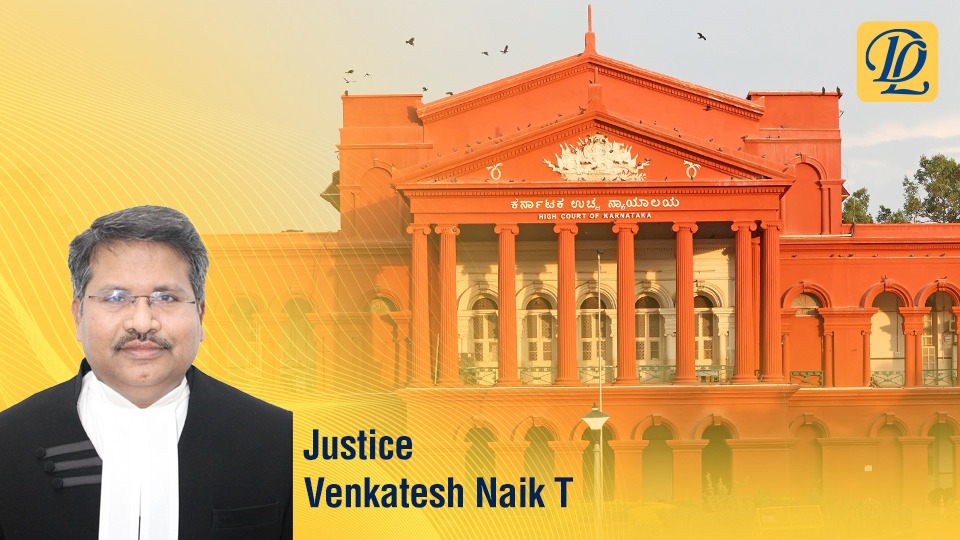
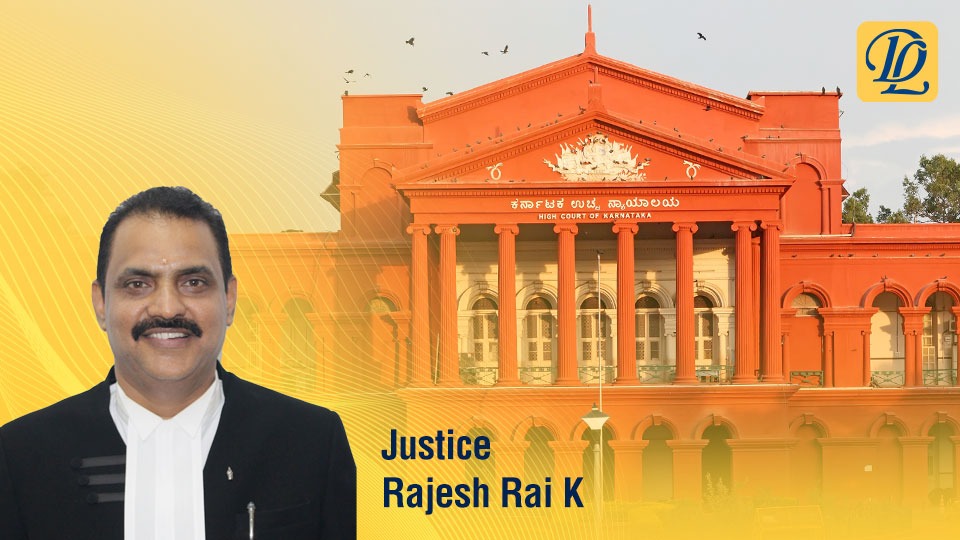
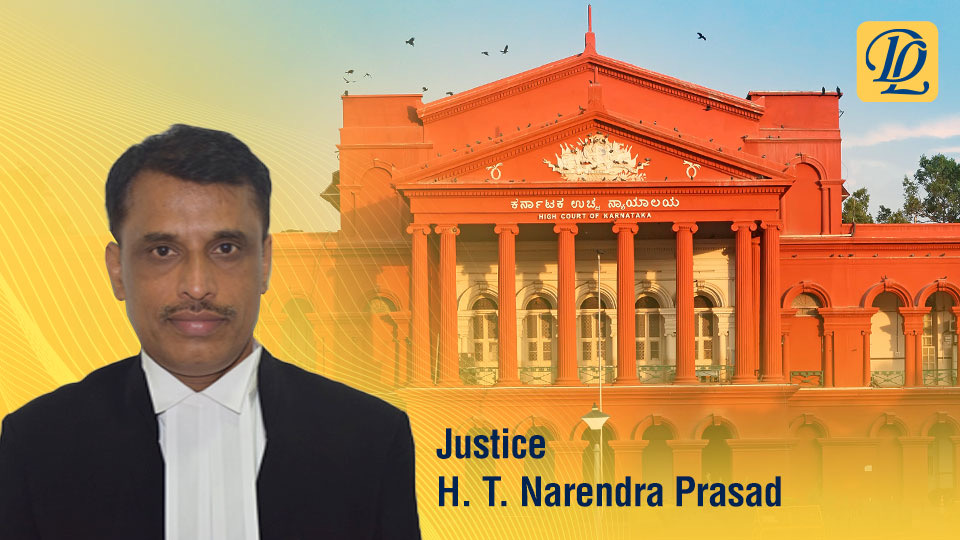


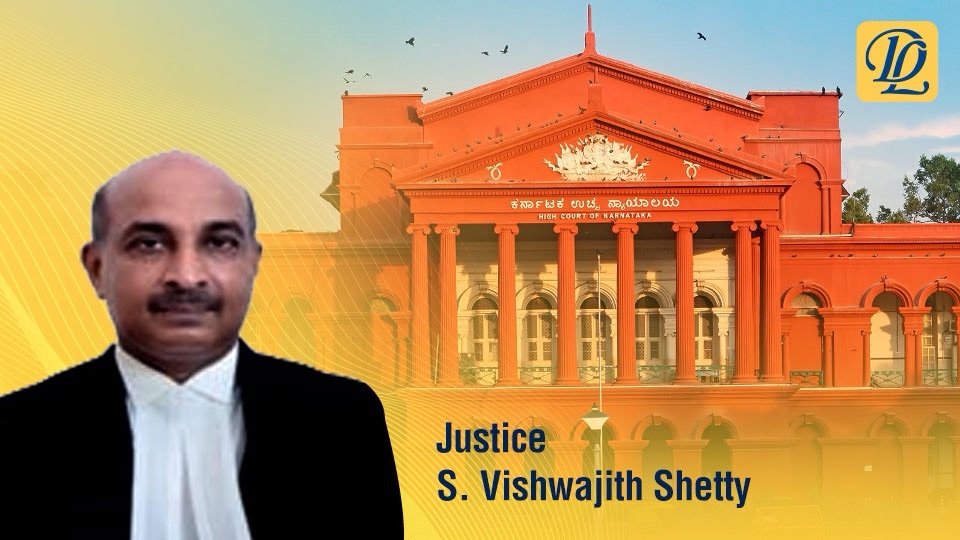
 Daksha Legal