ಪ0ಚಮಸಾಲಿ ಮೀಸಲಾತಿಗೆ ಅ0ತ್ಯ ಕಾಣಿಸಿದ ಸರ್ವೋಚ್ಚ ನ್ಯಾಯಾಲಯದ ತೀರ್ಪು.

“We shall overcome someday” (derived from Charles Tindley’s gospel song “I’ll Overcome Some Day” (1900). This is how the High Court of Karnataka and the State Government have sought to overcome the Covid19 Pandemic. In the last 400 days, there was not a single incident where emotions flared up, the Advocate General, Additional Advocates General, Government Advocates, Public Interest Litigants and their advocates have contributed in no small manner to this. The directions were comprehensive and painstaking, and there was systematic and meticulous monitoring by the Karnataka High Court. What is more, the proceedings were almost like interactive sessions between all stakeholders, resulting in best solutions being arrived at and implemented by complying with the directions issued.
1. These are difficult times. Judiciary, especially the high courts across the country, have been monitoring performance by the executive almost on day-to-day basis. The pressure on the bureaucrats, doctors and health workers is beyond human comprehension. Judiciary must interact with them in such way as to ensure adherence to statutory obligations by inspiring confidence.
2. Making ‘murderous’ charges, calling government as having failed, attributing disaster to executive will only worsen the situation
3. Let me extract two observations of the Karnataka High Court made on 18 May 2020 and 29 April 2021.
18:5:2020- “The State Government has failed to come out with a clear factual stand and the State is not willing to accept the errors committed by its officers. Though we are not passing any order today only on the ground that we need to spare time to deal with issues of marginalized sections of society, we hope that the State Government comes out with a fair stand on the subject”
29/04/2021 – “We have issued stringent directions from time to time against the State Government and the agencies and the instrumentalities of the State. While we do so, we must clarify that there are several Government officials, the officials attached to various agencies and the instrumentalities of the State including BBMP, the doctors, nurses and paramedical workers, who are rendering valuable services to the society at large which needs to appreciated by all. While we are passing various directions in the context of Article 21 of Constitution of India, we must record our appreciation to the efforts made by all the stakeholders in the right direction.”
4. This is how confidence is built. This is how the Court was able to monitor the situation for last one year without passing severe stricture which would destroy the psyche of those who are in front-line fighting the war.
5. Few observations and stern orders are extracted below.
23/03/2020 “As the Central Government and State Government have taken several steps in the right direction and as both the Governments are gradually initiating several steps, at this stage, we do not wish to pass any direction which will interfere with the steps already initiated by the Central Government and the State Government. The reason is that, advice of experts is available to the Central as well as the State Government.”
16/04/2020 “Accordingly, on 11th April, 2020, a Circular was issued by the Additional Chief Secretary containing directions to BBMP. The first and most important direction given to BBMP is in clause (1) of the Circular which directs that BBMP shall locate all migrants, homeless and stranded persons within its limits without shelter, migrants without any homes and to accommodate them in shelter homes to be provided by BBMP. It specifically records that action shall be taken forthwith. As regards the prisoners who have been granted bail but have not availed of the order of granting bail, the Secretaries of District Legal Services Authorities by visiting the prisons will inform such prisoners about their right to apply for relaxation of conditions of grant of bail and the Secretary and/or para-legal volunteers can render necessary assistance to the prisoners to enable them to apply for modification or relaxation of the conditions of bail. Such applications can be entertained by the Courts by hearing through video conference. As regards the issue of health and safety of Pourakarmikas, in paragraph 23, the State must come out with elaborate steps taken for health and safety. In respect of the Pourakarmikas, if the measures which have been set out in paragraph 23 are really implemented at grass-root level, most of the grievances of the Pourakarmikas will be taken care of. The Secretaries of the District Legal Services Authorities can give feedback on this aspect within a period of one week after ascertaining whether there is implementation of the measures set out in paragraph 23. The learned counsel for PUCL has also agreed to submit a report on what is stated in paragraph 23. This issue will be gone into when the petition is heard in the next week. While dealing with the issue of care of animals, the State has not come out with any policy decision on two issues. The first issue is whether pet shops are treated as a part of essential services and second issue is, whether the agencies or shops supplying pet foods are permitted to sell the pet foods as a part of essential supplies. The State must respond on these aspects on the next date. As regards the issue of farmers, though part of the compliance is dealt with in the submissions of the State, we propose to deal with the said issue on 9th April, 2020. The State has not stated anything about the supply of passes to the farmers and labourers to approach their fields. The issue regarding farmers will be considered on the next date. Another grievance which is made by him as well as by the learned counsel representing the Karnataka State Legal Services Authority (KSLSA) is that Hunger Helpline of the Government is not working and is ineffective. The State Government must immediately respond and make Hunger Helpline effective
21/04/2020. We also invited the attention of the learned Additional Advocate General to the incident occurred in the city day before yesterday. In the said incident, the doctors, nurses, health workers and ASHA workers were assaulted. The State Government will place on record the action taken report about the said incident. Now, coming to the issue of domestic violence, in paragraph 14, the State Government has come out with the measures taken and they have also given details of the calls received making a grievance regarding domestic violence. However, it is not clear whether after receiving the calls, the protection officers have been informed to take action under the statute. As far as the issue of migrants is concerned, the State will also ascertain whether the data received by the Regional Commissioner in the Karnataka Bhavan, New Delhi, from various States regarding migrant workers is being looked into for tracing migrant workers from other States who are in the State of Karnataka.
24/04/2020. While we say so, the State Government must clarify the stand whether in the present situation, the homeless people can be allowed to stay on streets. The reason is that if persons continue to stay on streets, there will be a violation of norms including the norms of social distancing. BBMP and the State Government must also disclose whether any effort is made to ascertain whether any of the persons staying on street are having the symptom of infection of corona virus.
28/04/2020. Learned Additional Advocate General will take instructions whether any machinery has been set up by the State Government at the grass root level, taluk level and district level in order to address the grievances of the farmers when it comes to the implementation of the guidelines of the Central Government and State Government. The learned Additional Advocate General states that he will respond by 4th May, 2020.
30/04/2020. Considering the fact that huge number of vehicles have been seized which are four wheelers, three wheelers and two wheelers, there is a great deal of urgency involved and therefore, we have acceded to the request made on behalf of the State Government to immediately take up the present IA.
05/05/2020 We are informed by the learned Additional Advocate General that free transportation is provided to the migrant workers by KSRTC buses within the State. The State Government will also specify whether the workers who are permitted to travel from one district to another are subjected to medical check up regarding symptoms of COVID-19.
08/05/2020. There has to be rational policy of the State Government laying down the manner in which all the migrant workers who wish to travel back to their home States can be allowed to travel back to their respective States. If some migrant workers who are residing far away from the capital city desire to go back to their respective States and all the procedural formalities with the other States are completed, it follows that necessary arrangements for operation of Shramik Special Trains from different stations will have to be made.
12/05/2020. The State will have to also address the issue of the facilities extended to the migrant workers who are from the State of Karnataka and who are working in other States. The State will also to place its response on record regarding the facilities extended to them for returning to the State which will include the payment of train fare. Necessary details such as requests received by the State of Karnataka, steps taken for repatriation of the migrant workers to Karnataka etc., shall be also placed on record.
18/05/2020. The State Government must state before the Court whether it wants to deviate from the stand taken by the Government of India on the issue of bearing the fare of the Railways and whether it really wants to take a stand that a migrant worker who has no income and is not in a position to pay Railway fare will not be allowed to travel by Shramik special trains to his home State.
21/05/2020 We request the learned Additional Solicitor General of India to take instruction from the Central Government and Railways on the question of waiver of train fare for the migrants who have been stranded in the State and who are not in a position to pay. The learned Additional Solicitor General will take instructions whether the State can be permitted to use the funds transferred by the National Disaster Response Fund for payment of train fare of the migrants who are not in a position to pay any amount.
26/05/2020. It will be appropriate if both the State Government and Central Government place on record the details of the arrangements which are made by the State Government as well as by the Indian Railways to provide food and water to the migrant workers who are traveling by Shramik special trains, which will take care of three meals a day. This is in the context of the fact that train journey to States like Uttar Pradesh, Bihar, West Bengal, Orissa takes two to three days.
28/05/2020. Though going by the stand taken by the State Government, arrangements are required to be made for transporting remaining 6,30,000 migrant workers and their family members to their respective States, as of today, the State has submitted requisition to the Railways to arrange 22 trains to the State of West Bengal from Bengaluru, 4 trains to Bihar from Bengaluru, one train to Assam from Mysuru and one train to Odisha from Koppal.
04/06/2020. The State must also explain how a migrant worker who is located in a district from which there is no arrangement for providing Shramik train can be reach the place from which Shramik train departs. In what manner transport arrangements are made must be placed on record.
11/06/2020 We, therefore, direct the State Government to ensure that a mechanism is evolved which will ensure that each and every migrant worker who has registered himself on Seva Sindhu portal is specifically informed about the requirement of reporting at the specific Mustering Centre and also the requirement of again registering himself in that Mustering Centre. Another prayer is made which is regarding regulating the price of Powered Air Purifying Respirators (PAPRs). Another issue which is noted in one of our earlier orders is regarding the action taken against persons who have indulged in hoarding of Personal Protection Equipment kits and N-95 masks.
18/06/2020 We direct both the State Government and the Central Government to file statement of objections/written submissions dealing with Interlocutory Application No.4 of 2020. The same shall be filed by 24th June, 2020 which will be considered on 25th June, 2020 in the afternoon session.
25/06/2020 The State Government must also come out clearly before the Court by stating whether the State wants to lend a helping hand to those migrant workers who wish to go back to their respective States who have registered themselves on Seva Sindhu portal, but due to various reasons, could not go back on or before 24th June, 2020. . We direct the Union of India to place on record the number of requisitions made by the State of Karnataka for running of Shramik special trains from 9th June, 2020 till date. The statement of the Union of India shall be placed on record on or before 1st July, 2020.
02/07/2020. It is pointed out across the Bar that the scheme of the Central Government known as ‘Atma Nirbhar Scheme’ under which a person who is not holding a ration card of any State is entitled to get free ration of 5 kgs Rice and 1 kg Dal has been continued till November 2020. The learned Additional Solicitor General of India stated that within three days, he will place necessary material on record to show whether the scheme has been continued. If the scheme has been continued, it is needless to state that the same will have to be implemented scrupulously in the State of Karnataka. The learned counsel appearing for the applicant states that a very serious situation has arisen in the containment zones. He stated that he has forwarded the list of about 900 families to the Bruhat Bengaluru Mahanagara Palike (for short ‘BBMP) as well as to the State Government. The said families which are residing in the containment zones are not getting food. He submitted that even the issue of health care of the people residing in the containment zones needs to be gone into.
07/07/2020. We direct BBMP to look into the grievance made by the applicant as regards the 900 families. BBMP must ensure that it performs its obligation of supplying food to the needy families in containment zones.
09/07/2020. We make it clear that the State Government must ensure that immediate action of identifying the needy people in the containment zones must start and the action of supplying food packets and ration to the needy persons in the containment zones shall be taken immediately. We have already observed that any violation will amount to violation of the fundamental rights of the citizens under Article 21 of the Constitution of India. We hope and trust that the State Government will reconsider its decision taken to close down the Mustering Centres and in effect, to stop extending the facility of payment of railway fare to the migrant workers considering the fact that the situation in terms of the spread of COVID-19 has been worsened during the last few days. If there is any change of approach and decision, the same shall be also informed to the Court on 13th July 2020.
13/07/2020. In the normal course, a Writ Court should be very slow in summoning senior Government officials before the Court. In this case, there is not only a complete failure, but there is a defiance on the part of BBMP of the provisions of the SOP contained in the Government circular dated 17th April 2020. We expected that the State will step in. Only way to ensure enforcement of SOP in the circular dated 17th April 2020 is now to procure the presence of the Additional Chief Secretary of the Urban Development Department and the Commissioner of BBMP through video conferencing.
16/07/2020. We are conscious of the fact that the machineries of the State and the machinery of BBMP are working under a great stress. What is important is that there should be earnest effort made to comply with the provisions of SOP issued by the State Government on 17th April 2020 and the order of BBMP itself of 19th April 2020. None of the affidavits filed by the Commissioner of BBMP indicate that there is any desire to take steps for complying with the provisions of SOP. If there was a genuine desire to do so, BBMP would have come out with an affidavit indicating how many needy persons have been so far identified.
20/07/2020. Apart from poura karmikas, the issue of house keeping staff and allied staff workers in COVID-19 hospitals has been raised. The issue raised is about the failure to provide appropriate PPE kits to house keeping and allied staff and making a provision for their well being.
06/08/2020. There cannot be any dispute that not only the doctors and health workers required use of N-95 masks but, as a safety measure, even a common man is required to use N-95 masks as it is said that N-95 masks works as a good protection against the spread of COVID-19. Therefore, the State Government will have to take a clear stand on oath before the Court firstly, on the question whether N-95 masks and hand sanitizers are available in the market and there are no complaints regarding non-availability of the same. Secondly, the State Government must also state what is the price variation of N-95 masks manufactured by different manufacturers. The State Government has purchased a large number of N-95 masks for the benefit of the doctors, health workers etc. The State Government must place on record the prices at which N-95 masks were acquired by it from time to time.
13/08/2020. As regards prayer ‘A’, the State Government will have to take a clear stand on one important issue. If a worker or an employee is forced to undergo quarantine on the ground that he is a primary contact or is forced to undergo quarantine because he is tested positive, whether the quarantine period or the period required for undergoing treatment for COVID-19 can be treated as the period spent on duty. Though sufficient time was granted on 6th August 2020 to the State Government to disclose the rates at which it has procured N95 masks and other items, even today, the learned AGA seeks time to comply with the said direction.
26/08/2020. Only by way of indulgence, we grant time to the State Government till 31st August 2020 to file an affidavit in this behalf. The State Government must come out with data regarding availability of the aforesaid items in the market at a reasonable price. Merely because few dealers have the stock available, it cannot be inferred that adequate stock is available in the market for the benefit of common man.
04/09/2020. As regards extending the benefit of PPE risk allowance to all the Pourakarmikas and other sanitization workers of the local authorities, even the written submissions filed today record that no decision has been taken by the State Government. Considering the object of providing PPE risk allowance of Rs.10,000/-, the decision of the State Government will have to be expeditiously taken, inasmuch as, those who are entitled to the benefit must get it immediately. We direct the State Government to take an appropriate decision in this behalf within a period of two (2) weeks from today.
09/09/2020. The submission of the learned counsel appearing for the petitioner is that the fifth respondent has not complied with its obligations under the provisions of the Contract Labour (Regulation and Abolition) Act, 1970 (for short, “the said Act of 1970”) and in particular Section 21 thereof. Sub-section (1) of Section 21 provides that the responsibility for payment of wages of each worker employed as a contract labour is of the contractor. 5. We, therefore, direct the fifth respondent to file an affidavit reporting compliance with the requirements of sub-section (2) of Section 21 of the said Act of 1970. We grant time of two weeks to the fifth respondent to file such an affidavit.
22/09/2020. The State Government will have to immediately take a call on activating the State Level Committee and the District Level Committees for ensuring that they perform their duties. The State Government must come out with a programme or scheme which will ensure that availability of adequate infrastructure and facilities in all the private COVID hospitals in the State is monitored regularly. Apart from the rights of the patients under Article 21 of the Constitution of India, there is some kind of a State funding to these hospitals. We direct the State Government to come with a concrete solution on this aspect by 28th September 2020.
29/09/2020. Now coming to the issue of providing amenities to pourakarmikas in the State and payment of wages…. It is the duty of BBMP to ensure that the nominated representatives submit reports to BBMP regularly and punctually about the payment of wages to the workers by the contractors. The State Government must ensure that all the ULBs comply with the provisions of the said Act of 1970. In this petition, the issue of availability of number of beds for treating the COVID-19 patients has been raised. We, therefore, direct the State Government to place on record an upto date District-wise data of number of beds available in the State-owned or privately-owned COVID-19 hospitals.
06/10/2020. As regards non-payment of wages to the drivers, it is stated in paragraph 7 that the Contractor has not made payments. On this aspect, the State Government is not helpless and the State Government can always issue directions to Hubli-Dharwad Municipal Corporation to ensure that overdue wages are paid to the drivers. The State Government to initiate appropriate action in this behalf immediately.
13/10/2020. The other issue is regarding the availability of number of beds for treating the COVID-19 patients in the State. This issue is of enormous importance considering the ever increasing number of positive cases in the State. Firstly, the State will have to place on record its policy decision or the order for reserving 50% of the beds in every private hospital for COVID-19 patients. Secondly, the State must also place on record its policy decision or order deciding the percentage of beds to be reserved for COVID-19 hospitals for free treatment.
20/10/2020. The State Government will also place on record whether there is any mechanism available for regulating the charges claimed by the Ambulance Service Providers for transporting COVID-19 patients. The State Government will respond on this aspect before the next date.
03/11/2020. Now coming to the issue of fixation of cost of transport of oxygen cylinders, in the compliance report, a copy of the Government Order dated 28th October 2020 has been placed on record. We have indicated to the learned AGA several major flaws in the said order and the possibility of the transporters or suppliers indulging in profiteering taking undue advantage of the flaws in the Government Order dated 28th October 2020. We direct the State Government to immediately reconsider the said order dated 28th October 2020 and ensure that a proper order is issued within a maximum period of one week from today which will ensure that there is a rationalized formula for fixing maximum transport charges and that no transporter or supplier of oxygen cylinders can indulge in profiteering. The State Government must report compliance by the next date.
10/11/2020. On the face of it, notwithstanding the closure of all schools run by the Local Bodies, the Government and Government aided schools, the State Government is bound by the mandate of clause (b) of sub-section (1) of Section 5 of the said Act of 2013. Now it is candidly admitted that from June 2020, mid-day meals have not been provided to children up to class VIII or children within the age group of 6 to 14 years as provided in clause (b) of sub-section (1) of Section 5 of the said Act of 2013. We have heard the learned counsel appearing for the parties on the implementation of mid-day meal scheme as well as the implementation of the scheme for providing food to the eligible beneficiaries through Anganwadies.
18/11/2020. The State Government must come out with a better response by filing fresh affidavits based on the discussion which took place across the Bar.
23/11/2020. The issue of supply of food through the Anganwadis will have to be dealt with in the light of the affidavit filed by Dr.Nagambika Devi, Additional Chief Secretary to Government, Department of Social Welfare.
15/12/2020. We direct the State Government to respond on one of the issues raised regarding long delay by the laboratories for issuing reports on the tests conducted of COVID-19. This issue needs to be addressed immediately by the State Government as approximately more than one lakh tests are being conducted in the State everyday except on Sunday. The State Government must respond on this limited aspect by 22nd December 2020.
22/12/2020. We, therefore, direct the second respondent to place on record along with a statement of objections the measures which are being taken by the second respondent for the benefit of thecleaning and sanitary workers engaged by it.
05/01/2021 The Central Government will have to explain how maternity benefit in terms of clause (b) of Section 4 of the said Act which is of less than the amount of Rs.6,000/- can be paid. The Central Government must clarify the position on or before the next date of hearing.
12/01/2021. At this stage, the learned counsel appearing for the petitioner pointed out that as regards the rates of treatment for COVID-19 patients in the private hospitals, though publicity is given by publishing the advertisements in the newspapers, it will be ideal if publicity is given by affixing the banners on the State Transport buses as can be seen from Annexure-R8 to the written submissions filed in the said writ petition. The said suggestion is worth considering. The State Government will consider this suggestion and issue appropriate directions.
16/02/2021. As both the Central Government and the State Government are represented before the Court, they must respond on the question whether any insurance scheme can be devised for the benefit of the members of the Bar.
02/03/2021. It will be appropriate if a meeting of the office bearers of the Bar Association, the State Government officials, Life Insurance Corporation of India Limited and four public sector insurance companies including New India Assurance Company Limited is convened to discuss the issue with a view to ascertain whether schemes can be evolved as discussed in the said decision of the Delhi High Court.
17/03/2021. The State Government will place on record the progress made in the matter of bringing an insurance scheme for the advocates before the next date by filing a memo.
25/03/2021. The other issue which the State will have to answer is about administration of COVID-19 vaccine. There are large number of citizens residing in slums and shanties which include the workers working on construction sites and various sites of infrastructural projects which are underway in the city of Bengaluru. The question is whether the State should make special efforts to persuade the citizens residing in thickly populated localities who are more vulnerable to the infection of COVID-19, to take vaccines. Perhaps, it will be a step in the right direction for curbing the spread of the infection of COVID-19. The State Government shall respond on this aspect on the next date. The steps taken by Bruhat Bengaluru Mahanagara Palike as observed in paragraph 15 of the order dated 17th March 2021 shall be also placed on record within a period of one week from today.
31/03/2021. We have heard the submissions of the learned Additional Solicitor General of India on implementation of clause (b) of Section 4 of the National Food Security Act, 2013 (for short ‘ the said Act of 2013’). On the next date, we will hear the submissions of the State of Karnataka on the question of the implementation of clause (b) of Section 4 of the said Act of 2013 in the State.
07/04/2021. A concern is expressed about the availability of adequate number of beds in the hospitals as well as in the Intensive Care Units. By the order dated 6th April, 2021, the State Government has reiterated its order dated 23rd June, 2020 concerning reservation of beds for COVID-19 patients and maximum charges which can be levied for COVID-19 treatment. We direct both the State Government and the Bruhat Bengaluru Mahanagara Palike to place on record the steps taken to implement the orders dated 23rd March, 2021 and 2nd April, 2021. The State Government at different levels in the State and BBMP in the city of Bengaluru, shall give a wide publicity about the measures to be taken by the common man and about all the helplines which are available at different levels.
17/04/2021. The written submissions record that there is no shortage of oxygen throughout the State. But, the State Government must consistently monitor the availability of adequate oxygen supply on an hourly basis. As noted in the earlier order, the failure to provide the test results within a reasonable time is creating several serious issues. We direct the State Government to enforce the said direction scrupulously and consider of taking an action against those laboratories which are not following the direction. Even in the case of oxygen, like Remdisivir medicine, the State Government will have to immediately consider of creating some sort of a distribution system by which the State itself distributes the oxygen by co-ordinating with the suppliers of the oxygen. The State Government shall ensure that the War Room set up for the said purpose operates effectively and the hospitals or patients are able to get in touch with the War Room so that in case of non-availability of oxygen and Remdesivir medicine, the same can be provided on a war footing. Another issue in the memo is that the Christian community is facing a serious crisis as in the city of Bengaluru and Mysore, there is no place left for burial of the dead bodies and in fact, a request has been made to civic body to allot five acres in the outskirts of the city.
22/04/2021 To avoid all controversy, the State Government shall immediately consider whether it can itself purchase the requisite quantity of Remdesivir medicine directly from the manufacturers or the dealers and supply the same to various hospitals both private and public in a fair and rational manner. The State Government shall take an immediate decision on this aspect.
23/04/2021. We direct the State Government to set up help desks outside the COVID hospitals in the City for helping the COVID-19 patients who cannot be admitted in that particular hospital. The help desks shall also provide information regarding the availability of Remdesivir medicine in the City.The State Government will also come out with the decision to purchase Remdesivir drug directly from the manufacturers so that the State Government can equitably distribute the same to various hospitals as per their demands.
27/04/2021. The State Government will place on record the availability of beds throughout the State and especially, in those districts where there are more than 5000 active COVID-19 cases as of today. Necessary data shall be placed on record by the State Government by day after tomorrow (29th April 2021). Even BBMP will place the latest data on record. As regards the availability of beds with the Army and Air Force in the City of Bengaluru, the learned Standing Counsel appearing for the Central Government states that the beds which are available in the City are occupied by the families of the Army and Air Force personnel and they are not in a position to provide extra beds. There is already a letter addressed by the Additional Chief Secretary to the Health and Family Welfare Department of the State Government to the Air Vice Marshal requesting him to make available beds for COVID-19 patients. We, therefore, direct the State Government to place on record on or before the next date, the steps taken to prepare a broad estimation of the number of beds required in near future and the steps taken to enhance the intake capacity of all the COVID-19 hospitals. Before we part this order, we must record a clarification. We have issued stringent directions from time to time against the State Government and the agencies and the instrumentalities of the State. While we do so, we must clarify that there are several Government officials, the officials attached to various agencies and the instrumentalities of the State including BBMP, the doctors, nurses and paramedical workers, who are rendering valuable services to the society at large which needs to appreciated by all. While we are passing various directions in the context of Article 21 of Constitution of India, we must record our appreciation to the efforts made by all the stakeholders in the right direction. Further directions issued regarding;
Availability of Covid-19 beds
Availability of Remdesivir
Availability of Oxygen
Issuance of food security and other issues
Other Issues.
S.Basavaraj, Advocate, Daksha Legal & Member, Karnataka State Bar Council.

ಎಸ್. ಬಸವರಾಜ್, ಹಿರಿಯ ವಕೀಲ ಹಾಗು ಸದಸ್ಯ, ಕರ್ನಾಟಕ ರಾಜ್ಯ ವಕೀಲರ ಪರಿಷತ್.

ಎಸ್. ಬಸವರಾಜ್, ವಕೀಲ ಹಾಗೂ ಸದಸ್ಯ, ಕರ್ನಾಟಕ ರಾಜ್ಯ ವಕೀಲರ ಪರಿಷತ್ತು.
ಶ್ರೀ. ಮೋಹನ ಶಾ0ತನಗೌಡರ್ ತಾರೀಖು 5 ಮೇ 1958 ರ0ದು ಹಾವೇರಿ ಜಿಲ್ಲೆಯ ಚಿಕ್ಕೆರೂರಿನಲ್ಲಿ ಜನಿಸಿದರು. ಧಾರವಾಡದಲ್ಲಿ ಕಾನೂನು ಪದವಿ ಗಳಿಸಿ ಶ್ರೀ. ಐ.ಜಿ. ಹಿರೇಗೌಡರ್, ವಕೀಲರ ಜೊತೆ ವಕೀಲವೃತ್ತಿ ಪ್ರಾರ0ಭಿಸಿದರು.
ಇವರ ತ0ದೆ ಶ್ರೀ. ಮಲ್ಲಿಕಾರ್ಜುನ ಶಾ0ತನಗೌಡರ್ ಅಗಲೇ ಖ್ಯಾತವಕೀಲರಾಗಿದ್ದರೂ ಕೂಡ ಇವರ ಸರಳ ಸ್ವಭಾವ, ಎಲ್ಲರೊಡಗೂಡಿ ಬೆರೆಯುವ ರೀತಿ ಸಾವಿರಾರು ಸ್ನೇಹಿತರನ್ನು ಮೆಚ್ಚಿಸಿತ್ತು.
ಕರ್ನಾಟಕ ನ್ಯಾಯಾಲಯದಲ್ಲಿ ವಕೀಲವೃತ್ತಿ ಪ್ರಾರ0ಭಿಸಲು ಆಗ ಖ್ಯಾತ ವಕೀಲರಾಗಿದ್ದ ಶ್ರೀ. ಶಿವರಾಜ್ ಪಾಟೀಲರ ಕಚೇರಿ ಸೇರಿದರು.
ಶ್ರೀ. ಶಾ0ತನಗೌಡರ್ ಸ್ವ0ತ ವಕೀಲವೃತ್ತಿ 1984 ರಲ್ಲಿ ಪ್ರಾರ0ಭಿಸಿದರು. ನಾನು 1988 ರಲ್ಲಿ ವಕೀಲವೃತ್ತಿ ಪ್ರಾ0ರ0ಭಿಸುವ ಹೊತ್ತಿಗೆ ಶ್ರೀ. ಶಾ0ತನಗೌಡರ್ ಆಗಲೇ ಬಹುದೊಡ್ಡ ಯಶಸ್ಸನ್ನು ಗಳಿಸಿ ಖ್ಯಾತ ವಕೀಲರಾಗಿದ್ದರು.
ಕರ್ನಾಟಕ ರಾಜ್ಯ ವಕೀಲರ ಪರಿಷತ್ತಿನ ಉಪಾದ್ಯಕ್ಷರಾಗಿ 1991 ರಿ0ದ 1993ರ ವರೆಗೆ, ನ0ತರ ಅಧ್ಯಕ್ಷರಾಗಿ 1995 ರಿ0ದ 1996 ರ ವರೆಗೆ ಶ್ರೀ.ಶಾ0ತನಗೌಡರ್ ಸೇವೆ ಸಲ್ಲಿಸಿದರು. ನ0ತರ 1999 ರಿ0ದ 2002 ರವರೆಗೆ ರಾಜ್ಯ ಸರ್ಕಾರದ ಪ್ರಾಸೀಕ್ಯೂಟರ್ ಆಗಿಯೂ ಕೆಲಸ ಸೇವೆ ಸಲ್ಲಿಸಿದರು.
2002 ರಲ್ಲಿ ಒ0ದು ಮಹತ್ತರವಾದ ವ್ಯಾಜ್ಯದಲ್ಲಿ ಯುವ ವಕೀಲರೊಬ್ಬರು ಬೇಕು ಎ0ದು ಬಹುರಾಷ್ಟ್ರೀಯ ಕ0ಪೆನಿಯ ವಕ್ತಾರ ಹಾಗೂ ಮು0ಬೈನ ಕಾನೂನು ಸಂಸ್ಥೆ ಠಕ್ಕರ್ & ಠಕ್ಕರ್ ಪಾಲುದಾರ ಶ್ರೀ. ಬಸವರಾಜ್ ಪಾಟೀಲ್ ರವರು ಶ್ರೀ.ಶಾ0ತನಗೌಡರ್ ಬಳಿ ವಿಚಾರಿಸಿದಾಗ ನನ್ನ ಹೆಸರು ಸೂಚಿಸುವ ಮೂಲಕ ನನ್ನ ವೃತ್ತಿಯ ದಿಕ್ಕನ್ನೇ ಶ್ರೀ. ಶಾ0ತನಗೌಡರ್ ಬದಲಾಯಿಸಿದರು. ಆ ಒ0ದು ವ್ಯಾಜ್ಯದಲ್ಲಿ ಗಳಿಸಿದ ಯಶಸ್ಸು ನನಗೆ ಹತ್ತಾರು ಬಹುರಾಷ್ಟ್ರೀಯ ಕ0ಪೆನಿಗಳ ಒಡನಾಟ, ಯಶಸ್ಸು, ಹಣ ತ0ದುಕೊಟ್ಟಿತು. ಶ್ರೀ. ಶಾ0ತನಗೌಡರ್ ರವರ ಈ ಕರುಣೆಗೆ ಜೀವನವಿಡೀ ಚಿರಋಣಿಯಾಗಿದ್ದೇನೆ.
ಶ್ರೀ. ಶಾ0ತನಗೌಡರ್ ಕರ್ನಾಟಕ ಉಚ್ಚನ್ಯಾಯಾಲಯದ ಹೆಚ್ಚುವರಿ ನ್ಯಾಯಾದೀಶರಾಗಿ 12 ಮೇ 2003 ರ0ದು ನೇಮಕಗೊ0ಡರು.
ನ0ತರ, ಕೇರಳ ಉಚ್ಚನ್ಯಾಯಾಲಯದ ಹ0ಗಾಮಿ ಮುಖ್ಯನ್ಯಾಯಾದೀಶರಾಗಿ 1 ಆಗಸ್ಟ್ 2016 ರ0ದು ನೇಮಕಗೊ0ಡು ತಾರೀಖು 22 ಸೆಪ್ಟೆ0ಬರ್ 2016 ರಲ್ಲಿ ಮುಖ್ಯನ್ಯಾಯಾದೀಶರಾಗಿ ನೇಮಕಗೂಂಡರು.
ಶ್ರೀ. ಶಾ0ತನಗೌಡರ್ 17 ಫ಼ೆಬ್ರವರಿ 2017 ರ0ದು ಭಾರತದ ಸರ್ವೋಚ್ಛನ್ಯಾಯಾಲಯದ ನ್ಯಾಯಾದೀಶರಾಗಿ ನೇಮಕಗೂಂಡರು.
ಬರೀ ಸ್ವಾರ್ಥವೇ ತು0ಬಿರುವ ಈ ಜೀವನಪರಿಯಲ್ಲಿ, ಶ್ರೀ. ಮೋಹನ ಶಾ0ತನಗೌಡರ್, ವಕೀಲರಾಗಿ ನೂರಾರು ಜನರಿಗೆ ಪ್ರತ್ಯಕ್ಷವಾಗಿಯೂ ಪರೋಕ್ಷವಾಗಿಯೂ ಸಹಾಯಮಾಡಿದರು.
ಬಯಲಲ್ಲಿ ಬಯಲಾದ ನ್ಯಾಯಮೂರ್ತಿ ಮೋಹನ ಶಾ0ತನಗೌಡರ್ ಹಲವರ ಬಾಳು ಬೆಳಗಿದ ನಿಜಶರಣ.
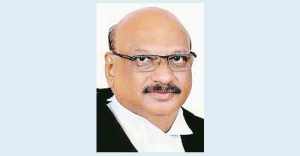
Mohan Katarki, Senior Advocate, Supreme Court.
I remember having met Shri. Mohan Shantanagoudar, for the first time at the porch of UCL, Dharwad. I was joining and he was leaving after completing the course to practice. The short introduction matured into good friendship in the later years when I joined the bar. However, we hardly had chance to meet after he became the judge of HC and later SC. But, whenever we met in social gatherings, he would affectionately talk in Mumbai Karnataka diction that too in the admirable singular.
Shri. Mohan Shantangoudar was born in a well to do landed family. However, as a son of a successful lawyer, he was quite urbanised in his outlook. His father donned a black cap and wore white dhoti with long shirt topped by a bandh gala black coat – a typical dress of a district court lawyer of bygone days in Karnataka and Maharashtra. Shantangoudar grew up in the idyllic setting of Dharwad and remained, till the end, a Dharwad boy. He had flair for mimicry.
Shantangoudar had few more years to retire from the SC after joining the grand collegium to recruit judges of HCs and SC. During his short stay in the SC, he earned the goodwill of the bar as a gentleman. He had started presiding over the bench and appeared poising for
meaningful contribution to the jurisprudence with his vast litigation experience. He didn’t allow being browbeaten. When he was part of the bench to hear inter State matter, senior counsel sought his recusal on the ground that he comes from Karnataka. He looked at him and
said smilingly – I was about to recuse myself but you didn’t wait for me to talk … if you insist, I will not recuse …!!!
There are several judgements to his credit. In Nandan Biomatrix he described figuratively the plight of farmers at the hands of corporate seed companies. He upheld rights of Nurses to inhouse hostel in Lilavati case. Shantangoudar didn’t find much time to be noticed in Supreme Court. He created a flutter within a year by erudite dissent in Indore Development Case which dealt with Section 24 of the new land acquisition law.
The untimely death of Shantangoudar is a great loss to legal fraternity, Dharwadians and family. My heartfelt condolences and prayers.
Mohan Katarki
Senior Advocate
Supreme Court of India
New Delhi
April 25, 202

ಎಸ್. ಬಸವರಾಜ್, ಸದಸ್ಯ, ಕರ್ನಾಟಕ ರಾಜ್ಯ ವಕೀಲರ ಪರಿಷತ್
ಇ0ದು ಹೆಚ್ಚಿನ ಜನ “ಡಾ. ಅ0ಬೇಡ್ಕರ್ ಸ0ವಿದಾನ ಬರೆದರು-ಜೈ ಭೀಮ್” ಅನ್ನುವ ಮೂಲಕ ಈ ದೇಶಕ್ಕೆ ಡಾ. ಅ0ಬೇಡ್ಕರ್ ರವರ ನಿಜವಾದ ಕೊಡುಗೆಯನ್ನು ಮರೆತಿದ್ದಾರೆ. ಡಾ. ಅ0ಬೇಡ್ಕರ್ ಪಾತ್ರವನ್ನು ಬರೀ ಸ0ವಿದಾನ ರಚನೆಗೆ ಮಾತ್ರ ಸೀಮೀತಗೋಳಿಸಿದರೆ ಅದು ಅವರು ಮಾಡಿದ ನಿಜವಾದ ಸಾದನೆಗೆ ಮಾಡುವ ಅವಮಾನ.
ಸ0ವಿದಾನ ರಚನಾ ಸಮಿತಿಗೆ ಡಾ: ಅ0ಬೇಡ್ಕರ್ ಅಧ್ಯಕ್ಷರಾದರೂ ಅವರಿಗೆ ಮಹಾನ್ ಬುದ್ದಿಜೀವಿಗಳಾದ ಶ್ರೀಯುತ ಅಲ್ಲಾಡಿ ಕೃಷ್ಣಸ್ವಾಮಿ ಅಯ್ಯರ್, ಎನ್. ಗೋಪಾಲಸ್ವಾಮಿ ಐಯ್ಯ0ಗಾರ್, ಕೆ.ಎಮ್. ಮುನ್ಶಿ, ಮೊಹಮ್ಮದ್ ಸಾದುಲ್ಲ, ಬಿ.ಎಲ್. ಮಿಟ್ಟರ್, ಡಿ.ಪೀ. ಖೈತಾನ್ ಅವರ ಸಹಾಯವಿತ್ತು. ಸಮಿತಿಯ ಕರ್ನಾಟಕದ ಹೆಮ್ಮೆ, ಶ್ರೀ. ಬಿ.ಎನ್.ರಾವ್ ಹಲವಾರು ದೇಶಗಳ ಸ0ವಿದಾನಗಳ ತಿರುಳನ್ನು ಕಲೆಹಾಕಿ ಒ0ದು ಕರಡು ಪ್ರತಿ ತಯಾರುಮಾಡಿದ್ದರಾದರೂ, ಇದನ್ನು ಭಾರತ ದೇಶದ ಸ0ವಿದಾನವಾಗಿ ರೂಪಾ0ತರಗೊಳಿಸುವ ಹೊಣೆ ಡಾ: ಅ0ಬೇಡ್ಕರ್ ಮತ್ತು ಇತರ ಸದಸ್ಯರ ಮೇಲೆ ಇತ್ತು. ಡಾ. ಅ0ಬೇಡ್ಕರ್ ಸ್ವತಹ ಸುಮಾರು 60 ದೇಶಗಳ ಸಂವಿಧಾನಗಳನ್ನು ಅಧ್ಯಯನ ಮಾಡಿದ್ದರು.
ಅಂಬೇಡ್ಕರ್ ರವರ ಮೇರುಸಾದನೆಯ0ದರೆ ಅ0ದಿನ ಲೋಕಸಭೆಯಲ್ಲಿ (Constituent Assembly) ಅದುವರೆಗೂ ಸಮಿತಿ ತಯಾರಿಸಿದ ಸ0ವಿದಾನವನ್ನು ಅತ್ಯ0ತ ಸಮರ್ಪಕವಾಗಿ ಪ್ರತಿಪಾದಿಸಿದ್ದು. ಈ ವಿಶಯದಲ್ಲಿ ಅಂಬೇಡ್ಕರ್ ಮಾಡಿದ ಸಾದನೆ ಬಹುಶ: ಯಾವ ಸ0ವಿದಾನ ತಜ್ಞನಿಗೂ ಸಾದ್ಯವಾಗಲಾರದು.
ಸ0ವಿದಾನದ ಎಲ್ಲಾ ಅನುಚ್ಚೇದಗಳು, ಭಾಗಗಳು, ಅನುಸೂಚಿಗಳನ್ನೂ ಪ್ರತಿಪಾದಿಸಿ ಸಬೆಯ ಪ್ರತಿ ಸದಸ್ಯರೂ ಕೇಳುವ ಪ್ರಶ್ನೆಗೆ ಉತ್ತರಿಸುವ ಜವಾಬ್ದಾರಿಯನ್ನು ನಿಭಾಯಿಸುವುದು ಸುಲಭದ ಮಾತಾಗಿರಲಿಲ್ಲ. ಅಂಬೇಡ್ಕರ್ ರವರನ್ನು ಈ ವಿಶಯದಲ್ಲಿ ಅಕ್ಷರಸಹ: ಅಗ್ನಿಪರೀಕ್ಷೆಗೆ ಒಳಪಡಿಸಲಾಯಿತು.
ಸುಮಾರು 299 ಸದಸ್ಯರಿದ್ದ ಲೋಕಸಭೆ Constituent Assembly ಮೂರು ವರ್ಷ, ಹನ್ನೊ0ದು ತಿ0ಗಳು, ಹದಿನೇಳು ದಿನಗಳ ಕಾಲ ಸ0ವಿದಾನದ ಬಗ್ಗೆ ತೀವ್ರ ಚರ್ಚೆ ಕೈಗೊ0ಡಿತು. 165 ದಿನಗಳಲ್ಲಿ 114 ದಿನಗಳನ್ನು ಸ0ವಿದಾನಕ್ಕೆ ಅ0ಕಿತಮಾಡುವ ವಿಶಯದಲ್ಲಿಯೇ ಚರ್ಚೆ ನಡೆಯಿತು.
7,635 ತಿದ್ದುಪಡಿಗಳನ್ನು ಸದಸ್ಯರು ಸೂಚಿಸಿದರು. ಇದರಲ್ಲಿ 2,473 ತಿದ್ದುಪಡಿಗಳನ್ನು ಅಳವಡಿಸಲಾಯಿತು. ಈ ಅಗ್ನಿಪರೀಕ್ಷೆಯ ಸಮಯದಲ್ಲಿ ಪ್ರತಿ ಸದಸ್ಯರು ಕೇಳುವ ಪ್ರಶ್ನೆ, ಅನುಮಾನ, ಸೂಚನೆಗಳಿಗೆ ಅತ್ಯ0ತ ಸಮ0ಜಸ ಉತ್ತರ ಕೊಡುವ ಜವಾಬ್ದಾರಿಯನ್ನು ಅ0ಬೇಡ್ಕರ್ ಹೊತ್ತರು. ಇಡೀ ಸದನಕ್ಕೆ ಸ0ವಿದಾನವನ್ನು ವ್ಯಾಖ್ಯಾನ ಮಾಡಿ ಎಲ್ಲ ಸದಸ್ಯರಿಗೂ ಒಪ್ಪುವ ರೀತಿಯಲ್ಲಿ ಸ0ವಿದಾನ ಪರಿಪೂರ್ಣತೆ ಒದಗಿಸಿದ್ದು ಅ0ಬೇಡ್ಕರ್ ರವರ ಅದ್ಬುತ ಸಾದನೆ.
ಅಂಬೇಡ್ಕರ್ ರವರ ಮತ್ತೊ0ದು ಮಹಾನ್ ಸಾದನೆಯೆ0ದರೆ ಹಿ0ದೂ ಕೋಡ್ ಮುಖಾ0ತರ ಹೆಣ್ಣುಮಕ್ಕಳಿಗೆ ಸಮಾನ ಹಕ್ಕು ಕೊಡಿಸುವ ಕಾನೂನನ್ನು ಜಾರಿಗೆ ತರುವ ಪ್ರಯತ್ನ ಮಾಡಿದ್ದು. 2005 ರಲ್ಲಿ ಮಾಡಿದ ಕಾನೂನನ್ನು 1952ರಲ್ಲಿಯೇ ಪ್ರತಿಪಾದಿಸಿದರು. ಆದರೆ ಇದು ಕಾನೂನಾಗಿ ಜಾರಿಗೊಳಿಸಲು ವಿಫಲರಾದಾಗ ಅಂಬೇಡ್ಕರ್ ರಾಜೀನಾಮೆ ಕೊಟ್ಟರು.
ಅಂಬೇಡ್ಕರ್ ರವರ ಸಾದನೆ ಕೇವಲ ಸ0ವಿದಾನ ರಚನೆಗೆ ಸೀಮೀತವಾಗಬಾರದು. ಸ0ವಿದಾನ ರಚನೆಯ ನ0ತರದ ಅವರ ಸಾದನೆ ಎಲ್ಲರಿಗೂ ಸ್ಪೂರ್ತಿಯಾಗಬೇಕು.
S. Basavaraj, Advocate and Member, Karnataka State Bar Council, Bengaluru.
The High Court of Karnataka has developed the facility, inter alia, to know the current case being heard in a Court Hall through Cell phone SMS messages for the benefit of the lawyers and litigant public.
How to know current case being heard in a Court Hall of Karnataka High Court? : The user has to create a message with the following text: KARHCDB. This message has to be sent to the Mobile Number: 9731979899 can be B , D or G where B- Bangalore , D- Dharwad ,G – Gulbarga.
For example, to know the ongoing serial number in Court hall 5 of Bangalore bench send message KARHCDB B 5 to 9731979899
To know the ongoing serial number in Court hall 5 of Dharwad bench send message KARHCDB D 5 to 9731979899
To know the ongoing serial number in Court hall 5 of Gulburga bench send message KARHCDB G 5 to 9731979899
S.Basavaraj, Advocate and Member, Karnataka State Bar Council, Bengaluru.
The High Court of Karnataka has developed the facility to know the status of the case filed in the High Court and its Circuit Benches, status of the Application filed for Certified Copy of the Orders and Judgments and the current case being heard in a Court Hall through Cell phone SMS messages for the benefit of the litigant public.
The procedure for getting information through SMS is as below.
The user has to create a message with the following text : KARHCCS This message has to be sent to the Mobile Number: 9731979899 Here should be 4 digit can be B , D or G where B- Bangalore , D- Dharwad, G – Gulbarga
For example, if your case is Writ Petition 123 of 2021 and the same is pending in Bangalore bench of Karnataka High Court, you need to send message KARHCCS WP 123 2021 B to 9731979899
If the case is pending in Dharwad bench, then the message shall be KARHCCS WP 123 2021 D to 9731979899
If the case is pending in Gulburga bench, then the message shall be KARHCCS WP 123 2021 G to 9731979899
You will get immediate response.
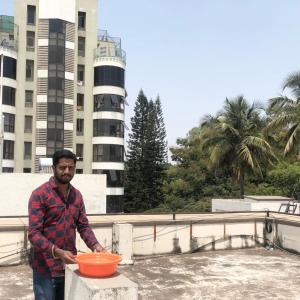
Keep water for birds on your terrace. From my office terrace, I can only see concrete jungle amidst scorching sun.
This universe is 13.8 billion years old (1380,00,00,000 years i.e. One Thousand Three Hundred Eighty Crores years).
Our Earth is 4.5 billion years old i.e. 450,00,00,000 i.e. Four Hundred Fifty Crores years.
Humans entered the picture just six million years (60,000,00 i.e. Sixty Lakhs years ago).
The first modern humans began moving outside of Africa starting about 70,000-100,000 years ago.
We allowed ourselves to evolve, build tools, create civilizations, adapt to our environment, and become the humans we are today.
If we take the life of Universe as a year, we entered the scenario on 31st December almost at midnight!. Yet, we conquered the Earth and ruined it beyond comprehension.
We have absolutely no regards for the species that ruled the mother earth before we trespassed into their territory. Today, we have nuclear ammunition which can destroy all the living creatures including ourselves eight times.! This is bound to happen in another 50,00,000 years. But the Earth survives and evolves again with new species, maybe, in another 100 crores years.
The last Dodo bird was killed in 1681 and the entire Dodo bird species is gone forever. Sudan, a 45-year-old northern white rhino – the final male of his subspecies in existence on the earth, died last year. With him dies millions of years of unique evolutionary biology which will never be repeated.
Let’s not forget this Earth belongs to all. Let’s not behave as if the Mother Earth was waiting for humans to, evolve, conquer and ravish her beyond recognition.
Lets save whatever species that are left on Earth. Let us start from today.
S.Basavaraj, Daksha Legal

R.D.Vijay Anand vs The Secretary, The Bar Council of Tamil Nadu and Puducherry. Writ Petition 29258 of 2013 decided on 21 November 2013. Justice K.K. Sasidharan
Full Judgment:
1. Whether the State Bar Council is vested with the power to suspend an Advocate on its rolls from practising the profession of law pending disposal of suo-motu disciplinary proceedings taken by the Bar Council of Tamil Nadu is the core issue that arises for consideration in this writ petition at the instance of a lawyer from Coimbatore, who was suspended, as an interim measure for passing an illegal arbitration award without authority.
Brief facts:
2. The petitioner was enrolled as an Advocate on the Rolls of the Bar Council of Tamil Nadu on 20 December 2002 (Enrollment No. 2115 of 2002). The petitioner is a member of Coimbatore Bar. The petitioner is stated to be a busy legal practitioner in Civil, Criminal and other branches of law.
3. While so, the petitioner received a notice dated 15 October 2013 from the Bar Council of Tamil Nadu to show cause as to why proceedings under Section 35 of the Advocates Act 1961 should not be taken against him for professional misconduct. The show cause notice was followed by an interim order of suspension dated 17 October 2013 pending disposal of the disciplinary proceedings.
4. According to the petitioner, the Bar Council of Tamil Nadu (hereinafter referred to as ‘Bar Council’) in its resolution and notices indicated that he illegally acted as an arbitrator and passed an award dated 16 October 2008. It was the contention of the petitioner that the award was passed only by Mr. R. Vijay Anand, Advocate and as such, Bar Council was not correct in taking action against him.
5. The Bar Council in its counter affidavit contended that several complaints were received from Coimbatore with regard to the functioning of certain Advocates as Arbitral Tribunals, calling people to appear without any authority, passing awards, and executing such awards by various means. The Bar Council took suo motu proceedings against five advocates including the petitioner. Since the Bar Council is of the view that public interest would suffer in case those Advocates are allowed to practice pending disposal of disciplinary proceedings, they were suspended. Accordingly Bar Council justified the impugned order.
Submissions:
6. The learned counsel for the petitioner contended that the compliant preferred by the Coimbatore Bar Association and the award dated 16 October 2008 contain the name of Sri. R. Vijay Anand, Advocate. The petitioner is R.D. Vijay Anand and he is a very busy legal practitioner and a very successful defence lawyer. The petitioner used to send atleast five sessions cases every week to his counter part at Madras High Court. Such a famous lawyer would not indulge in holding illegal arbitration proceedings. The learned counsel further contended that the Bar Council has no right to suspend a lawyer from practice pending initiation of disciplinary proceedings.
7. The learned Standing Counsel for Bar Council by producing the file, the award and acknowledgement card which contain the signature of the petitioner submitted that the signature in the acknowledgement card and the signature in the award are one and the same. The Enrollment papers also contain the very same signature. Therefore it is clear that R. Vijay Anand is none other then the petitioner. According to the learned counsel, the Bar Council possess the inherent power to suspend the Advocates pending disposal of disciplinary proceedings.
Analysis:
8. The petitioner challenges the interim order of suspension primarily on the ground that the Bar Council has no power under the Advocates Act to suspend a legal practitioner pending disposal of proceedings for misconduct. The other contention relates to the identity of the person involved in the misconduct.
9. The Coimbatore Bar Association preferred a complaint dated 27 August 2013 to the Bar Council stating that Thiru P.R. Shanmgam and eight others including the petitioner are conducting illegal arbitral proceedings. The Bar Council on a careful consideration of the complaint resolved to initiate disciplinary proceedings against the concerned advocates. Since the Bar Council wanted these advocates not to do the very same illegal activities pending disposal of proceedings for misconduct, passed an interim order of suspension.
10. The petitioner is one among such Advocates. According to the Bar Council, in the interest of public and in order to maintain dignity, decorum and to uphold the professional etiquette of the legal profession, the Council took this decision invoking the power under Section 6(1)(d) of the Advocates Act, 1961.
Identity of the author of award:
11. According to the petitioner, he is R.D. Vijay Anand and he has nothing to do with the illegal award passed by R. Vijay Anand. The contention would be attractive at first blush. However, its fallacy would be proved by a mere comparison of the signature of the arbitrator as found in the award and the admitted signature of the petitioner in the acknowledgement card evidencing service of suspension order and his application for enrolment.
12. We are now concerned only with the prima facie case. In case the available materials prima facie indicates the role of the petitioner as the author of the illegal award, the same would be sufficient to initiate disciplinary proceedings. It is open to the Advocate to produce materials to prove his defense that it was the work of another Advocate and he was not responsible for such illegal Act. Merely because the award contain the name of R. Vijay Anand and the complaint of Bar Association, Coimbatore also refers to the name of R. Vijay Anand, it cannot be said it was made only by another lawyer. The Coimbatore Bar Association referred to the names of advocates on the basis of the names contained in the respective awards.
13. The leader of the parallel court is stated to be one Thiru Shanmugam. He adopted a modus operandi of conducing parallel courts and arbitral proceedings by adopting the name “P.R. Shanmugam” not withstanding the fact that the name recorded in his enrolment certificate was R. Shanmugam. In the subject case, the Bar Council has taken up a contention that though the name of the petitioner is R.D. Vijay Anand, in order to appear as if the author of the award is a different person, he has put it in the name of R. Vijay Anand. This contention appears to be prima facie correct on account of the documents produced by the Bar Council.
14. The petitioner was suspended on 17 October 2013. The very fact that the Coimbatore Bar supported this move and the further fact that not even a single lawyer from Coimbatore has so far expressed protest on the ground of action being taken against an innocent lawyer also supports the prima facie finding recorded by the Bar Council.
15. The available materials are sufficient to arrive at a prima facie finding that it was only the petitioner, who was instrumental in making the illegal award without any authority. Therefore, I reject the contention with regard to identity.
Power of the Bar Council to order interim suspension:
16. The substantial question raised in the writ petition relates to the authority of the Bar Council to order interim suspension pending disposal of disciplinary proceedings.
17. The Bar Council of India and State Bar Councils are statutory bodies entrusted with the task of safeguarding the rights, privileges and interest of the Advocates. These Apex bodies are equally concerned with the professional conduct of the legal practitioners. The legal profession???d as a noble profession, ordains a very high level of ethics, moral standard and ??? life. The legal profession plays a ??? the administration of justice. The Lawyers act as a catalyst. The lawyer owes ??? to the Court, to his client and even ??? his opponent while discharging his role. The Advocate acts both as an officer of court as well as an ambassador of his client.
The Statute:
18. The Advocates Act contains detailed provisions dealing with the functions, powers and duties of the Bar Council of India and the State Bar Councils. The State Bar Council constituted under Section 3 of the Advocates Act is a body corporate.
19. Section 6 of the Act indicates the functions of Bar Councils. It reads as under: Functions of the State Bar Councils:—
(1) The functions of the State Bar Councils shall be-
(a) to admit persons as advocates on its roll;
(b) to prepare and maintain such roll;
(c) to entertain and determine cases of misconduct against advocates on its roll;
(d) to safeguard the rights, privileges and interests of advocates on its roll;
{(dd) to promote the growth of Bar Associations for the purposes of effective implementation of the welfare schemes referred to in clause (a) of sub-section (2) of this section and clause (a) of sub-section (2) of section 7;)
(e) to promote and support law reforms;
(f) {(ee) to conduct seminars and organise talks on legal topics by eminent jurists and publish journals and paper of legal interest; (eee) to organise legal aid to the poor in the prescribed manner;)
(f) to manage and invest the funds of the Bar Council;
(g) to provide for the election of its members;
{(gg) to visit and inspect Universities in accordance with the directions given under clause (i) of sub-section (1) of Section 7;)
(h) to perform all other functions conferred on it by or under this Act;
(i) to do all other things necessary for discharging the aforesaid functions.”
20. Section 9 provides for constitution of disciplinary committee.
21. Chapter V deals with conduct of Advocates. Section 35 provides for the reference of complaints against Advocates to the disciplinary committee.
22. The disciplinary committee of the Bar Council initiates proceedings for misconduct upon a reference by the State Bar Council. The Bar Council on receipt of a complaint must examine the complaint to decide as to whether a prima facie case of misconduct has been made out to refer the matter to the disciplinary committee. It is only for this purpose the Bar Council issues notice to the concerned Advocate on receipt of a complaint alleging professional misconduct. The Bar Council on receipt of the reply from the Advocate is expected to function as the Screening Authority and only those cases certified by the Council to be of worth reference alone will be forwarded to the Disciplinary committee.
23. The question therefore is, while taking a decision to refer a complaint to the disciplinary committee for initiating disciplinary proceedings, whether it is open to the Bar Council to pass an interim order of suspension.
24. Section 2(1)(a) defines “Advocate” as an Advocate entered in any roll under the provisions of Advocates Act.
25. The registration before the Bar Council is a mandatory requirement for practising the profession of law. The incidental question is whether the authority empowered to register an Advocate and permit him to practice, got the right to suspend him from practice, pending disciplinary proceedings.
26. Section 6(1)(c) enjoins the State Bar Councils to entertain and determine cases of misconduct against Advocates. Similarly Section 6(1)(i) of the Act enables the Bar Councils to do all other things necessary for discharging the aforesaid functions. Since the Bar Council is the authority to register the Advocates and to maintain their rolls, Section 6 has to be read as the power of the State Bar Council, rather than functions. When it is clear that the Bar Council can entertain complaints and determine cases of misconduct against Advocates on its roll and the incidental right to do all other things necessary for discharging the functions, it is essentially a power and not a function alone. Power to appoint – includes power to suspend/dismiss:
27. Section 16 of the General clauses Act provides that the power to appoint would include the power to suspend or dismiss. The issue whether Section 16 as such would apply to a Bar Council or the Advocates registering their names on the rolls of the council are larger questions, but the General Doctrine underlying this provision can very well be made applicable to a case of this nature. The power to pass an interim order of suspension pending disposal of disciplinary proceedings therefore is a necessary adjunct of the power of registration of an Advocate on the rolls of the Bar Council, which is a pre-requirement for practising law.
28. The complaint received by the Bar Council after initiation, scrutiny and examination, if found to be of substance would be referred to the disciplinary committee. The maximum time for disposal of complaint by the disciplinary committee is indicated as one year. Then there is a provision for appeal to the Bar Council of India under Section 37 of the Act. The order passed by the Bar Council of India is appealable before the Supreme Court under Section 38 of the Act. The power to stay the order passed by the Disciplinary committee is given initially to the Disciplinary Committee and thereafter to the appellate authority. This is often a time consuming process. Even though the Bar Council has found a prima facie case of professional misconduct for the purpose of reference to the Disciplinary Committee, the punishment would come only after the disposal of the appellate proceedings under Section 37 or 38 of the Act.
29. The difficulty would arise in case the Bar Council is of the view that it would not be in public interest to permit the Advocate to practice during the currency of statutory proceedings before the Disciplinary Committee, as otherwise it would adversely affect the dignity, decorum and professional ethics. It is not possible to entertain an argument that the State Bar Council has no power to order interim suspension in such grave cases and should await the ultimate finding given by the disciplinary committee. The parliament while giving disciplinary powers to the Bar Council and Bar Council of India appears to have not contemplated such a helpless situation.
30. The provisions of a statute must be given meaningful interpretation. It is true that courts cannot add something to the statute which was not contemplated by the legislature. However, the approach should be to give a workable interpretation to translate the wishes of the legislature into action.
31. There is no dispute that a law student after graduation is entitled to practice the profession of law on the strength of his enrollment and registration on the rolls of the Bar Council of the State. The only authority empowered under the Advocates Act, 1961 to grant the licence to practice the profession of law is the State Bar Council. The power to revoke the licence permanently or to suspend it for a prescribed period vests in the statutory body. This power would also include, in appropriate cases, to suspend the practice pending disposal of a complaint referred to the disciplinary authority of the concerned Bar Council.
Decisions of Supreme Court in relation to legal profession:
32. The role of Bar Council to preserve the purity and dignity of legal profession was indicated by the Supreme Court in Bar Council of Maharashtra v. M.V. Dabholkar, (1975) 2 SCC 702. The Supreme Court observed that the role of Bar Council under the Advocates Act is comparable to the role of a guardian in professional ethics.
“30. The interest of the Bar Council is to uphold standards of professional conduct and etiquette in the profession, which is founded upon integrity and mutual trust. The Bar Council acts as the custodian of the high traditions of the noble profession. The grievance of the Bar Council is to be looked at purely from the point of view of standards of professional conduct and etiquette. If any decision of the Disciplinary Committee of the Bar Council of India is according to the State Bar Council such as will lower the standards and imperil the high traditions and values in the profession, the State Bar Council is an aggrieved person to safeguard the interests of the public, the interests of the profession and the interests of the Bar.”
33. The Supreme Court in Bar Assn. v. Union of India, (1998) 4 SCC 409, indicated the exclusive jurisdiction of Bar Council to suspend the licence to practice.
“71. Thus, after the coming into force of the Advocates Act, 1961 with effect from 19-5-1961, matters connected with the enrolment of advocates as also their punishment for professional misconduct is governed by the provisions of that Act only. Since, the jurisdiction to grant licence to a law graduate to practise as an advocate vests exclusively in the Bar Council of the State concerned, the jurisdiction to suspend his licence for a specified term or to revoke it also vests in the same body.”
34. Mr Justice V.R. Krishna Iyer in His Lordship’s concurring judgement in M.V. Dabholkar observed:
“52. The Bar is not a private guild, like that of ‘barbers, butchers and candlestick-makers’ but, by bold contrast, a public institution committed to public justice and pro bono publico service. The grant of a monopoly licence to practice law is based on three assumptions: (1) There is a socially useful function for the lawyer to perform, (2) The lawyer is a professional person who will perform that function, and (3) His performance as a professional person is regulated by himself not more formally, by the profession as a whole. The central function that the legal profession must perform is nothing less than the administration of justice.”
35. In M.V. Dabholkar, while interpreting the word “person aggrieved” the Supreme Court observed.
“31. The Bar Council is ‘a person aggrieved’ for these reasons. First, the words ‘person aggrieved’ in the Act are of wide import in the context of the purpose and provisions of the statute. In disciplinary proceedings before the Disciplinary Committee there is no Us and there are no parties. Therefore, the word ‘person’ will embrace the Bar Council which represents the Bar of the State. Second, the Bar Council is ‘a person aggrieved’ because it represents the collective conscience of the standards of professional conduct and etiquette. The Bar Council acts as the protector of the purity and dignity of the profession. Third, the function of the Bar Council in entertaining complaints against advocates is when the Bar Council has reasonable belief that there is a prima facie case of misconduct that a Disciplinary Committee is entrusted with such inquiry. Once an inquiry starts, the Bar Council has no control over its decision. The Bar Council may entrust it to another Disciplinary Committee or the Bar Council may make a report to the Bar Council of India. This indicates that the Bar Council is all the time interested in the proceedings for the vindication of discipline, dignity and decorum of the profession. Fourth, a decision of a Disciplinary Committee can only be corrected by appeals as provided under the Act. When the Bar Council initiates proceedings by referring cases of misconduct to Disciplinary Committee, the Bar Council in the performance of its functions under the Act is interested in the ‘task of seeing that the advocates’ maintain the proper standards and etiquette of the profession. Fifth, the Bar Council is vitally’ concerned with the decision in the context of the functions of the Bar Council. The Bar Council will have a grievance if the decision prejudices the maintenance of standards of professional conduct and ethics.”
36. In Bar Council of Maharashtra v. M.V. Dabholkar, (1976) 2 SCC 291 Mr. Justice V.R. Krishna Iyer, speaking for the four judges Bench observed:
“15. Now to the legal issue bearing on canons of professional conduct. The rule of law cannot be built on the ruins of democracy, for where law ends tyranny begins. If such be the keynote thought for the very survival of our Republic, the integral bond between the lawyer and the public is unbreakable. And the vital role of the lawyer depends upon his probity and professional lifestyle. Be it remembered that the central function of the legal profession is to promote the administration of justice. If the practice of law is thus a public utility of great implications and a monopoly is statutorily granted by the nation, it obligates the lawyer to observe scrupulously those norms which make him worthy of the confidence of the community in him as a vehicle of justice – social justice. The Bar cannot behave with doubtful scruples or strive to thrive on litigation. Canons of conduct cannot be crystallised into rigid rules but felt by the collective conscience of the practitioners as right.”
37. The Supreme Court in R.K. Anand v. Delhi High Court, (2009) 8 SCC 106, while expressing the hope that Bar Council will sit up and pay proper attention to the restoration of the high professional standards among lawyers worthy of their position in the judicial system and in the society observed:
“333. We express our concern on the falling professional norms among the lawyers with considerable pain because we strongly feel that unless the trend is immediately arrested and reversed, it will have very deleterious consequences for the administration of justice in the country. No judicial system in a democratic society can work satisfactorily unless it is supported by a Bar that enjoys the unqualified trust and confidence of the people, that shares the aspirations, hopes and the ideals of the people and whose members are monetarily accessible and affordable to the people.” 38. The Supreme Court in R.K. Anand recognised the power of courts to prohibit an Advocate convicted of criminal contempt, from appearing in Court for a specified period. The Supreme Court held:
“238 We may respectfully add that in a given case a direction disallowing an advocate who is convicted of criminal contempt from appearing in court may not only be a measure to maintain the dignity and orderly functioning of the courts but may become necessary for the self-protection of the court and for preservation of the purity of court proceedings. Let us, for example, take the case where an advocate is shown to have accepted money in the name of a judge or on the pretext of influencing him; or where an advocate is found tampering with the court’s record; or where an advocate is found actively taking part in faking court orders (fake bail orders are not unknown in several High Courts!); or where an advocate has made it into a practice to browbeat and abuse judges and on that basis has earned the reputation to get a case transferred from an ‘inconvenient’ court; or where an advocate is found to be in the habit of sending unfounded and unsubstantiated allegation petitions against judicial officers and judges to the superior courts. Unfortunately these examples are not from imagination. These things are happening more frequently than we care to acknowledge.
239. We may also add that these illustrations are not exhaustive but there may be other ways in which a malefactor’s conduct and actions may pose a real and imminent threat to the purity of court proceedings, cardinal to any court’s functioning, apart from constituting a substantive offence and contempt of court and professional misconduct. In such a situation the court does not only have the right but it also has the obligation cast upon it to protect itself and save the purity of its proceedings from being polluted in any way and to that end bar the malefactor from appearing before the courts for an appropriate period of time.”
Note of caution – Interim suspension should be in rarest of rare cases.
39. The power to suspend the Advocate pending initiation and disposal of disciplinary proceedings must be in larger public interest. There should be an overwhelming public interest in such cases. The Bar Council must arrive at a clear finding that permitting the Advocate who is accused of a grave misconduct, pending disciplinary proceedings would seriously affect the dignity and decorum of the profession. The order should contain adequate materials justified such suspension. The interim suspension must be an exceptional action on account of the exigency of situation and gravity of the misconduct. There should be primary materials warranting such extreme action. It should not be as a matter of course. The interim suspension should therefore be in rarest of rare cases. The Bar Council in such cases must ensure disposal of disciplinary proceedings within the statutory period. The prolonged suspension without showing any progress in the disciplinary proceedings would give a cause of action to the Advocate to challenge the action.
40. The next question is whether the allegations against the petitioner would be sufficient to suspend him temporarily pending disposal of the disciplinary proceedings.
41. The proceedings of the meeting of the Bar Council of Tamil Nadu and Puducherry held on 5 October 2013 contain the basic materials constituting the grave charges and the circumstances under which the Bar Council has taken a decision to restrain five Advocates including the petitioner from practising the profession of law till the disposal of suo motu disciplinary proceedings initiated against them.
42. The string of materials available on record would make the position very clear that the petitioner along with other Advocates indulged in illegal and unethical practices and their actions tarnished the image of this noble profession. Those materials are sufficient to pass an order of interim suspension pending disposal of disciplinary proceedings for misconduct. The disciplinary committee must take earnest efforts to dispose of the suo motu disciplinary proceedings, as expeditiously as possible, uninfluenced by the above observation based on tentative findings and prima facie case.
Conclusion:
43. Therefore I hold that the power of Bar Council to revoke the licence to practice permanently or suspend it for a fixed term would include the incidental power of interim suspension pending disposal of disciplinary proceedings for misconduct.
44. In the upshot, I dismiss the writ petition. Consequently, the connected MP is closed. No costs.

 Daksha Legal