Featured

Dying Declaration anatomised- “Death waiting at the doorsteps gives a unique serenity to the mind compelling the maker to state nothing but the truth.” – Karnataka High Court. 4:9:2020

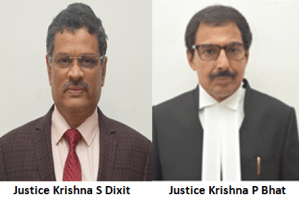
Beerappa vs The State through Town P.S. Yadgiri. Criminal Appeal 200036/2015 decided on 4 September 2020. Justice Krishna S Dixit and Justice Krishna P Bhat. (author, Justice Krishna P Bhat).

Judgment Link: http://judgmenthck.kar.nic.in/judgmentsdsp/bitstream/123456789/338981/1/CRLA200036-15-04-09-2020.pdf

What is a dying declaration? It is vain on our part to attempt to define the term, for, it ought to remain undefined and the exercise of characterizing it as such and investing it with probative sanctity, to some extent, must essentially remain an exercise particular to each case. It has, paradoxically, an undying quality about it. It is not a declaration when made; but it has all the solemnity attached to a declaration once the maker dies subject to what is stated in Section 32 (l) of Evidence Act; and the construction put on it in Laxman’s case (supra) and various other authorities. Why is this solemnity attached when the maker is not available to be cross- examined? Does it not seem illogical? Probably, yes. Experience acquired over centuries due to eternal conflict between human nature –  his  proclivities,  and the law has apparently made the law makers to hew this principle to bring about a balance, as  it  were.  Sagacious and revered Oliver Wendell Holmes Jr. put it pithily when he said “The life of the law has not been logic; it has been experience.” Literature tells us, Sohrab, the son, had apparently retorted to Rustom, the father, “Man who are thou who dost deny my  words? Truth sits upon the lips of dying men, and falsehood, while lived, was far from mine.” (Mathew Arnold  – Sohrab and Rustum). We said – it  has  an  undying  quality about it, for, it is made at a time when the undying hope of life inhering in the chest of every human, starts ebbing away and when the  stark portents of death waiting at the door steps gives a  unique serenity to the mind compelling the maker to state nothing but the truth.” Justice Krishna P Bhat speaking for the bench.

Relevant paragraphs: 16. There is no statutory requirement that the dying declaration need to be in any particular format and further that it should carry certification by a medical officer that the deponent was in a fit state of mind to give statement. A Constitutional Bench of Hon’ble Supreme Court of India in (2002) 6 SCC 710 (Laxman Vs. State of Maharashtra) has observed as follows:

“3.  The     juristic     theory  regarding acceptability of a dying declaration is that such declaration is made in extremity, when the party is at the point of death and when every hope of this world is gone, when every motive to falsehood is silenced, and the man is induced by the most powerful consideration to speak only the truth. Notwithstanding the same, great caution must be exercised in considering the weight to be given to this species of evidence on account of the existence of many circumstances which may affect their truth. The situation in which a man is on death bed is so solemn and serene, is the reason in law to accept the veracity of his statement. It is for this reason the requirements of oath and cross-examination are dispensed with. Since the accused has no power of cross- examination, the courts insist that the dying declaration should be of such a nature as to inspire full confidence of the court in its truthfulness and correctness. The court, however has to always be on guard to see that the statement of the deceased was not as a result of either tutoring or prompting or a product of imagination. The court also must further decide that the deceased was in a fit state of mind and had the opportunity to observe and identify the assailant. Normally, therefore, the court in order to satisfy whether the deceased was in a fit mental condition to make the dying declaration look up to the medical opinion. But where the eyewitnesses state that the deceased was in a fit and conscious state to make the declaration, the medical opinion will not prevail, nor can it be said that since there is no certification of the doctor as to the fitness of the mind of the declarant, the dying declaration is not acceptable. A dying declaration can be oral or in writing and in any adequate method of communication whether by words or by signs or otherwise will suffice provided the indication is positive and definite. In most cases, however, such statements are made orally before death ensues and is reduced to writing by someone like a magistrate or a doctor or a police officer. When it is recorded, no oath is necessary nor is the presence of a magistrate is absolutely necessary, although to assure authenticity it is usual to call a magistrate, if available for recording the statement of a man about to die. There is no requirement of law that a dying declaration must necessarily be made to a magistrate and when such statement is recorded by a magistrate there is no specified statutory form for such recording. Consequently, what evidential value or weight has to be attached to such statement necessarily depends on the facts and circumstances of each particular case. What is essentially required is that the person who records a dying declaration must be satisfied that the deceased was in a fit state of mind. Where it is proved by the testimony of the magistrate that the declarant was fit to make the statement even without examination by the doctor the declaration can be acted upon provided the court ultimately holds the same to be voluntary and truthful. A certification by the doctor is essentially a rule of caution and therefore the voluntary and truthful nature of the declaration can be established otherwise.

17. Similarly the Hon’ble Supreme Court of India in (2019) 6 SCC 145 (Poonam Bai Vs. State of Chhattisgarh) has observed as follows:

“10. There cannot be any dispute that a dying declaration can be the sole basis for convicting the accused. However, such a dying declaration should be trustworthy, voluntary, blemishless and reliable. In case the person recording the dying declaration is satisfied that the declarant is in a fit medical condition to make the statement and if there are no suspicious circumstances, the dying declaration may not be invalid solely on the ground that it was not certified by the doctor. Insistence for certification by the doctor is only a rule of prudence, to be applied based on the facts and circumstances of the case. The real test is as to whether the dying declaration is truthful and voluntary. It is often said that man will not meet his maker with a lie in his mouth. However, since the declarant who makes a dying declaration cannot be subjected to cross-examination, in order for the dying declaration to be the sole basis for conviction, it should be of such a nature that it inspires the full confidence of the court. In the matter on hand, since Exh. P2, the dying declaration is the only circumstance relied upon by the prosecution, in order to satisfy our conscience, we have considered the material on record keeping in mind the well established principles regarding the acceptability of dying declarations.”

18. Further, in a case reported in (2009) 13 SCC 614 (Kamalavva  and  Another  Vs.  State  of  Karnataka) the Hon’ble Supreme Court of India has observed as follows:

“23. The Constitution Bench in Laxman case also referred to an earlier decision of this Court in Koli Chunilal Savji v . State of Gujarat, wherein it was held that the ultimate test with regard to the admissibility of a dying declaration is whether the dying declaration can be held to be a truthful one and voluntarily given. In the said decision it was also held that before recording the declaration, the officer concerned must find that the declarant was in a fit condition to make the statement. The aforesaid ratio of Koli Chunilal Savji  case  was    affirmed by the Constitution Bench in Laxman case.In Vikas V. State of Maharashtra this Court elaborately  discussed  the  previous relevant decision governing the legality of dying declaration and observed in para 45 as follows : (SCC pp.529-30)

“45. The Court, referring to earlier case law, summed up principles governing  dying declaration as under: (Paniben case, SCC pp. 480-81, para 18)

i. There is neither rule of law nor of prudence that dying declaration cannot be acted upon without corroboration.

ii. If the court is satisfied that the dying declaration is true and voluntary it can base conviction on it, without corroboration.

iii. This Court has to scrutinise the dying declaration carefully and must ensure that the declaration is not the result of tutoring, prompting or imagination. The deceased had opportunity to observe and identify the assailants and was in a  fit state to make the declaration.

iv. Where dying declaration is  suspicious it should not be acted upon without corroborative evidence.

v. Where the deceased was unconscious and could never make any dying declaration the evidence with regard to it is to be rejected.

vi. A dying declaration which suffers from infirmity cannot form the basis of conviction.

vii. Merely because a dying declaration does not contain the details as to the occurrence, it is not to be rejected.

viii. Equally, merely because it is a brief statement, it is not to be discarded. On the contrary, the shortness of the statement itself guarantees truth.

ix Normally the court in order to satisfy whether the deceased was in a fit mental condition to make the dying declaration looks up to the medical opinion. But where the eyewitness has said that the deceased was in a fit and conscious state to make this dying declaration,  the medical opinion cannot prevail.

x. Where the prosecution version differs from the version as given in the dying declaration, the said declaration cannot be acted upon.”

After referring to the decision of this Court in Khushal Rao v. State of Bombay, this Court in Vikas reiterated the legal position that where a dying declaration is recorded by a competent Magistrate, it would stand on a much higher footing inasmuch as a competent Magistrate has no axe to grind against the person named in the dying declaration of the victim and in absence of circumstances showing anything to the contrary, he should not be disbelieved by the court.

In Nallapati Sivaiah Vs. SDO, in para 22 it was stated thus: (SCC p.474)

“22. It is equally well settled and needs no restatement at our hands that dying declaration can form the sole  basis for conviction. But at the same time due care and caution must be exercised in considering weight to be given to dying declaration in as much as there could be any number of circumstances which may affect the truth. This Court in more than one decision cautioned that the courts have always to be on guard to see that the dying declaration was not the result of either tutoring or prompting or a product of imagination. It is the duty of the courts to find that the deceased was in a fit state of mind to make the dying declaration. In order to satisfy itself that the deceased  was in a fit mental condition to make the dying declaration, the courts have to look for the medical opinion.”

32. The technical objection raised by the counsel for the appellant regarding  the unavailability of doctor’s certification and endorsement as to mental fitness of the deceased is liable to be rejected inasmuch as the same has been held by this Court in numerous decisions as  a mere rule of prudence and not the ultimate test as to whether or not the said dying declaration was truthful or voluntary.”

20. What is a dying declaration? It is vain on our part to attempt to define the term, for, it ought to remain undefined and the exercise of characterizing it as such and investing it with probative sanctity, to some extent, must essentially remain an exercise particular to each case. It has, paradoxically, an undying quality about it. It is not a declaration when made; but it has all the solemnity attached to a declaration once the maker dies subject to what is stated in Section 32 (l) of Evidence Act; and the construction put on it in Laxman’s case (supra) and various other authorities. Why is this solemnity attached when the maker is not available to be cross- examined? Does it not seem illogical? Probably, yes. Experience acquired over centuries due to eternal conflict between human nature –  his  proclivities,  and the law has apparently made the law makers to hew this principle to bring about a balance, as  it  were.  Sagacious and revered Oliver Wendell Holmes Jr. put it pithily when he said “The life of the law has not been logic; it has been experience.” Literature tells us, Sohrab, the son, had apparently retorted to Rustom, the father, “Man who are thou who dost deny my  words? Truth sits upon the lips of dying men, and falsehood, while lived, was far from mine.” (Mathew Arnold  – Sohrab and Rustum). We said – it  has  an  undying  quality about it, for, it is made at a time when the undying hope of life inhering in the chest of every human, starts ebbing away and when the  stark portents of death waiting at the door steps gives a  unique serenity to the mind compelling the maker to state nothing but the truth.

Conviction of the appellant for the offence punishable under Section 302 IPC upheld.

Compiled by S.Basavaraj, Advocate, Daksha Legal

Featured

Refusal to grant financial moratorium. Writ against private banks to implement RBI Circular can be issued. Karnataka High Court.

Justice Suraj Govindaraj

8 July 2020. The Karnataka High Court has held that a Writ Petition under Article 226 of the Constitution of India is maintainable against private banks seeking implementation of the Circular issued by the Reserve Bank of India dated 27 March 2020.

Justice Suraj Govindaraj framed a specific question as to whether a writ of mandamus can be issued against a private bank to implement the Circular issued by the RBI dated 27.03.2020?. While answering this question, the judge has held that It is the obligation and duty of the RBI to regulate the financial institutions, its business as also the credit system of the country, by exercising the powers vested with it under the Reserve Bank of India Act, 1934. The RBI circular has permitted the grant of a moratorium to all borrowers so as to keep the viable borrowers/business running. It is therefore clear that the Circular is issued in the public interest and any aspect relating thereto would attract a public law element.

The court relied, inter alia, on the judgment of the Supreme Court in Punjab National Bank and another vs Astamija Dash (2008) 14 SCC 370 to the effect that the said bank was covered within the ambit of Article 12 of the Constitution. The Supreme Court issued a writ when the dispute before the Court was relating to the enforcement of the principle of equality amongst the employees of the Bank, holding that same is a public duty of the Bank.

Proceeding further, the Court held that though the Circular issued by the RBI dated 27 March is not mandatory in so far as the power to grant moratorium, it is mandatory for the Bank to ensure the continuity of viable business. Non-grant of moratorium should not result in adversely affecting the survival and continuity of a viable business. The court in paragraph 22.16 held that Once the banks  have in the public domain on their respective websites expressed their solidarity with all their customers and stated that all the customers are eligible for grant of a moratorium in accordance with RBI guidelines, it is not permissible for such banks to nit-pick and later on refuse the grant of a moratorium to petitioner who is otherwise eligible. That is to say the Banks cannot take one sided stand in the public domain and a contradictory stand while implementing that they have stated in the public domain. Both the RBI and the banks have held out that all customers are eligible for a moratorium. The availing of or otherwise of the moratorium is at the sole discretion of the borrower more so when the borrower would be required to make payment of additional interest during the said moratorium period.

The Court further held that the moratorium under the Circular is applicable even to a structured loan like LRD availed by the customer since the appropriation of the monies of the LRD would have negative impact on the continuity of the petitioner. One bank cannot refuse extension of a moratorium when another or others are willing to extend the benefit or a moratorium.

Allowing the writ petition, the Court granted a writ of mandamus against the Reserve Bank of India to enforce the recovery package contained in the Circular dated 27 March 2020. The communications issued by the banks are also quashed. The Court has directed the Banks to grant moratorium to the petitioner as per the Circular subject to payment of interest portion. The court has also restrained the banks from recovering the loan repayment installment during moratorium.

Case details: Writ Petition 6775/2020 Velankani Information Systems Limited vs Secretary, Ministry of Home Affairs, Government of India and others. Decided on 8 July 2020

Judgement Link: http://judgmenthck.kar.nic.in/judgmentsdsp/bitstream/123456789/334829/1/WP6775-20-08-07-2020.pdf

Compiled by. S.Basavaraj, Advocate, Daksha Legal, Bangalore

Featured

“Bharat Mata Ki Jai” – Constitutional Perception” “ಭಾರತ್ ಮಾತಾಕಿ ಜೈ” – ಸಾಂವಿಧಾನಿಕ ಪರಿಕಲ್ಪನೆ.

Last week, a lawyer from Bangalore was thrown out of a television news channel debate when he questioned the “constitutionality” of Indian soldiers shouting “Bholo Bharat Maata Ki Jai” during the Prime Minister’s visit to Ladakh. I made some research on this. Hence this write-up.  

Article 1 of the Constitution of India which deals with ‘Name and territory of the Union’ reads as under:

“India, that is Bharat, shall be a Union of States.”

Perhaps the first reference to Bharata is found in Vishnu Purana (400-300 BC). A Sanskrit shloka reads thus;

उत्तरं यत्समुद्रस्य हिमाद्रेश्चैव दक्षिणम्

वर्षं तद् भारतं नाम भारती यत्र संततिः ।।

This shloka means: “The country (Varsam) that lies north of the ocean and south of the snowy mountains is called Bharatam; there dwell the descendants of Bharata.

The Bharat Empire i.e.Bharatvarsha originally included the present day of Pakistan, Afghanistan, China, Iran, Tajikistan, Uzbekistan, Kyrgyzstan, Russia, Turkmenistan, North-West Tibet, Nepal and Bangladesh.

In The Discovery of India’, a book that he composed in the Ahmednagar Fort during his years of captivity (1942-1946) and published in 1946, Pandit Jawaharlal Nehru (1946: 38-39) wrote:

“Often, as I wandered from meeting to meeting, I spoke to my audiences of this India of ours, of Hindustan and of Bharata, the old Sanskrit name derived from the mythical founders of the race.”

When The Discovery of India was published, these names, Hindustan, Bharat (also Bharata), India, coexisted in the subcontinent. The constant usage also was ‘Jai Hind’ by Nehru and several other political leaders who liked to proclaim “Jai Hind” at the end of speeches. 

Historians believe it was during Moghul rule rather than during British rule, when India was called Hindustan. This led to political and cultural unity of Bhārata, allowing Indians to develop a complete sense of belonging together, irrespective of their religions.

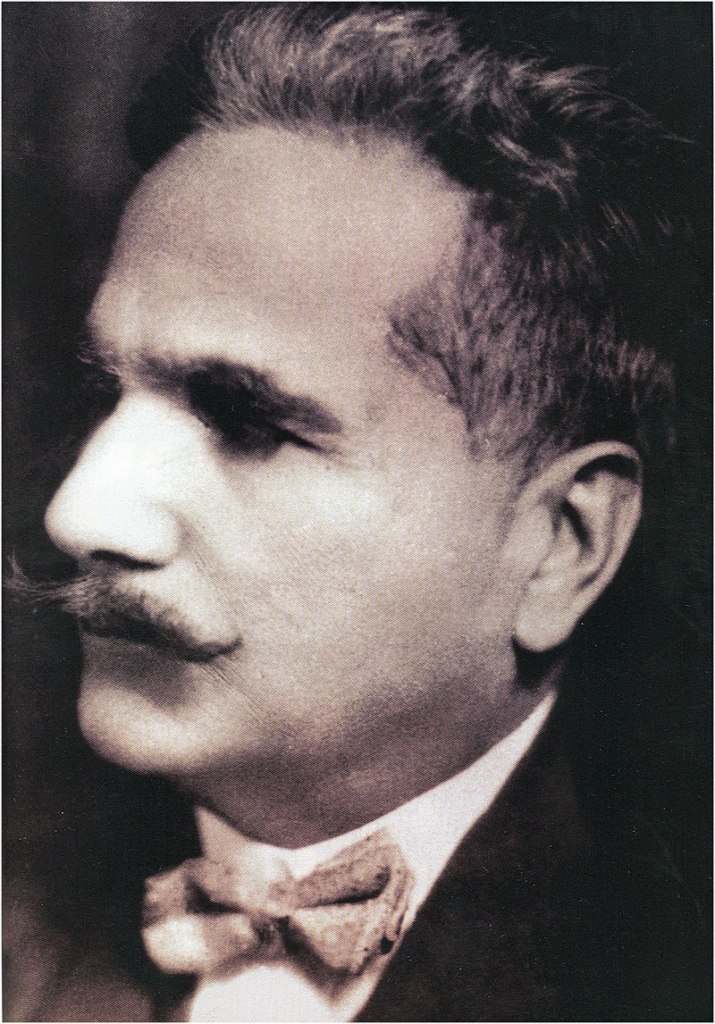
The name Hindustan got its proudest moment when in 1904 Sir Allama Muhammad Iqbal penned his famous patriotic poem “Sāre jahāṉ se acchā, Hindositāṉ hamārā”. Sir Allama Muhammad Iqbal was a poet, philosopher, theorist, and barrister in British India. He is held as the national poet of Pakistan.

Sir. Allama Muhammad Iqbal (1877-1938)

The Constituent Assembly on 29 August 1947 constituted the Constitution Drafting Committee under the Chairmanship of Dr. B.R. Ambedkar. From February 1948 to November 1949, the members of the Constituent Assembly examined the draft, moving and discussing in the process almost 2,500 amendments.

On 26 November 1949, we finally adopted the Constitution of India and signed it on 24 January 1950. On 26 January 1950, the Constitution of India officially came into force, and the Constituent Assembly became the Provisional Parliament of India until the first general elections of 1952. It was Dr. Ambedkar who favoured the name Bharat and wanted Constituent Assembly to adopt Article 1 without much debate. However the name was approved after prolonged debates among the members of the Constituent Assembly.

So, four years after the publication of Nehru’s Discovery of India, the drafters of the Constitution decided to write “India, that is Bharat, shall be a Union of States”.  The alternative Article “Hind, or, in the English language, India, shall be a Union of States” was not accepted.

The last speech of Shri Hargovind Pant on this issue is memorable. Let me extract it in full.

“Mr. President, during the early sittings of the Assembly I had moved an amendment to the effect that for the name of the country, we should have the word “Bharat” or “Bharat Varsha” in place of ‘India’. I am gratified to see that some change in the name has at last been accepted. I, however, fail to understand why the word ‘Bharat Varsha’ is not acceptable to the House when the importance and glory of this word is being admitted by all here. I do not want to repeat what the other Members have said in regard to the acceptance of this glorious word, but I would make only a few observations in respect of this word.

‘The word “Bharat” or “Bharat Varsha” is used by us in our daily religious duties while reciting the Sankalpa. Even at the time of taking our bath we say in Sanskrit:

“Jamboo Dwipay, Bharata Varshe, Bharat Khande, Aryavartay, etc.”

It means that I so and so, of Aryavart in Bharat Khand, etc………..

The most celebrated and word-famous poet Kalidasa has used this word in his immortal work depicting the story of his two great characters-King Dushyanta and his queen Shakuntala. The son born of them was named ‘Bharat’ and his Kingdom was known as “Bharat”. There are many fascinating descriptions of the heroism of Bharat in our ancient books. It is said that in his childhood he used to play with lion cubs and overpowered them. We are well acquainted with the story of Bharat. I fail to understand, in view of all this, why we are reluctant to accept, from the core of our heart the word ‘Bharat Varsha’ as the name of our country,

So far as the word ‘India’ is concerned, the Members seem to have, and really I fail to understand why, some attachment for it. We must know that this name was given to our country by foreigners who having heard of the riches of this land were tempted towards it and had robbed us of our freedom in order to acquire the wealth of our country. If we, even then, cling to the word ‘India’, it would only show that we are not ashamed of having this insulting word which has been imposed on us by alien rulers. Really, I do not understand why we are accepting this word.

‘Bharat’ or ‘Bharat Varsha’ is and has been the name of our country for ages according to our ancient history and tradition and in fact this word inspires enthusiasm and courage in its; I would, therefore, submit that we should have no hesitation at all in accepting this word. It will be a matter of great shame for us if we do not accept this word and have some other word for the name of our country. I represent the people of the Northern part of India where sacred places like Shri Badrinath, Shri Kedarnath, Shri Bageshwar and Manasarovar are situated. I am placing before you the wishes of the people of this part. I may be permitted to state, Sir, that the people of this area want that the name of our country should be ‘Bharat Varsha’ and nothing else.”

Shri. Hargovind Pant 1855-1957

Mahatma Gandhi preferred Vande Mataram, which is part of Bankim Chandra’s novel Anandmath published in 1882.

Bharath Matha: It is interesting to note that almost all countries call their Homeland as ‘Motherland’. Only Nazis called their land as ‘Fatherland’. Russians refer to Mother Russia as a personification of the Russian nation. Within the British Empire, many natives in the colonies came to think of Britain as the mother country of one, large nation.  India is personified as Bharat Mata i.e. Mother India. The French commonly refer to France as “la mère patrie”. Hispanic Americans and 19th century-upper-class-Filipinos, commonly referred to Spain as “la Madre Patria”. Romans and the subjects of Rome saw Italy as the motherland. “Fatherland” was mostly featured in news reports associated with Nazi Germany.

The word “Bharat” has a primary place in the foundational document of this nation i.e. the Constitution of India, in the very first article. The insertion was after much debate and discussion by some of the greatest legal/constitutional minds.

Indians calling their homeland as motherland has naturally made the slogan “Bharath Matha Ki Jai” a patriotic gesticulation.

Proclaiming “Bharath Matha Ki Jai” by citizens and soldiers is part of our constitutional spirit. Nothing can inspire a solider in the frontline than proudly shouting this slogan.

The controversy over this issue is the result of half-baked knowledge of lawyers participating in serious debates. This needs to be avoided and curbed.

S.Basavaraj, Advocate, Daksha Legal, Member, Karnataka State Bar Council, 9845065416

Bibliography.

1.    ‘India, that is Bharat…’: One Country, Two Names –  Ideas of South Asia Catherine Clémentin-Ojha. https://journals.openedition.org/samaj/3717

2.    Mahatma Gandhi and Bharat Mata ki Jai – S.N. Sahu http://www.mainstreamweekly.net/article6431.html

3.    Constituent Assembly of India Debates Volume VII – November 15 and 17, 1948 http://loksabhaph.nic.in/writereaddata/cadebatefiles/C18091949.html

4.    Homeland – https://en.wikipedia.org/wiki/Homeland#Motherland


ಕರ್ನಾಟಕ ರಾಜ್ಯ ವಕೀಲರ ಕಲ್ಯಾಣ ನಿಧಿಯ ಬಗ್ಗೆ ವಿವರಣೆ

ಬಸವರಾಜ್. ಎಸ್. ಹಿರಿಯ ವಕೀಲರು. ಸದಸ್ಯರು, ಕರ್ನಾಟಕ ರಾಜ್ಯ ವಕೀಲರ ಪರಿಷತ್.

ವಕೀಲರಿಗೋಸ್ಕರ 1983ರ ಕರ್ನಾಟಕ ರಾಜ್ಯ ವಕೀಲರ ಕಲ್ಯಾಣ ನಿಧಿ ಕಾಯ್ದೆ ಅಡಿ ಸ್ಥಾಪಿಸಲಾದ ಕಲ್ಯಾಣ ನಿಧಿಯ ಬಗ್ಗೆ ವಿವರಣೆ ನೀಡುವ ಅಗತ್ಯವಿರುವುದರಿ0ದ ಈ ಸಣ್ಣ ಲೇಖನ.
ಕಲ್ಯಾಣ ನಿಧಿ ಈಗ ಇರುವ ರೀತಿಯಲ್ಲಿ ಮಾತ್ರ ವಿವರಣೆ ನೀಡಲಾಗಿದೆ. ಹಳೆಯ ತಿದ್ದುಪಡಿಗಳ ಬಗ್ಗೆ ವಿವರಣೆ ಅಗತ್ಯವಿಲ್ಲ.ವಕೀಲರು ಹಣ ಸ0ದಾಯದ ವಿವರ. ನೊ0ದಣಿಯಾಗುವ ಸಮಯದಲ್ಲಿ ರೂ. 1,000 ಗಳನ್ನು ವಕೀಲರ ಕಲ್ಯಾಣ ನಿಧಿಗೆ ನೀಡಬೇಕಾಗುತ್ತದೆ.
ನ0ತರ ಪ್ರತಿ ವರ್ಷ ರೂ. 1,000 ಗಳನ್ನು ವಕೀಲರ ಕಲ್ಯಾಣ ನಿಧಿಗೆ ಸ0ದಾಯ ಮಾಡಬೇಕಾಗುತ್ತದೆ.
15 ವರ್ಷ ವಕೀಲ ವೃತ್ತಿ ಮಾಡಿದ ವಕೀಲರು ಕಲ್ಯಾಣ ನಿಧಿಗೆ ಪ್ರತಿ ವರ್ಷ ರೂ. 2,000 ಸ0ದಾಯ ಮಾಡಬೇಕಾಗುತ್ತದೆ.
ಮು0ದುವರೆದು, 15 ವರ್ಷ ವಕೀಲ ವೃತ್ತಿ ಮಾಡಿದ ವಕೀಲರು ಒಮ್ಮೆ ರೂ. 25,000 ಅಜೀವ ಸದಸ್ಯತ್ವ ಸ0ದಾಯ ಮಾಡಿದರೆ ಪ್ರತಿ ವರ್ಷ ಹಣ ಕಟ್ಟುವ ಅಗತ್ಯವಿಲ್ಲ.
ಪದಾ0ಕಿತ ಹಿರಿಯ ವಕೀಲರು ಪ್ರತಿ ವರ್ಷ ರೂ. 10,000 ರೂಗಳನ್ನು ಕಲ್ಯಾಣ ನಿಧಿಗೆ ಸ0ದಾಯ ಮಾಡಬೇಕಾಗುತ್ತದೆ. ಇದು ರೂ. 25,000 ಸ0ದಾಯ ಅಜೀವ ಸದಸ್ಯತ್ವ ಮಾಡಿದ್ದರೂ ಕೂಡ ಕಟ್ಟಬೇಕಾಗುತ್ತದೆ. ಇದರ ಕಾರಣ ಹಿರಿಯ ವಕೀಲರು ಚೀಟಿಯನ್ನು (ಸ್ಟಾ0ಪ್) ಹಾಕುವುದಿಲ್ಲ.
ಮರಣ ಪರಿಹಾರ. ವಕೀಲರ ಕಲ್ಯಾಣ ನಿಧಿಯಿ0ದ ಈ ಕೆಳಕ0ಡ0ತೆ ಪರಿಹಾರ ನೀಡಲಾಗುತ್ತದೆ.
ನೊ0ದಣಿಯಾದ 15 ವರ್ಷದೊಳಗೆ ಮರಣ ಹೊ0ದಿದರೆ ರೂ. 4 ಲಕ್ಷ.
ನೊ0ದಣಿಯಾದ 15 ರಿ0ದ 35 ವರ್ಷದೊಳಗೆ ಮರಣ ಹೊ0ದಿದರೆ ರೂ. 6 ಲಕ್ಷ.
ನೊ0ದಣಿಯಾದ 35 ವರ್ಷದ ನ0ತರ ಮರಣ ಹೊ0ದಿದರೆ ರೂ. 8 ಲಕ್ಷ.
ಗಮನಿಸಿ. 40 ನೆ ವಯಸ್ಸಿನ ನ0ತರ ವಕೀಲ ವೃತ್ತಿಗೆ ನೊ0ದಣಿಯಾಗಿದ್ದಲ್ಲಿ
6:8:2010 ರ ನ0ತರ ಕಲ್ಯಾಣ ನಿಧಿ ಸದಸ್ಯತ್ವ ಹೊ0ದಿದ್ದಲ್ಲಿ
ಸ್ವ0ತ ಇಚ್ಚೆಯಿ0ದ ಸನದ್ದನ್ನು ಅಮಾನತುಗೊಳಿಸಿದ್ದಲ್ಲಿ
1:8:2000 ರ ನ0ತರ ಸದಸ್ಯತ್ವ ಹೊ0ದಿ 60 ವರ್ಷ ವಯಸ್ಸಾಗಿದ್ದಲ್ಲಿ
ಪ್ರತಿ ವರ್ಷ ರೂ. 10,000 ದ0ತೆ ಗರಿಷ್ಠ ರೂ 3 ಲಕ್ಷ ನೀಡಲಾಗುತ್ತದೆ.
ಇದು ವಿವೃತ್ತಿಗೂ ಅನ್ವಯಿಸುತ್ತದೆ.
ನಿವೃತ್ತಿ ಪರಿಹಾರ. ಈ ವರ್ಗದಲ್ಲಿ ಪರಿಹಾರ ಕೋರುವ ವಕೀಲರು ನೊ0ದಣಿಯಾದ ದಿನದಿ0ದ 50 ವರ್ಷಗಳ ಕಾಲ ವಕೀಲ ವೃತ್ತಿ ಮಾಡಬೇಕಿರುತ್ತದೆ ಅಥವಾ 75 ವರ್ಷ ವಯಸ್ಸಾಗಿರಬೇಕು. ತಡವಾಗಿ ನೊ0ದಣಿಯಾದ ವಕೀಲರು 75 ನೇ ವಯಸ್ಸಿನಲ್ಲಿ ನಿವೃತ್ತಿ ಕೋರಿದರೆ ಹಣದ ಮೊತ್ತ ಬದಲಾಗುತ್ತದೆ ಅ0ದರೆ;
ಅವರ 75 ನೆ ವಯಸ್ಸಿನಲ್ಲಿ 15 ವರ್ಷ ಮಾತ್ರ ವಕೀಲ ವೃತ್ತಿ ಮಾಡಿದ್ದರೆ ರೂ. 4 ಲಕ್ಷ,
75 ನೆ ವಯಸ್ಸಿನಲ್ಲಿ 35 ವರ್ಷ ಮಾತ್ರ ವಕೀಲ ವೃತ್ತಿ ಮಾಡಿದ್ದರೆ ರೂ. 6 ಲಕ್ಷ,
75 ನೆ ವಯಸ್ಸಿನಲ್ಲಿ 35 ವರ್ಷಕ್ಕಿ0ತ ಹೆಚ್ಚು ವಕೀಲ ವೃತ್ತಿ ಮಾಡಿದ್ದರೆ ರೂ. 8 ಲಕ್ಷ.
ಆಸ್ಪತೆಯಲ್ಲಿ ದಾಖಲಾದ 3 ತಿ0ಗಳೊಳಗಾಗಿ ಅರ್ಜಿ ಸಲ್ಲಿಸಬೇಕು.
ವಕೀಲರು 75 ವಯಸ್ಸಿಗಿ0ತ ಕಿರಿಯ ವಯಸ್ಸಿನಲ್ಲಿಯೂ ನಿವೃತ್ತಿ ಪರಿಹಾರ ಕೋರಬಹುದು. ಆದರೆ ಅವರಿಗೆ ಶಾಸ್ವತ ಊನತೆ ಉ0ಟಾಗಿ ವಕೀಲ ವೃತ್ತಿ ಮು0ದುವರೆಸಲು ಸಾದ್ಯವಿಲ್ಲ ಎ0ಬ ಬಗ್ಗೆ ಜಿಲ್ಲಾ ವೈದ್ಯಕೀಯ ಸರ್ಜನ್ ಅಭಿಪ್ರಾಯ ಹಾಜರು ಪಡಿಸಬೇಕು.
ಖಾಯಿಲೆ ಪರಿಹಾರ. 5 ವರ್ಷ ವಕೀಲ ವೃತ್ತಿ ಮಾಡಿದ ವಕೀಲರು ಈ ವರ್ಗದಲ್ಲಿ ರೂ. 1,50,000 ದವರೆಗೆ ಪಡೆಯಬಹುದು. ಇದು ಒ0ದು ಬಾರಿ ಮಾತ್ರ. ಈ ಹಣವನ್ನು ಅ0ತಿಮವಾಗಿ ನೀಡುವ ಹಣದಲ್ಲಿ ಕಡಿತಗೊಳಿಸಲಾಗುತ್ತದೆ.
ಇದಲ್ಲದೆ ಭಾರತೀಯ ವಕೀಲರ ಪರಿಷತ್ತಿನಲ್ಲಿ ರೂ. 50,000 ಪಡೆಯಬಹುದು. ಇದು ಒ0ದು ಬಾರಿ ಮಾತ್ರ. ಈ ಹಣವನ್ನು ಕಡಿತಗೊಳಿಸುವುದಿಲ್ಲ.
ಯಾವ ಖಾಯಿಲೆಗಳಿಗೆ ಹಣ ನೀಡಲಾಗುತ್ತದೆ?. ಕ್ಯಾನ್ಸರ್, ಏಡ್ಸ್, ಬ್ರೇನ್ ಟೂಮರ್, ಮಾನಸಿಕ ರೋಗ, (Mental disorder), ನಡೆದಾಡಲು ಮತ್ತು ಮಾತನಾಡಲು ಆಗದ ಪಾರ್ಶ್ವವಾಯು (Paralysis). ಇತರೆ ಖಾಯಿಲೆಗಳಿಗೆ ಸಮಿತಿ ನೀಡಬೇಕೆ0ದರೆ ವೈದ್ಯಕೀಯ ತಜ್ಞರ ಅಭಿಪ್ರಾಯ ಪಡೆಯಬೇಕಾಗುತ್ತದೆ.
ಹಣಕಾಸಿನ ತೊ0ದರೆ ಪರಿಹಾರ. ಆರ್ಥಿಕ ಪರಿಸ್ತಿತಿ ಬಿಗಡಾಯಿಸಿದಾಗ ವಕೀಲರು ವಕೀಲರು ರೂ. 1,50,000 ದವರೆಗೆ ಪಡೆಯಬಹುದು. ಇದು ಒ0ದು ಬಾರಿ ಮಾತ್ರ. ಈ ಹಣವನ್ನು ಅ0ತಿಮವಾಗಿ ನೀಡುವ ಹಣದಲ್ಲಿ ಕಡಿತಗೊಳಿಸಲಾಗುತ್ತದೆ. ಈ ವರ್ಗದಲ್ಲಿ ಭಾರತೀಯ ವಕೀಲರ ಪರಿಷತ್ತಿನಿ0ದ ಯಾವುದೆ ಹಣ ನೀಡಲಾಗುವುದಿಲ್ಲ.
ಈ ವರ್ಗದಲ್ಲಿ ಹಣ ಪಡೆಯಬೇಕಾದಲ್ಲಿ (1) ವಕೀಲರಿಗೆ 65 ವರ್ಷ ವಯಸ್ಸಾಗಿರಬೇಕು (2) ಹಾಗೂ 20 ವರ್ಷ ವಕೀಲ ವೃತ್ತಿ ಮಾಡಿರಬೇಕು (3) ಹಾಗೂ ಕಲ್ಯಾಣ ನಿಧಿಗೆ 12 ವರ್ಷ ಸದಸ್ಯರಾಗಿರಬೇಕು. ಈ ಎಲ್ಲ ಮೂರು ಅ0ಶಗಳೂ ಇರಬೇಕು.

ಬಸವರಾಜ್. ಎಸ್. ಹಿರಿಯ ವಕೀಲರು. ಸದಸ್ಯರು, ಕರ್ನಾಟಕ ರಾಜ್ಯ ವಕೀಲರ ಪರಿಷತ್.

“Know Your Judge”. H.P. Sandesh. Karnataka High Court.

Hon’ble Mr. Justice H.P. Sandesh celebrates his 61st birthday today.

Hon’ble Mr. Justice Hethur Puttaswamygowda Sandesh: Born on December 2nd 1964, at Hethur in Sakaleshpur Taluk, Hassan District to Late Sri. Puttaswamy Gowda and Late Smt. Kaveramma as a second son. He had his Primary Education at Hethur and Sakaleshpur. Secondary Education at Pre-University Government College, Sakaleshpur.

Thereafter, obtained 5 years Law Degree from M. Krishna Law College, Mysuru University from 1987 to 1992 and started practice with Sri.K. Anantharamaiah, Senior Advocate on both Civil and Criminal Law at Hassan. Thereafter, shifted his practice to Bengaluru in 1994. He has practiced both on Civil and Criminal side in High Court and District Judiciary in Bengaluru.

Thereafter, directly selected as District & Sessions Judge in 2002 and worked as I Additional District & Sessions Judge, Mandya and Mangaluru, Principal Secretary to Hon’ble The Chief Justice, Registrar (Administration) in High Court of Karnataka, Principal District & Sessions Judge, Mysuru and Haveri, Registrar (Infrastructure), Registrar (Administration), Secretary to Hon’ble The Chief Justice, High Court of Karnataka, Chief Judge, Court of Small Causes, Registrar (Vigilance), High Court of Karnataka and elevated as Additional Judge, High Court of Karnataka on 03.11.2018 and permanent Judge on 26.02.2020.

Got married to Smt. Hemavathi and has two daughters by name Kum. Sahana Sandesh, who is an Engineering graduate and Kum. Sneha Sandesh, who is pursuing her MBBS., and now doing her internship in M.S.Ramaiah Medical College, Bengaluru.

Important judgments delivered by Hon’ble Justice H.P. Sandesh.

Criminal Procedure Code. Section 482. Mere pendency of civil suit on the issue is not a ground to quash criminal proceedings when serious allegations are made in chargesheet. Karnataka High Court.

Negotiable Instruments Act. Whether a cheque is issued in respect of a time barred debt is a matter for trial. Proceedings cannot be quashed on this ground. Karnataka High Court.

Criminal Procedure Code. Section 482. When prosecution prima facie establishes receipt of huge money by son relatable to crime of corruption by the father defence of private transaction cannot be accepted to quash proceedings. Karnataka High Court.

Negotiable Instruments Act. Section 138. Non mentioning of transaction date in the complaint is not fatal to the case when evidence is led to corroborate the transaction details. Karnataka High Court.

Negotiable Instruments Act. Imprisonment ordered in default of fine in different and independent transactions. Sentence will run consecutively and NOT concurrently. Karnataka High Court.

Cr.P.C. Section 482. Though a transaction is civil in nature, if the complaint specifically avers dishonest and fraudulent acts inducing complainant to part with money, the criminal proceedings can NOT be quashed. Karnataka High Court.

Rape. Alleged bad character of a woman does not justify sexual assault on her. Karnataka High Court condemns the police machinery which tried to protect the rapist police officer.

Motor Vehicles Act. Insurance Company is liable to pay compensation under personal accident claim benefit even when the borrower of the vehicle met with personal accident. Karnataka High Court.

Motor Vehicles Act. After 1994 amendment, in case of goods vehicle, owner or his authorised representative are covered and entitled for compensation even though policy was issued earlier to 1994. Karnataka High Court.

Motor Vehicles Act. Vehicle covered under valid insurance policy driven by person without a driving licence at the time of accident. Insurance company has to pay compensation and recover the same from the owner. Karnataka High Court.

Motor Vehicles Act. Comprehensive policy covers employee of owner of vehicle involved in accident. Insurance company is liable to pay compensation for death of such employee. Karnataka High Court.

Negotiable Instruments Act. Against the order of acquittal passed by the first appellate court, appeal to High Court under Section 378(4) Cr.P.C is maintainable. Karnataka High Court.

Forgery of document produced before the Court. If the document was already tampered before its production before the Court, bar under Section 195(1)(b)(ii) for prosecution will not apply. Karnataka High Court.

Complaint u/s 138 N.I. Act filed without application to condone delay. Limitation issue raised for the first time in appeal. Appellate Court can send matter back to trial court by permitting complainant to file necessary application. Karnataka High Court.

Review. An error, which is not self-evident and to be detected by the process of reasoning, can not be said to be an error apparent on the face of the record, justifying the Court to exercise the power of review. Karnataka High Court.

Suit for specific performance. When entire sale consideration is paid and possession of the property is also delivered to the agreement holder, the readiness and willingness issue becomes illusory. Karnataka High Court.

Defamation. Onus of proving two ingredients; truth of the imputation and the publication of the imputation for the public good, is on the accused. Karnataka High Court reiterates.

Food Adulteration Act, 1954. Court cannot frame charge for ‘adulteration’ when prosecution case is ‘misbranding’. Judgement based on such charge liable to be set aside. Karnataka High Court.

Make sure that men of integrity are posted to Anti Corruption Bureau which is established to prevent corruption. Karnataka High Court directs the Chief Secretary to Government.

”Financial dependency is not the Ark of The Covenant”. Even the married sons and daughters are also entitled to compensation under the MVC Act. Karnataka High Court.

Workmen’s Compensation Act. There is no bar to enhance compensation invoking Order XLI Rule 33 of the CPC even in the absence of an appeal by the claimants. Karnataka High Court.

Death of driver due to heart attack while taking rest in parked vehicle shall also be construed as death during the course of employment. Karnataka High Court.

Motor Vehicle Act. Karnataka High Court exercises power under Order 41 Rule 33 CPC to enhance compensation from 11 lakhs to 44 lakhs in the appeal filed by the Insurance Company.

MVC Act. Insurance Company cannot escape its liability by merely branding driving license as fake without actually proving the same. Karnataka High Court.

After collecting premium for one year, Insurance Company cannot disown its liability on the ground that the registration of the vehicle expired in the meanwhile. Karnataka High Court.

Workmen Compensation Act. When the employer has not maintained the register, the salary claim of the claimant has to be accepted. Karnataka High Court.

After issuing the policy, Insurance Company cannot avoid liability if the cheque towards premium is dishonoured unless the Insurer cancels the policy and intimates the insured. Karnataka High Court.

Failure to conclude criminal trial expeditiously cannot be a ground to grant bail when the involvement in serious offences is made out. Karnataka High Court.

Rejection of earlier bail petition does not bar the Court from considering further developments on different considerations in a successive bail petition subject to gravity of the offence. Karnataka High Court.

Even the illegitimate children of the deceased are entitled to compensation under the Motor Vehicles Act. Karnataka High Court.

Order rejecting bail petition does not preclude another petition on a later occasion giving more materials, further developments and different considerations. Karnataka High Court reiterates.

Order 41 Rule 33 CPC can be invoked to enhance compensation even in an appeal filed by the insured as well as Insurance Company in the absence of appeal filed by the claimant. Karnataka High Court.

Bail. Merely because another accused who was granted bail was armed with similar weapon is not sufficient to determine whether bail can be granted on the basis of parity. Karnataka High Court.

NDPS. Possession could mean physical possession with animus; exercise of dominion and control as a result of concealment; or personal knowledge as to the existence of the contraband and the intention based on such knowledge. Karnataka High Court.

Petition for anticipatory bail is NOT maintainable once accused appears through his Advocate and gets exemption from appearance. He can seek only regular bail. Karnataka High Court.

Hindu Succession Act. Grant of occupancy rights in favour of a woman member of the joint family under the Karnataka Land Reforms Act cannot be considered as her absolute property under Section 14. Karnataka High Court.

Permissive possession cannot be claimed as adverse possession unless the possession is adequate in continuity, adequate in publicity and adverse to a competitor. Karnataka High Court.

Limitation for suit for comprehensive relief of declaration and possession is 12 years under Article 65 and not 3 years under Article 58 of the Limitation Act. Karnataka High Court.

Suit for specific performance. When suit is filed after non-alienation period is over, the suit cannot be said to be barred by time especially when entire sale consideration is paid under the agreement of sale. Karnataka High Court.

Disposition property in unnatural, improbable or unfair manner and exclusion of or absence of adequate provisions for the natural heirs without any reason is a ground to doubt the execution of a Will. Karnataka High Court.

Though sale in violation of non-alienation clause is voidable, if no action is taken against the purchaser or the sale for long time, by virtue of Section 27 of the Limitation Act, the purchaser gets his title perfected. Karnataka High Court.

Arbitration and Conciliation Act. Limitation under Section 34(3) commences only from the date a signed copy of the award is delivered to the party applying for setting it aside. Mere knowledge of the award is not enough. Karnataka High Court.

Suit for partition filed several years after the property was sold by the karta or the mother is hit by the doctrine of acquiescence and the same is liable to be dismissed. Karnataka High Court.

Suit seeking direction to conduct prayers/mass prayers in Church in a particular language invoking fundamental right under Article 25 does not involve Canon Law. Plaint cannot be rejected on this ground. Karnataka High Court.

Suit or proceeding in relation to the guardianship of the person or the custody of, or access to, any minor, can be filed only before the Family Court and the District Court has no jurisdiction. Karnataka High Court.

Suit for partition filed three years after the minor coparcener attaining majority merely pleading that alienation of ancestral properties by karta is not binding on him is barred by law of limitation. Karnataka High Court.

Counter claim need not be within the pecuniary jurisdiction of a Court. When counter claim exceeds pecuniary jurisdiction, the Court shall return the plaint under Order 7 Rule 10 CPC to be presented before the proper Court. Karnataka High Court.

When the rent and the leased area are within the prescribed limit under the Rent Act, the Court must reject the plaint for ejection filed under the Transfer of Property Act. Karnataka High Court.

If the premises used for commercial purpose is more than fourteen square meters, it is excluded from the applicability of the Karnataka Rent Act. This can’t be defeated on the ground that its rent is less than the amount stipulated. Karnataka High Court.

Indian Succession Act. Jurisdiction of the court to grant Succession Certificate is based on the ordinary residence of the deceased at the time of death with an intention to stay at that place for a considerable length. Karnataka High Court.

Mere pendency of second appeal against dismissal of suit for specific performance of sale agreement between landlord and tenant is not a ground to postpone the eviction proceedings. Karnataka High Court.

Suit by purchaser of property during pendency of civil suit, seeking declaration that the decree passed in the suit is not binding on him, is not maintainable and the plaint is liable to be rejected. Karnataka High Court.

Plaintiff not signing every page of the plaint is not a ground to reject the plaint when the verification column is duly signed by the plaintiff. Karnataka High Court.

Cheque Bounce cases. Moratorium contained in Section 14 of the Insolvency and Bankruptcy Code applies only to Corporate Debtors. Directors are liable under Chapter XVII of the Negotiable Instruments Act. Karnataka High Court.

Constructive resjudicata under Order 2, Rule 2 of CPC does not apply when the later suit is based on fresh cause of action. Karnataka High Court.

When specific averments are made in the plaint, the defence is immaterial while considering application under Order 7, Rule 11. Karnataka High Court.

Resjudicata is a mixed question of fact and law. Plaint cannot be rejected under Order 7, Rule 11(d) of C.P.C. without holding full fledged trial. Karnataka High Court.

Attachment under Order 38 Rule 5 of CPC. Even where the defendant is removing or disposing his assets, attachment before judgment will not be issued if the plaintiff is not able establish prima facie case. Karnataka High Court.

Appeal against grant/refusal to grant temporary injunction. Appellate Court can mould the relief taking note of the relief sought in the Trial Court as on the date of suit. Karnataka High Court.

Sale cannot be set aside under Order XXI Rule 90 CPC unless there is material irregularity which has resulted substantial injury to the judgment-debtor. Karnataka High Court.

Grant of temporary injunction in suit based on defamation. Issue regarding territorial jurisdiction goes to the root of the matter and the Court must consider this issue before considering other aspects. Karnataka High Court.

Judgment of the foreign Court is not executable in India if the same is not on merits. Even when the defendant is placed exparte, the judgment ought to be the one based on evidence led by the plaintiff. Karnataka High Court.

Karnataka Public Premises (Eviction of unauthorized occupants) Act is not a bar for the public authority to file for eviction against a dismissed employee seeking possession of the service quarters. Karnataka High Court.

 Karnataka Rent Act, 1999. Second revision petition under Section 115 of CPC is maintainable as against the revisional order passed by the District Court under Section 46. Karnataka High Court.

An independent suit questioning the compromise decree is not maintainable. Parties must approach the very same Court if any fraud or misrepresentation is alleged while obtaining the compromise decree. Karnataka High Court.

Second wife is not entitled to retirement benefits of her deceased husband. Karnataka High Court.

Section 5 of the Limitation Act can be invoked in an appeal filed under Section 37 of the Arbitration and Conciliation Act. Karnataka High Court.

Bar of Civil Court jurisdiction in a statute. Before considering the application for temporary injunction, the court must first consider the issue regarding jurisdiction. Karnataka High Court.

Judgment on admissions. It is not permissible for the Court to make roving enquiry for disposal of the application filed under Order XII Rule 6 of CPC. Karnataka High Court.

Karnataka Rent Act. Date of filing eviction petition governs the jurisdiction of the Court. Subsequent conduct of the parties will not oust the jurisdiction. Karnataka High Court.

When appeal against dismissal of suit for injunction is pending, the same does not give right to the defendant to seek injunction by way of fresh suit on same the cause of action pleaded by him. Karnataka High Court.

Successive anticipatory bail applications ought not to be entertained when the case diary and the status report clearly indicates that the accused is absconding and not cooperating with the investigation. Karnataka High Court.

Preventing bank from exercising its right under the SARFAESI Act in the guise of partition suit among family members with prayer for injunction is hit by Sections 35 and 36. Karnataka High Court.

Second suit for partition, instead of enforcing the earlier decree for partition within the period of limitation, is not maintainable. Plaint is liable to be rejected. Karnataka High Court.

Revocation of probate under the Indian Succession Act. Delay in applying for revocation cannot be considered when the service of notice and publication of citation was defective. Karnataka High Court.

Hindu Succession Act. Mother as class-I heir is entitled to a share in her deceased son’s property. Her death during the suit/appeal will not alter the situation since Section 15 gets attracted. Karnataka High Court.

Counter claim for possession based on dispossession/trespass. Trial Court is bound to raise the issue of limitation even in the absence of any pleadings with regard to limitation. Karnataka High Court.

Sale deed registered outside the State in respect of property situated within the State of Karnataka is a void document and does not confer any right. Karnataka High Court.

When a registered sale agreement is admitted by the vendor, it is not necessary to examine the witnesses to prove the agreement. Karnataka High Court.

Plaintiff cannot file rejoinder, pursuant to the written statement, as a matter of right without obtaining leave of the Court. Karnataka High Court.

When one party seriously disputes biological relationship with another in a civil suit, the court shall allow the application for DNA test at the instance of the person claiming such a relation. Karnataka High Court.

Order XXI Rule 97 CPC. Only person with independent right has the right to record resistance and not a party who is tracing his right through judgment debtor. Karnataka High Court.

Public or ex-servicemen cannot claim right of way through Class A1 land exclusively belonging to military invoking Article 19 (1) (d) of the Constitution of India. Karnataka High Court.

Land acquired and vested with the Government cannot be withdrawn from acquisition taking recourse to the General Clauses Act. Karnataka High Court.

Suit for partition without including all the joint family properties and without impleading all the co-sharers is not maintainable. Karnataka High Court.

A third party can institute separate suit challenging compromise award passed by the Lok-Adalat on the ground of fraud and undue influence. Karnataka High Court.

Suit for declaration cannot be decreed only on the basis of admission unless there is title deed showing the ownership. Karnataka High Court.

Indian Railways Act. Death or injury in the course of boarding or de-boarding train falls within the meaning of ‘’untoward incident’’. Victim is entitled to compensation. Karnataka High Court.

Specific Relief Act. A registered sale deed cannot be cancelled by another deed of cancellation even by the consent of the parties. The only mode is to re-transfer the property. Karnataka High Court.

Kartha/father can gift ancestral property in favour of his daughter within reasonable limits for pious purposes. Karnataka High Court.

Violation of Principles of Natural Justice itself is an independent ground for review of Judgment/order under Order 47 Rule 1 of the Civil Procedure Code. Karnataka High Court.

Compact Disk containing telephonically recorded conversation with Certificate under Section 65B of the Evidence Act is admissible as secondary evidence. Karnataka High Court.

Incidental finding on title in earlier suit for injunction will not act as resjudicata in a later suit unless the relief for injunction was founded or based on the finding on title. Karnataka High Court.

In a suit for injunction, valuation need not be split separately for Court fee and jurisdiction. It shall be valued only under Section 26(c) of the Karnataka Court Fees and Suits Valuation Act. Karnataka High Court.

Even in the absence of declaratory relief, Court can grant the relief of perpetual injunction with regard to the exercise of easementary right over the property. Karnataka High Court.

Order releasing the amount deposited under Section 148(3) N.I. Act does not amount to intermediate order since it is an interlocutory order. Revision before the High Court under Section 397 Cr.P.C. is not maintainable. Karnataka High Court.

Purchase of land and constructions put up subsequent to acquisition proceedings do not confer any right over the purchaser. Such person cannot maintain a suit for injunction against the acquiring body. Karnataka High Court.

When plaintiff’s suit for specific performance is barred by time, the defendant’s counter claim for possession can be granted by the Court. Karnataka High Court.

Purchaser of undivided share from a coparcener cannot insist on allotment of a particular developed portion in the partition when the construction was without the consent of the other coparceners. Karnataka High Court.

Hindu Women’s Rights Act. In the absence of an express prohibition in writing by the husband his widow had authority to make an adoption and such authority need not be proclaimed to anyone. Karnataka High Court.

Hindu Succession Act. Succession under Section 15 (2) is intended only to change the order of succession specified in sub-section (1) and not to completely eliminate other categories of heirs set out in sub-section (1). Karnataka High Court.

Arbitration agreement entered into after the 1996 Act came into force but making a reference to Indian Arbitration Act or the 1940 Act shall be governed only under the provisions of the 1996 Act. Karnataka High Court.

Indian Succession Act. Apart from the executor named in the Will, even other persons can seek for a probate under Section 276 depending on the circumstances. Karnataka High Court.

Statements in autobiography. Unless a full-fledged trial establishes defamatory nature of the statements, which are allegedly based on true facts, injunction cannot be granted restraining circulation of the book. Karnataka High Court.

Where title to property is not disputed, suit for possession and consequential injunction is maintainable without seeking declaration of title. Karnataka High Court.

“Know Your Judge”. S.G. Pandit. Karnataka High Court.

Hon’ble Mr. Justice S.G. Pandit celebrates his 60th birthday today.
Hon’ble Mr. Justice Shankar Ganapathi Pandit: Born on 16th November 1965. Appointed as Additional Judge of the High Court of Karnataka and took oath on 14.02.2018 and Permanent Judge on 07.01.2020. 

Important Judgments delivered by Hon’ble Mr. Justice S G Pandit.

Divorce. When the allegations of cruelty are consistent and specific which are not refuted by making available for cross-examination and in the absence of any contrary evidence on record, the court shall dissolve the marriage. Karnataka High Court. 

Property Tax. Assessing authority must furnish document or report on which it relies on to determine the tax liability to the assessee failing which assessment becomes illegal. Karnataka High Court.

Karnataka Co-operative Societies Act. Order of attachment of property before award or order passed by the Registrar under Section 103 is appealable to the Appellate Tribunal under Section 105. Karnataka High Court.

KIADB Act. Though no time limit is prescribed for publication of the final notification after the preliminary notification, if the final notification is not issued within two years, the acquisition will lapse. Karnataka High Court.

Motor Vehicles Act. Power of the Tribunal or the High Court to award just and fair compensation to the victim is not taken away because of prayer for a lesser amount. Karnataka High Court.

Education. ”On account of the pandemic, one cannot give up maintaining standards of education”. Karnataka High Court while rejecting plea of law students to dispense with exams. 

Caste Certificate and Creamy Layer Certificate cannot be treated alike. Caste Certificate status is permanent whereas Creamy Layer Certificate status varies from time to time depending on income. Karnataka High Court.

”Look Out Circular” cannot be sought by the bank for recovery of dues unless economic interest of the country is involved. Karnataka High Court.

When the statutory body fails to honor its commitment to allot industrial plot, it is bound to refund the entire amount paid by the prospective allottee. Karnataka High Court.

Writ Petition challenging provisional seizure order under Section 37A of the Foreign Exchange Maintenance Act cannot be entertained since it is subject to confirmation of the Competent Authority. Karnataka High Court.

Karnataka Civil Services Rules. No enquiry can be initiated against a retired person in respect of an event which had taken place more than four years prior to the enquiry. Karnataka High Court.

Karnataka SC/ST (PTCL) Act. Initiation of proceedings 7 years after the sale that too after receiving the entire sale consideration is hit by doctrine of unreasonable delay. Karnataka High Court. 

Hindu Marriage Act. Mere inability of the wife to obey decree for restitution of conjugal rights is not a ground to dismiss her petition for divorce. Karnataka High Court. 

Obtaining approval or sanction from the Government is not mandatory while issuing Preliminary Notification under Section 4(1) of the Land Acquisition Act for acquisition of lands in favour of the Karnataka Housing Board. Karnataka High Court.

When the State takes over private land of a person who has undisputed title over it, the owner cannot be asked to approach the civil court for compensation. Refusal to pay compensation violates constitutional mandate. Karnataka High Court.

Divorce. When the allegations of cruelty are consistent and specific which are not refuted by making available for cross-examination and in the absence of any contrary evidence on record, the court shall dissolve the marriage. Karnataka High Court. 

Property Tax. Assessing authority must furnish document or report on which it relies on to determine the tax liability to the assessee failing which assessment becomes illegal. Karnataka High Court. 

Karnataka Co-operative Societies Act. Order of attachment of property before award or order passed by the Registrar under Section 103 is appealable to the Appellate Tribunal under Section 105. Karnataka High Court.

Suit for specific performance. Third parties or strangers to the contract cannot be made parties to the suit, even if they claim to be joint family members and assert title over the property. Karnataka High Court.

When defendant raises a genuine dispute regarding title, thereby casting a cloud on the plaintiff’s title, the plaintiff cannot pursue a suit for mere injunction either preventive or mandatory. Karnataka High Court.

Service Law. Corruption cases warrant severe penalties. Tribunal cannot replace dismissal order with compulsory retirement solely based on sympathy. Karnataka High Court.

Insolvency and Bankruptcy Code. Even statutory dues owed to Government get extinguished if such claims are not part of the insolvency resolution plan. Karnataka High Court.

Legal representative of deceased defendant can file additional written statement setting up his own independent title to the plaint schedule property. Karnataka High Court.

Maintenance and Welfare of Parents and Senior Citizens Act does not apply to transactions which have taken place prior to coming into force of the Act. Karnataka High Court.

Commercial Courts Act. Loan or dispute with regard to loan not based on any mercantile document cannot be considered as ‘commercial dispute’ simply because the amount involved is above the specified value. Karnataka High Court.

Expiry of arbitration mandate. For the purpose of calculating the period of twelve months, time during which arbitration proceedings were stayed by the Court has to be excluded. Karnataka High Court.

Expiry of the arbitration. When parties file claim, defence, counter-claim, rejoinder and surrejoinder, the last of the pleadings shall be taken as the starting point to calculate twelve months. Karnataka High Court.

Review order by the Commissioner under Section 114A of the Karnataka Municipal Corporations Act. The Standing Committee cannot interfere with the order since it has no appeal power. Karnataka High Court.

Karnataka Municipal Corporations Act. Attachment of property in civil suit cannot be a ground not to sanction building plan for putting up construction on the property. Karnataka High Court.

Karnataka Land Reforms Act. Non-alienation clause operates from the date of final order passed by the Tribunal and not from the date of issuance of Form-10 to the tenant. Karnataka High Court.

Telegraphs Act. When a high-tension wire is erected over the land, definitely value of the land diminishes. While arriving at diminutive value, all factors such as crops grown, etc., is to be taken note of. Karnataka High Court.

Karnataka Municipal Corporations Act. Random scrutiny of the property tax returns can be undertaken by the Commissioner only after prior notice to the owner and inspection/measurement/survey of the property. Karnataka High Court.

KIADB cannot unilaterally cancel allotment of industrial plot for non-implementation of the project in time when the delay is attributable to reasons beyond the control of the allottee. Karnataka High Court.

Karnataka SC/ST (PTCL) Act. Initiation of proceedings 7 years after the sale that too after receiving the entire sale consideration is hit by doctrine of unreasonable delay. Karnataka High Court.

Compensation for drawing high-tension lines. Since possession of land remains with owners and growing agricultural crops permitted, diminutive value cannot exceed 30% of the market value. Karnataka High Court.

Registration Act. An unregistered document can be marked in evidence for collateral purpose. Karnataka High Court.

MV Act. Ex-gratia payment paid to victim cannot be deducted from the compensation awarded to the claimants. Karnataka High Court.

Indian Registration Act. When a General Power of Attorney holder vested with full powers executes a sale deed, he is deemed to be the ‘person executing’ the document under Section 32(a). In such a case, authentication of the GPA by the Sub-Registrar is not required. Authentication is necessary only when an agent merely presents the document on behalf of the principal. Karnataka High Court.

Service Law. A transfer of a government employee, even if it is premature and based on a recommendation from a Member of Legislative Assembly is not invalid if it is done to address public grievances and is approved by the Chief Minister as per the guidelines for transfers. Karnataka High Court.

Karnataka Civil Services (Classification, Control and Appeal) Rules. Government has the authority to refer a departmental inquiry to the Upa-Lokayukta, even if a separate disciplinary inquiry has already been initiated and the same is at an advanced stage. Karnataka High Court.

A subordinate court order based on a submission or concession made by the petitioner’s counsel cannot be questioned in a writ petition since the appropriate course is to seek modification of the order before the same court. Karnataka High Court.

A disciplinary enquiry and criminal proceedings against a government employee cannot proceed when the foundational report and FIR on which they are based have been quashed. Karnataka High Court.

Karnataka SC/ST (PTCL) Act. Mere allegations of fraud against the purchaser and illiteracy on the part of the original grantee, without specific details, are insufficient to invalidate the transaction, particularly when the application for resumption is filed after an inordinate delay. Karnataka High Court.

The regularization of unauthorized land occupation and the subsequent issuance of a Saguvali Chit are invalid if the granting committee’s order lacks a reasoned basis and fails to follow the prescribed legal procedures. Karnataka High Court.

The High Court, under Article 226, should not adjudicate property title disputes, especially when a civil suit on the same matter is pending. While a land designation in a master plan may lapse if not acquired or utilized within five years, any subsequent action on a change of land use application depends on the outcome of the title dispute in the civil court. Karnataka High Court.

Karnataka Lokayukta Act. An order entrusting a disciplinary enquiry to the Lokayukta based merely on its report under Section 12(3), without independent application of mind or establishment of a prima facie case, and merely reproducing the report despite contrary departmental findings, is liable to be quashed. Karnataka High Court.

When a court grants a legal benefit to certain individuals, the principle of treating similarly situated persons equally requires that the same benefit be extended to all others in identical circumstances, without necessitating separate litigation. Authorities are duty-bound to apply such decisions uniformly to all comparable cases. Karnataka High Court.

Where no proper notice is served on all parties after a prior remand, and the Land Tribunal fails to record who was in actual cultivation as tenant on the relevant date, a fresh remand is justified. Delay in challenge does not bar such relief if the petitioners were unaware of the proceedings due to lack of notice. Karnataka High Court.

Consumer Protection Act. Complaints against banks alleging deficiency in service, particularly those arising from marital disputes or involving criminal allegations, are not suitable for adjudication through the summary procedure of consumer forums. Such complaints are liable to be dismissed, especially where the complainant had prior knowledge of the transactions in question. Karnataka High Court.

Land Acquisition Act. When determining enhanced compensation for acquired land, particularly land with potential for non-agricultural use but not yet converted, the market value can be calculated based on the Sub-Registrar’s rate for residential property in the vicinity, subject to a deduction for development charges. Karnataka High Court.

Land acquisition. Strict pleading rules do not apply in reference cases for enhancement of compensation. The court’s priority is to determine the true market value, and claims for enhanced compensation should not be dismissed due to minor discrepancies between pleadings and evidence. Karnataka High Court.

Industrial land allotment by KIADB. When there is enormous delay in issuing final notification forcing the allottee to cancel the project, the KIADB cannot forfeit portion of the upfront payment made by the allottee. Karnataka High Court.

Arbitration and Conciliation Act. Limitation period for a Section 34 application to set aside an arbitral award commences from the date a party receives the signed award. If formal service is not proven, the date of applying for a certified copy can be deemed the start of the limitation period. Karnataka High Court.

Commercial Courts Act. Suit for ejection in respect of a commercial premises with prayer for award of mesne profit falls within the jurisdiction of commercial court under Section 2(1)(c)(vii). Karnataka High Court.

Service Law. Courts and tribunals can intervene with an order imposing penalty or punishment when the order is issued by an authority lacking jurisdiction; when the decision is unsupported by evidence and when there is a gross violation of the principles of natural justice. Karnataka High Court.

Order XXVI Rule 9 of CPC. In a suit for permanent injunction/possession, commissioner cannot be appointed to find out location, boundaries and details of the property. The plaintiff must be definite about the suit schedule property. Karnataka High Court.

Contract Act. When fixed deposits are offered as collateral security towards loan, Bank can exercise its general lien over the fixed deposits. Karnataka High Court.

Freedom Fighters pension. Care has to be taken to see that real freedom fighters do not suffer, at the same time, fictitious claims have to be sternly dealt with on merits. Karnataka High Court.

Suit for specific performance. Third parties or strangers to the contract cannot be made parties to the suit, even if they claim to be joint family members and assert title over the property. Karnataka High Court.

https://www.dakshalegal.com/judgements/actionView/a0982300f7cf6665bb64bcee

“ಕೆಲಸವಿಲ್ಲದೇ ಹಣ” – ವಕೀಲ ವೃತ್ತಿಯ ಭ್ರಮೆ.

ಎಸ್. ಬಸವರಾಜ್. ಹಿರಿಯ ವಕೀಲರು. ಸದಸ್ಯರು. ಕರ್ನಾಟಕ ರಾಜ್ಯ ವಕೀಲರ ಪರಿಷತ್ತು.


ವಕೀಲರ ವಲಯದಲ್ಲಿ ಸಾಮಾನ್ಯವಾಗಿ ಕೇಳುವ ಒಂದು ಮಾತು ಇದೆ:
“ಮೊದಲ 1 ರಿಂದ 5 ವರ್ಷ: ಕೆಲಸ ಮಾತ್ರ, ಹಣ ಇಲ್ಲ.
5 ರಿಂದ 15 ವರ್ಷ: ಕೆಲಸ ಮತ್ತು ಹಣ.
15 ವರ್ಷಗಳ ನಂತರ: ಹಣ ಮಾತ್ರ, ಕೆಲಸ ಇಲ್ಲ.”

1.
ಇದು ಪ್ರೋತ್ಸಾಹದಂತೆ ಅಥವಾ ಗುರಿ ಸಾಧಿಸುವ ಮಾತಿನಂತೆ ತೋರುತ್ತದೆ. ಆದರೆ ವಾಸ್ತವದಲ್ಲಿ, ಇದು ಬಹುಪಾಲು ಮಿಥ್ಯೆ. ವಕೀಲ ವೃತ್ತಿ ಎನ್ನುವುದು ಒಂದು ಹಂತ ತಲುಪಿದ ಮೇಲೆ ಸುಲಭವಾಗಿ ಸಾಗುವ ವ್ಯವಹಾರವಲ್ಲ. ಕಾನೂನು ವೃತ್ತಿ ಗಂಭೀರ, ಶ್ರಮಯುತ, ಬದಲಾವಣೆಗೊಳಗಾಗುವ ವೃತ್ತಿ. ಇದರ ಯಶಸ್ಸು ಜೀವನಪೂರ್ತಿ ನಿರಂತರ ಪರಿಶ್ರಮ, ಶಿಸ್ತು ಮತ್ತು ಬೌದ್ಧಿಕ ತೀಕ್ಷ್ಣತೆಗೆ ಅವಲಂಬಿತ.
ವಕೀಲರು ಎಷ್ಟೇ ಹಿರಿಯರಾಗಲಿ, ನಿರ್ಲಕ್ಷ್ಯ ವೃತ್ತಿಗೆ ಹಾನಿಕರ. ಸತ್ಯವೇನೆಂದರೆ ವಕೀಲರು ಶ್ರಮಪೂರ್ವಕವಾಗಿ, ನಿರಂತರವಾಗಿ ಮತ್ತು ನಿಷ್ಟೆಯಿ0ದ ಕೆಲಸ ಮಾಡದಿದ್ದರೆ, ಅವರಿಗೆ ಕೆಲಸವೂ ಬರುವುದಿಲ್ಲ, ಹಣವೂ ಬರುವುದಿಲ್ಲ.
2. ಪ್ರತಿಷ್ಠಿತ ಹಿರಿಯ ವಕೀಲರು ಇಂದಿಗೂ ದಿನಕ್ಕೆ 14 ರಿಂದ 18 ಗಂಟೆಗಳು ದುಡಿಯುತ್ತಾರೆ: ಸಂಶೋಧನೆ, ವಾದ ಸಿದ್ಧತೆ, ಓದುವುದು ಇತ್ಯಾದಿ. ಅವರ ಯಶಸ್ಸು ಸುಮ್ಮನೆ ಬಂದದ್ದಲ್ಲ; ಅದು ದಶಕಗಳ ಕಾಲದ ನಿರಂತರ ಪರಿಶ್ರಮದ ಫಲ.
3. ಒಮ್ಮೆ ವೃತ್ತಿಯಲ್ಲಿ ಆಲಸ್ಯ, ಆರಾಮ ಅಥವಾ ನಿರ್ಲಕ್ಷ್ಯ ಪ್ರವೇಶಿಸಿದರೆ, ಅಭಿವೃದ್ಧಿಯ ದಿಕ್ಕು ನಿಧಾನವಾಗಿ ಕುಸಿಯಲು ಪ್ರಾರಂಭಿಸುತ್ತದೆ. ಪ್ರತಿಭೆ ಮೊದಲ ಬಾಗಿಲು ತೆರೆಯಬಹುದು, ಆದರೆ ದೀರ್ಘಕಾಲದ ಪರಿಶ್ರಮವೇ ಆ ಬಾಗಿಲನ್ನು ತೆರೆದಿಟ್ಟಿರುತ್ತದೆ.
ಶ್ರಮ ಮಾತ್ರ ಸಾಕಾಗುವುದಿಲ್ಲ. ನಿರಂತರ ಅಧ್ಯಯನದ ಅಗತ್ಯ ಖ0ಡಿತ ಬೇಕು.
4. ಕಾನೂನು ಕ್ಷೇತ್ರ ನಿರಂತರವಾಗಿ ಬದಲಾಗುತ್ತಿದೆ. ಇದರ ಮೇಲೆ ಪರಿಣಾಮ ಬೀರುವ ಅಂಶಗಳು:
ಹೊಸ ನ್ಯಾಯನಿರ್ಣಯಗಳು ಮತ್ತು ಕಾನೂನು
ಕಾನೂನು ತಿದ್ದುಪಡಿ ಮತ್ತು ಸಂವಿಧಾನ ಪರಿಷ್ಕರಣೆ
ವೇಗವಾದ ತಾಂತ್ರಿಕ ಪ್ರಗತಿ
ವ್ಯಾಪಾರ, ಸಮಾಜ ಮತ್ತು ಸಂವಿಧಾನದ ಮೌಲ್ಯಗಳಲ್ಲಿ ಬದಲಾವಣೆ
5. ಅಧ್ಯಯನ ನಿಲ್ಲಿಸಿದ ವಕೀಲರು ನಿಧಾನವಾಗಿ ಹಿನ್ನಡೆಯುತ್ತಾರೆ. ಆದರೆ ನಿರಂತರವಾಗಿ ತಮ್ಮ ಜ್ಞಾನ ವಿಸ್ತರಿಸುವವರು ವಿಚಾರಣೆ ಕ್ರಮ, ಕಾನೂನು, ಸೈಬರ್ ಕಾನೂನು, AI ನಿಯಂತ್ರಣೆ, ಡೇಟಾ ಸಂರಕ್ಷಣಾ ಕಾನೂನುಗಳಂತಹ ಹೊಸ ಕ್ಷೇತ್ರಗಳಲ್ಲಿ ಜಗತ್ತಿನಲ್ಲಿ ಮುಂಚೂಣಿಯಲ್ಲಿ ಇರುತ್ತಾರೆ.
6. ಮೂರು ದಶಕಗಳ ಹಿಂದಿನ ಕಾನೂನು ವೃತ್ತಿ ಇಂದಿನಂತಿರಲಿಲ್ಲ. ಬದಲಾವಣೆಗಳಿಗೆ ವಿರೋಧ ತೋರಿದವರು ಹಂತಹಂತವಾಗಿ ಹಿಂದಕ್ಕೆ ಸರಿದರು. ಆದರೆ ಬದಲಾವಣೆ ಒಪ್ಪಿಕೊಂಡವರು, ಕಲಿತು ಮುಂದುವರೆದವರು, ಇಂದು ಅತ್ಯುತ್ತಮ ಸ್ಥಾನದಲ್ಲಿ ಇದ್ದಾರೆ.
7. ಜಾಗತೀಕರಣ ಮತ್ತು ಮಾರುಕಟ್ಟೆಯ ಬದಲಾವಣೆಗಳ ಪರಿಣಾಮ
ಲಿಬರಲೈಸೇಶನ್, ಗ್ಲೋಬಲೈಸೇಶನ್ ಮತ್ತು ಪ್ರೈವೇಟೈಸೇಶನ್ (LPG) ಬಂದ ನಂತರ ಕಾನೂನು ವೃತ್ತಿಯಲ್ಲಿ ಕ್ರಾಂತಿ ಸಂಭವಿಸಿತು. ಅಂತರಾಷ್ಟ್ರೀಯ ಕಂಪನಿಗಳ ಪ್ರವೇಶದಿಂದಾಗಿ:
ವೃತ್ತಿಪರ ನೈತಿಕತೆ
ಸ್ಪರ್ಧಾತ್ಮಕತೆ
ಬಿಲ್ಲಿಂಗ್ ವ್ಯವಸ್ಥೆಗಳು
ಗ್ರಾಹಕ ನಿರ್ವಹಣಾ ಮಾನದಂಡಗಳು
ಎಲ್ಲವೂ ಬದಲಾಗಿವೆ.
8. ಇಂದಿನ ಕಾನೂನು ವೃತ್ತಿ ಕೇವಲ ನ್ಯಾಯಾಲಯಕ್ಕೆ ಸೀಮಿತವಾಗಿಲ್ಲ. ಕಾನೂನು ವೃತ್ತಿಯ ಅವಕಾಶ, ವ್ಯಾಪ್ತಿ ಮತ್ತು ಪ್ರತಿಷ್ಠೆ ಇತಿಹಾಸದಲ್ಲೇ ಅತಿ ಉನ್ನತ ಮಟ್ಟಕ್ಕೆ ಏರಿದೆ. ಆದರೆ ಅದರ ಜವಾಬ್ದಾರಿ, ಕಠಿಣತೆ ಮತ್ತು ಸ್ಪರ್ಧೆಯ ಮಟ್ಟವೂ ಅದೇ ತಾಳಿನಲ್ಲಿ ಹೆಚ್ಚಾಗಿದೆ.
9. ಕಾನೂನು ವೃತ್ತಿ ಕೇವಲ ಉದ್ಯೋಗವಲ್ಲ; ಅದು ಜ್ಞಾನ, ಕೌಶಲ್ಯ, ಶಿಸ್ತು ಮತ್ತು ನೈತಿಕತೆಯ ಜೀವನಮೂಲಕ ಪ್ರಯಾಣ. ವಕೀಲರಿಗೆ ಹೊಸದೇ ಕಲಿಯದೇ ಇರುವ ಹಂತವೇ ಇಲ್ಲ.

ಯಶಸ್ಸು ವರ್ಷಗಟ್ಟಲೆ ಕಾಯುವವರಿಗೆ ಅಲ್ಲ; ಪ್ರತಿಕ್ಷಣ ಬೆಳೆಯುವವರಿಗೆ ಸಿಗುತ್ತದೆ.
ಪರಿಶ್ರಮಕ್ಕೆ ಪರ್ಯಾಯವಿಲ್ಲ.
ಗೌರವಕ್ಕೆ ಅವಧಿ ಪರವಾನಗಿ ಇಲ್ಲ.
ಕಲಿಕೆಗೆ ನಿವೃತ್ತಿ ಇಲ್ಲ.
ವಕೀಲರು ವಿದ್ಯಾರ್ಥಿಗಳು — ಐದು ವರ್ಷಗಳವರೆಗೆ ಅಲ್ಲ, ಹದಿನೈದು ವರ್ಷಗಳವರೆಗೆ ಅಲ್ಲ — ಜೀವನಪೂರ್ತಿ.

“Know Your Judge”. K. Natarajan. Kerala High Court.

Hon’ble Mr. Justice K. Natarajan celebrates his 61st birthday today.

Hon’ble Mr. Justice Krishnan Natarajan: Born on 05.11.1964 at Bengaluru City. Studied in Primary Education at Government Primary School, Shamanna Bungalow, Sultanpet, Bengaluru and Higher Primary Education at Government Boys’ Middle School, Mamulpet, Bengaluru; Secondary Education at Central High School, K.G. Road, Bengaluru; Pre-University Education at P.U. College, Magadi Road, Bengaluru; B.Com. Degree at Acharya Patashala Evening College, Bengaluru; and, LL.B. Degree at V.V. Puram Law College, K.R. Road, Bengaluru.

Enrolled as an Advocate on 14.02.1992; Started practice under the guidance of Sri V. Jagadish Gowda, learned Advocate, Gandhinagar, in Magistrate Courts and Sessions Courts, Bengaluru.

Started independent practice from January 1995, both in the field of civil and criminal sides, at Bengaluru and other districts of the State of Karnataka. Appointed as a panel Advocate for New India Assurance Company, Bengaluru.

Selected as the District and Sessions Judge and took charge as the District and Sessions Judge on 27.05.2002. Worked as IV Additional Sessions Judge, Kalaburagi from 01.07.2002 till 2005; As an Additional City Civil and Sessions Judge, Bengaluru from 2005 to 2008; As Presiding Officer of Labour Court, Chikkamagaluru between 2008 and 2009; As Principal District and Sessions Judge at Bellary and Dharwad Districts between 2009 and 2013; As Registrar (Review and Statistics) and Registrar (Recruitment) at High Court of Karnataka, Bengaluru from 2013 to 2015; As Principal Secretary to Government of Karnataka, Law Department, Bengaluru between 2015 and 2016; As Principal Judge, Family Court, Bengaluru from 2016 to 2018; As Principal District and Sessions Judge, Shivamogga District from 31.05.2018 till elevation as the Judge of the High Court of Karnataka.

Appointed as an Additional Judge of the High Court of Karnataka on 03.11.2018 and as Permanent Judge on 26.02.2020. 

Presently Appointed as Judge of Kerala High Court.

Important Judgments delivered by Hon’ble Mr. Justice                K Natarajan.

Advocate making defamatory statement in pleadings without obtaining signature of his clients cannot plead exception to Section 499 IPC. Karnataka High Court.

Criminal proceeding against Notary Public in respect of their official work without prior permission of the Central Government or the State Government is impermissible and is liable to be quashed. Karnataka High Court.

Failure to disburse dividend under the Companies Act, 1956 is a continuing offence. Recurring limitation extends until the payment is made. Karnataka High Court.

Unlike Company, if an offence is committed by Partnership Firm, it is an offence committed by its partners. There is no need to make Partnership Firm an accused in criminal case. Karnataka High Court.

Taking cognizance by the criminal Court cannot be set aside on the ground of defective or illegal investigation, unless illegality in investigation can be shown to have brought about miscarriage of justice. Karnataka High Court.

Magistrate cannot condone delay in filing private complaint, under Section 473 Cr.P.C. without issuing notice to accused/respondent. Karnataka High Court.

“Bhang is a traditional drink and the same is neither a narcotic drug nor a psychotropic substance unless it is prepared out of the substance of Ganja’. – Karnataka High Court.

Land Acquisition Act. In respect of the awards passed after 2013 Act, appeal is maintainable only under Section 74 of the 2013 Act and not under Section 54 of the 1894 Act. Karnataka High Court. 

Judiciary. ”Woodpeckers inside pose a larger threat than the storm outside”. Karnataka High Court. 

Appointment of eminent Senior Advocate under the SC/ST (Prevention of Atrocities) Rules, 1995 is a special measure to safeguard the interest of the victims. The same cannot be questioned on technical grounds. Karnataka High Court.

Matka gambling. Owner of the premises is also liable under the Karnataka Police Act though he was not present when the Police conducted the raid. Karnataka High Court.

Physically preventing public servant from discharging duties cannot be construed as part of fundamental right to assemble under Article 19(1)(b) of the Constitution. Karnataka High Court.

To determine weight of ganja to bring it under small or medium or commercial quantity, seeds and leaves cannot be excluded. Karnataka High Court.

When a partner commits criminal breach of trust in his individual capacity, the partnership firm need not be made party in the criminal proceedings. Karnataka High Court.

Conviction under Section 138 of Negotiable Instruments Act, 1881 cannot be questioned under Section 482 Cr.P.C when appeal remedy is available. Karnataka High Court.

Negotiable Instruments Act. Section 138. Once NBW is issued against accused, the complainant need NOT take any further steps till NBW is executed or returned. Complaint can NOT be dismissed for not taking steps. Karnataka High Court.

Criminal trial. In appropriate cases, the Court shall suo moto summon the document which is in possession of any of the parties under Section 91 of Cr.P.C. Karnataka High Court.

Proceedings under PMLA initiated and seized properties forwarded to the Adjudicating Authority situated outside the State. Karnataka High Court rejects the challenge for want of territorial jurisdiction.

POCSO Act. Though victim shall not be called frequently for cross                         examination, fair trial being a fundamental right, the court shall not deny sufficient opportunity to the accused. Karnataka High Court.                                                                                                                                                                                        

Matka and OC gambling fall under Section 78(3) of the Karnataka Police Act which are non cognizable offences. Without seeking permission of the Magistrate under Section 155(2) of Cr.P.C, the police have no authority to register FIR and file the charge.                                                                                                                                                                                                                                                                                                                                                         

Negotiable Instruments Act. When accused is convicted and in appeal deposits 20% of the cheque amount as per the Court direction, the complainant is entitled for release of the amount in his favour. Karnataka High Court.

Section 125 Cr.P.C. Step mother can claim maintenance from the income of the property of her husband when she is incapable of supporting herself. Karnataka High Court.

Investigation agencies must communicate final report prepared by them to the first informant as per Section 173(2)(ii) of Cr.P.C. Karnataka High Court directs DG and IGP of the State to issue necessary instructions.

Registering FIR for non-cognizable offences without taking permission from the Magistrate and filing charge sheet without obtaining sanction is not sustainable under the law. Karnataka High Court.

Police adding cognizable offence along with non-cognizable offence in FIR and later dropping cognizable offence from the chargesheet. The same will not cure mandatory requirement of Sanction under 155 (2) of Cr.P.C. Karnataka High Court.

Though CCB is not a Police Station, CCB Police Officers appointed or identified as Investigating Officers can file the final report / charge sheet under Section 173 (2) of Cr.P.C. Karnataka High Court.

Prevention of Corruption Act. Court cannot act as chartered accountant or hold mini-trial while considering the challenge to the prosecution under Section 13(1)(e). Karnataka High Court.

Sub-Registrar cannot be prosecuted for registration of a bogus document. Karnataka High Court.

Suit for possession based on illegal dispossession shall be filed within six months from the date of dispossession. Subsequent amendment for possession in a pending suit for injunction will not cure the defect. Karnataka High Court.

Rejection of plaint under Order 7 Rule 11 cannot be resorted to at belated stage when the issues are framed and the suit is already posted for evidence. Karnataka High Court.

When agreement was entered in Gujarat and the work was executed in Kerala, Police/Magistrate at Bangalore do not have jurisdiction over the dispute simply because the complainant’s office is situated at Bangalore. Karnataka High Court.

Adverse Possession as Sword. Plea of adverse possession can be raised by the plaintiff by filing a suit for declaration to perfect his title. Karnataka High Court.

Negotiable Instruments Act. Maximum 20% that can be ordered by the Magistrate to deposit as interim compensation under Section 143-A may be also below 20%. Karnataka High Court.

Land granted by way of public auction on upset price to SC/ST persons cannot be considered as “granted land’’ within meaning of Karnataka SC/ST (PTCL) Act. Karnataka High Court.

Wife cannot initiate prosecution against husband’s girlfriend for allegedly abetting the husband to commit offence under Section 498A, IPC. Karnataka High Court.

’Entire complaint reads like autobiography with no offence made out’. Karnataka High Court quashes criminal proceedings initiated by wife against her in-laws and husband’s relatives u/s 498A, IPC.

Negotiable Instruments Act. When cause of action is same resulting in issuance of common notice, single complaint is maintainable for multiple cheques issued by the respondent/accused. Karnataka High Court.

Karnataka SC/ST (PTCL) Act. When violation of the Act is alleged and resumption is sought by way of an application, it is the duty of the Assistant Commissioner to consider the application. Karnataka High Court.

Suit for partial partition of joint family properties is not maintainable. Karnataka High Court.

Matka/gambling. Police officer shall obtain search warrant/permission before going to search and seize. Obtaining subsequent permission does not cure the illegality. Karnataka High Court.

A person out of possession cannot seek the relief of injunction simpliciter without claiming the relief of possession though his title to the property is not disputed. Karnataka High Court.

Specific Relief Act. Section 41(h). Agreement holder cannot file a suit for bare injunction without suing for specific performance. Karnataka High Court.

Mere failure to sell the property as per the agreement of sale or refusal to return advance money does not constitute criminal offence. Karnataka High Court.

Plaint cannot be rejected on the ground of limitation which is pure question of law and facts. Karnataka High Court.

When accident is caused by tractor, insurance company is liable to pay compensation even though the trailer is not separately insured. Karnataka High Court.

Foreign Contribution (Regulation) Act. Against rejection of an application for renewal of licence, appeal to High Court under 31(2) is not maintainable having regard to the revision provided under Section 32 of the Act. Karnataka High Court.

Constructive Resjudicata under Order II Rule 2 CPC. A prior suit for eviction and rent arrears does not preclude the filing of a fresh suit seeking damages for use of the premises following termination of the tenancy. Karnataka High Court.

A plaint in a partition suit cannot be rejected on the ground of limitation since a co-parcener’s right to seek partition of ancestral property cannot be barred by limitation unless exclusion is proved. Karnataka High Court.

A wife who is proven to be living in adultery or has voluntarily refused to live with her husband without sufficient cause is not entitled to maintenance under Sections 125 of the Criminal Procedure Code. Karnataka High Court.

No mandamus can be issued to direct banks to accept payments after the OTS scheme’s deadline, as it would be equivalent to rewriting the contract. Writ petitions under Article 226 of the Constitution of India are generally not maintainable if there is an effective alternative remedy available, especially in cases involving recovery of dues by banks and financial institutions under the SARFAESI Act. Karnataka High Court.

In suits for specific performance concerning land granted to SC/ST individuals, courts may grant injunctions to prevent alienation or creation of third-party interests in the property, pending government permission to alienate the property. Karnataka High Court.

Magistrate has the authority to grant interim maintenance to a wife under the Domestic Violence Act, even after the respondent has appeared and filed objections and pending consideration of the main matter. Karnataka High Court.

Criminal proceedings under the Domestic Violence Act against family members of the husband, such as parents-in-law and aunts, are liable to be quashed if the complaint does not contain specific allegations or claims for relief against them, and continuing such proceedings would constitute an abuse of the process of law. Karnataka High Court.

“Know Your Judge”. Vijaykumar A Patil. Karnataka High Court.

Hon’ble Mr. Justice Vijaykumar A Patil celebrates his 50th birthday today.

Hon’ble Mr. Justice Vijaykumar Adagouda Patil: Born on 14.10.1975. Native of Shedbal, Kagawad Tq, Belgaum District. Completed primary & secondary education at native place. Obtained B.A. degree from Shivananda College, Kagawad. Graduated in Law from University Law College, Dharwad. Completed LL.M. from Post Graduate Department of Studies in Law, Karnataka University, Dharwad & secured 2nd rank. Enrolled as Advocate on 16.07.1999 and practiced at Bengaluru, joined the chambers of Hon’ble Shri Justice Ashok B. Hinchigeri. Practiced in various branches of Law. Worked as High Court Government Pleader & Addl. Government Advocate for a period of 11 years. During the practice, represented as Standing Councel for KIADB, Karnataka Slum Development Board, Karnataka Rural Infrastructure Development Corporation & Mysore Urban Development Authority. Worked as Honorary Lecturer at Sheshadripuram Law College and KLE Society’s Law College, Bengaluru.

Sworn-in as Additional Judge of the High Court of Karnataka on 09.02.2023. 

Important judgements delivered by Hon’ble Mr. Justice Vijaykumar A Patil.

When the State takes over private land of a person who has undisputed title over it, the owner cannot be asked to approach the civil court for compensation. Refusal to pay compensation violates constitutional mandate. Karnataka High Court. 

Divorce. When the allegations of cruelty are consistent and specific which are not refuted by making available for cross-examination and in the absence of any contrary evidence on record, the court shall dissolve the marriage. Karnataka High Court. 

Land grabbing. If the possession over land is traceable to a registered sale deed, the Special Court has no jurisdiction to entertain complaint. Karnataka High Court.

Prior purchasers are necessary parties in a suit for specific performance by the subsequent agreement holder. Karnataka High Court.

Interpretation of statutes. Where a discretion is conferred on a authority coupled with an obligation the word ‘may’ which denotes discretion should be construed to mean a command. Karnataka High Court.

“Political rallies have some elements of dissemination of knowledge & information to the public at large and they generate lot of political awareness in the voting masses”. Karnataka High Court on PM Modi’s Road Show.

‘Consider Datta Peetha issue without reference to High Power Committee report’. Karnataka High Court upholds single Judge’s order.

Karnataka High Court upholds NEET of National Medical Commissioner and counselling process seat matrix stipulating quotas for admission in private Homeopathic Medical Colleges. 

Child custody. Principle of Comity of Courts cannot override the consideration of best interest and welfare of the child. Karnataka High Court. 

Wife wilfully abandoning husband cannot claim maintenance under Section 125 Cr.P.C. especially when husband has not refused or neglected to maintain her. Karnataka High Court.

Unlawful Activities (Prevention) Act. Special Court has jurisdiction to deal with the order of extension of remand as well as the applications seeking default bail. Karnataka High Court.

Karnataka SC/ST (PTCL) Act. Initiation of proceedings 7 years after the sale that too after receiving the entire sale consideration is hit by doctrine of unreasonable delay. Karnataka High Court. 

Hindu Marriage Act. Mere inability of the wife to obey decree for restitution of conjugal rights is not a ground to dismiss her petition for divorce. Karnataka High Court. 

Obtaining approval or sanction from the Government is not mandatory while issuing Preliminary Notification under Section 4(1) of the Land Acquisition Act for acquisition of lands in favour of the Karnataka Housing Board. Karnataka High Court. 

When the State takes over private land of a person who has undisputed title over it, the owner cannot be asked to approach the civil court for compensation. Refusal to pay compensation violates constitutional mandate. Karnataka High Court. 

Divorce. When the allegations of cruelty are consistent and specific which are not refuted by making available for cross-examination and in the absence of any contrary evidence on record, the court shall dissolve the marriage. Karnataka High Court.

Employees Compensation Act. Commissioner is bound to consider the aspect of penalty in accordance with statutory provision when there is delay in payment of even the partial liability. Karnataka High Court.

‘’Article 21 cannot be stretched too long to afford protection to persons who have least concern for the rule of law and pose threat to sovereignty and integrity of the nation.’’ Karnataka High Court while rejecting bail plea of terror accused.

Section 33 of the Evidence Act. Relevancy of certain evidence for proving, in subsequent proceeding, the truth of facts therein stated. Absolute reliance cannot be placed on the previous evidence given by such witness. Karnataka High Court.

In a proceeding under Section 163-A of the MV Act, the insurer cannot raise any defence of negligence on the part of the victim to counter a claim for compensation. Karnataka High Court.

Application for extension of time to file chargesheet takes priority over an application for default bail when both the applications are filed on the same day. Karnataka High Court.

Lokayukta being watch dog of public administration has locus standi to question the order of service Tribunal when there is inaction on the part of Government/Competent Authority. Karnataka High Court.

A religious Mutt has a fundamental right to own and manage its property. Unless there is determination of excess land holding by appropriate authority, property of Mutt cannot be appropriated. Karnataka High Court.

Compassionate appointment. Court has no power to expand the definition of ‘family’ to include daughter-in-law. Doctrine of reading down may be invoked and applied only when the statute is silent, ambiguous or admits more than one interpretation. Karnataka High Court.

Muslim Law. Property given to wife under mutual divorce mubara’at will be her absolute property. Karnataka High Court

‘’Corruption undermines democracy and the rule of law; courts, as the last bastion of justice, must ensure accountability prevails over impunity.’’ An acquittal in a criminal case does not nullify departmental findings, as standards of proof differ; a Tribunal cannot reappraise evidence or replace the disciplinary authority’s conclusions. Karnataka High Court.

Karnataka Civil Services (Probation) Rules. An order discharging a probationer for unsuitability is a discharge simpliciter, not a termination for misconduct. A formal inquiry is not required even if the preamble cites alleged misconduct or pending criminal cases. Karnataka High Court.

When an application under Order VII Rule 11 CPC is filed seeking rejection of a plaint, the court must decide it at the threshold before commencing the trial. Since the object of this provision is to weed out untenable suits at the outset, conducting a trial without first deciding the application would serve no purpose if the plaint is ultimately rejected. Karnataka High Court.

Karnataka Stamp Act. Court cannot delegate its power to assess stamp duty and penalty to the District Registrar. It must itself examine the document, determine sufficiency of stamp duty, and, if deficient, compute the duty and penalty before directing payment. Karnataka High Court.

Karnataka Civil Services (Probation) Rules. An order discharging a probationer for unsuitability is a discharge simpliciter, not a termination for misconduct. A formal inquiry is not required even if the preamble cites alleged misconduct or pending criminal cases. Karnataka High Court.

A court is obligated to impound a document the moment it appears to be deficiently stamped. An agreement of sale that explicitly states delivery of possession is liable to be impounded for deficient stamp duty. Karnataka High Court.

Karnataka Civil Rules of Practice. A party to the suit is entitled to receive a certified copy of a document that has been produced along with the plaint, regardless of whether the document has been formally admitted into evidence. Karnataka High Court.

Payment of stamp duty and penalty on an instrument, even when ordered by a court under the Karnataka Stamp Act, does not override the four-month time limit for presenting a document for registration as specified in Section 23 of the Registration Act. Court cannot direct a Sub-Registrar to register a document that was not presented for registration within four months of its execution. Karnataka High Court.

Sale of property effected after obtaining an ex-parte partition decree but before the filing of a petition for restoration of the suit raises a triable issue as to whether it is hit by the doctrine of lis pendens. The purchaser is a necessary party to the suit. Karnataka High Court.

An amendment to a plaint, such as adding a prayer for possession in a suit for declaration and permanent injunction, should be liberally allowed, even if filed belatedly, provided it is sought at a pre-trial stage and does not fundamentally alter the nature of the suit or cause irreparable prejudice to the opposing party. Karnataka High Court.

In a suit for specific performance concerning immovable property, when the relief sought pertains to the entire property, court fee must be computed on the market value of the whole property and not merely on the consideration mentioned in the agreement. Karnataka High Court.

Specific Relief Act. A plaintiff’s failure to comply with a conditional decree for specific performance by not paying the balance consideration within the stipulated time, and not seeking a time extension from the court that issued the decree, constitutes willful non-compliance. In such cases, the contract can be rescinded by the court under Section 28(1). Karnataka High Court.

In a partition suit, the defendant is entitled to include properties that have not been mentioned in the plaint. Such inclusion can be made through the written statement and does not amount to filing a counter-claim. Karnataka High Court.

Though plaintiff can seek to summon defendant as his witness under Order XVI Rule 21 CPC, such a request cannot be granted as a matter of right. Trial Court must consider the purpose for which the witness is proposed to be summoned and thereafter, consider the application by assigning proper reasons. Karnataka High Court.

A trial court has the inherent power under Section 151 of the CPC to grant police protection to enforce a temporary injunction when there is a demonstrated pattern of consistent violations, as denying such aid would allow defiance of the court’s order. This power should be exercised in exceptional circumstances, and the police should be directed to provide assistance when specific instances of interference are reported, with the protection remaining in force as long as the temporary injunction is operative. The availability of an alternative remedy under Order XXXIX Rule 2A CPC does not preclude the court from granting police protection. Karnataka High Court.

A counterclaim under Order 8 Rule 6A of the CPC cannot be permitted after the framing of issues. Courts must not allow belated counterclaims if it would cause prejudice, unduly delay the process, or defeat the purpose of the amendment. Karnataka High Court.

No mandamus can be issued to direct banks to accept payments after the OTS scheme’s deadline, as it would be equivalent to rewriting the contract. Writ petitions under Article 226 of the Constitution of India are generally not maintainable if there is an effective alternative remedy available, especially in cases involving recovery of dues by banks and financial institutions under the SARFAESI Act. Karnataka High Court.

When an alternate site is allotted due to the fault of the BDA, interest on differential sital value is chargeable only from the date of legal challenge, not from the original allotment. Karnataka High Court.

Though a Hindu Will is not required to be probated, there is no bar as to applying for or obtaining a probate of such a Will. Karnataka High Court.

Indian Succession Act. Sole legatee, by necessary implication can act as an executor of a Will and can apply for grant probate of Will. Karnataka High Court.

Land Acquisition Act, 1894. If an award is not passed within two years under Section 11A, the acquisition lapses. Pendency of litigation does not extend the period unless a stay order is in effect. A lapsed acquisition creates a fresh cause of action for legal challenge. Karnataka High Court.

When a party secures a favorable order by providing an undertaking to the court but subsequently fails to comply with it, the court has the power under Order 47 Rule 1 CPC to review and recall its order, as non-compliance constitutes a sufficient reason for invoking the review jurisdiction. Karnataka High Court.

Intra-court writ appeals are maintainable when challenging administrative or statutory orders, even if the party invokes Article 227 of the Constitution of India. The power exercised in such cases falls under Article 226. Karnataka High Court.

Indian Telegraph Act. Mere laying of high-tension power transmission lines over private land does not amount to land acquisition but constitutes a statutory right of user. Disputes over sufficiency of compensation must be adjudicated under Section 16(3) by the District Judge, not through writ jurisdiction. Karnataka High Court.

In a suit for injunction, if the defendant disputes the plaintiff’s title, the court must permit an amendment to the plaint to include a prayer for declaration of title. Karnataka High Court.

Land acquisition. When large extent of land is acquired and gigantic financial implications are involved, hearing all the stake holders/beneficiaries regarding enhancement/reduction of compensation would infuse a sense of justice in them. Karnataka High Court.

Land acquisition. Income Tax exemption provided under Section 96 of 2013 Act does not apply to acquisition of land under any other statutes such as the Karnataka Highways Act. Karnataka High Court.

In the absence of statutory mandate for issuance of final notification within the particular time, delay in issuing the final notification cannot be a ground to quash the acquisition proceeding or to declare that the acquisition has been abandoned. Karnataka High Court.

Land acquisition. When large extent of land is acquired and gigantic financial implications are involved, hearing all the stake holders/beneficiaries regarding enhancement/reduction of compensation would infuse a sense of justice in them. Karnataka High Court.

Application for extension of time to file chargesheet takes priority over an application for default bail when both the applications are filed on the same day. Karnataka High Court.

In a proceeding under Section 163-A of the MV Act, the insurer cannot raise any defence of negligence on the part of the victim to counter a claim for compensation. Karnataka High Court.

Section 33 of the Evidence Act. Relevancy of certain evidence for proving, in subsequent proceeding, the truth of facts therein stated. Absolute reliance cannot be placed on the previous evidence given by such witness. Karnataka High Court.

‘’Article 21 cannot be stretched too long to afford protection to persons who have least concern for the rule of law and pose threat to sovereignty and integrity of the nation.’’ Karnataka High Court while rejecting bail plea of terror accused.

“Know Your Judge”. Hemant Chandangoudar. Madras High Court.

Hon’ble Mr. Justice Hemant Chandangoudar celebrates his 56th birthday today.
Hon’ble Mr. Justice Hemant Chandangoudar: Born on 28.09.1969. Enrolled as an Advocate on 11.02.1994.

Appointed as Additional Judge of the High Court of Karnataka and taken oath on 11.11.2019 and Permanent Judge on 08.09.2021 

Presently Appointed as Judge of Madras High Court.

Important Judgments delivered by Justice Hemant Chandangoudar.

Passport Act. Mere pendency of criminal case not a ground to refuse renewal of passport to return to India. Karnataka High Court.

Karnataka Societies Registration Act. Prosecution for not conducting annual general body meeting cannot launched after six months from the date of the alleged offence. Karnataka High Court.

If land falls within Corporation limits, there is no requirement to obtain permission under Section 95 of the Karnataka Land Revenue Act for diverting agricultural land for non-agricultural purpose. Karnataka High Court.

Criminal Law. Life imprisonment means imprisonment for complete span of life. Consecutive sentences in case of conviction for several offences at one trial does not arise. Application for clarification of sentence is not maintainable. Karnataka High Court. 

N.I. Act. Section 138. When cheque is delivered for collection within the territorial jurisdiction of a Court where the payee maintains the account, proceedings cannot be initiated in other place. Karnataka High Court.

When a Company nominates a Director under Section 49(2) of the Legal Meteorology Act, 2009, initiation of penal proceedings against other Directors is not permissible. Karnataka High Court.

Motor Vehicles Act, 1988. Section 147. Person travelling on mud-guard of a tractor is NOT an authorized passenger. Persons working on ploughing/crushing machines attached to tractor are NOT employees. Karnataka High Court. 

Customary divorce among Panchamasali Lingayats, though recognised under Section 29-2 of the Hindu Marriage Act, the same is required to be proved strictly in accordance with Section 60 of the Evidence Act. Karnataka High Court.

Attornment of tenancy in favour of purchaser is not required to initiate eviction proceedings under the Karnataka Rent Act, 1999. Karnataka High Court.

Karnataka Land Reforms Act. Tenancy created under registered lease deed by grandfather during minority of grandson. Same is binding unless the lease is challenged within three years after grandson attains majority. Karnataka High Court.

Land Acquisition. Challenge to land acquisition can be rejected by courts on the ground constructive resjudicata and res judicata. Issue regarding fraud already adjudicated binds subsequent proceedings. Karnataka High Court.

Undue influence, unless specifically pleaded in the plaint, cannot be assumed by the court based on evidence during trial. Karnataka High Court reiterates.

RTC entries in revenue records. Deputy Commissioner exercising power under the Karnataka Land Revenue Act cannot sit over the validity of registered title deed. Karnataka High Court.

FIR for the offence under Section 498-A IPC cannot be registered against woman alleged to be in illicit relationship with complainant’s husband unless essential ingredients of the offence are made out. Karnataka High Court.

Defamation. When a class of persons are mentioned to have been defamed and if such a class is indefinite, the complaint cannot be entertained. Karnataka High Court.

Offence by Companies. A person cannot be prosecuted unless he is shown to be in-charge of the Company as Managing director or Director. Karnataka High Court.

Vendor committing breach of agreement to sell his property and returning the advance amount to purchaser does not constitute criminal breach of trust. Karnataka High Court.

 SC/ST (Prevention of Atrocities) Act, 1989. ”Pre-existing civil disputes cannot be converted into offences under the Act”. Karnataka High Court while quashing criminal proceedings under the Act.

Negotiable Instruments Act. Directors of a company cannot be held vicariously guilty of the offence punishable under Section 138 when the company is not arrayed as an accused in the complaint. Karnataka High Court reiterates.

Mahazar drawn contrary to Section 100 (4) Cr.P.C. is only irregular. Same cannot be termed as illegal if seizure can be proved upon search conducted. Karnataka High Court.

Person who gifted immovable property to Municipality on the assurance of alternative site is entitled to receive market value compensation if there is no provision for allotment of alternate site. Karnataka High Court.

 Obtaining power of attorney from property owner and selling the property to third party does not by itself amount to cheating unless obtaining the power of attorney was with an intention to deceive the owner. Karnataka High Court.

Mere inducement to invest in money doubling scheme in the absence of dishonest intention to cheat the investor from the inception does not constitute either cheating or criminal breach of trust. Karnataka High Court.

FIR lodged during pendency of civil suit between parties giving criminal texture to civil dispute and to wreak vengeance is liable to be quashed. Karnataka High Court.

Bar under Article 363 of the Constitution to enquire into disputes arising out of merger agreement or instrument of accession between Ruler of an Indian State and the Government applies even to Revenue proceedings. Karnataka High Court.

Drugs and Cosmetics Act. Serving Government analyst report on accused after expiration of drug’s shelf life deprives valuable right of the accused to get the drug re-analysed. Criminal proceedings are liable to be quashed Karnataka High.

Range Forest Officer cannot register FIR in respect non-cognizable offences under the Karnataka Forest Act without obtaining prior permission from the Magistrate. Karnataka High Court.

Director of a company who resigned by submitting required Form before the Registrar of Companies cannot be held liable for bouncing of cheque issued after his retirement. Karnataka High Court.

Private complaint in respect of a cognizable offence without complying with Sections 154(1) and 154(3) of Cr.P.C is not maintainable. Karnataka High Court reiterates.

Conscious possession of live cartridges fully knowing the consequences is essential to constitute offence under Sections 3 and 25(1)(a) of the Arms Act. Karnataka High Court.

When there is no clause prescribing minimum quantity of electricity to be purchased by Govt Electricity Company under Power Purchase Agreement, licensee cannot be restrained from injecting power generator into the grid. Karnataka High Court.

To constitute offence under Section 3(1)(j) of the SC & ST (Prevention of Atrocities) Act, the accused must have employed the person for manual scavenging knowing fully well that he belongs to SC & ST community. Karnataka High Court.

Persons who had ceased to be directors of company cannot be arrayed as accused in proceedings under the NI Act in respect of cheque issued by the Company. Karnataka High Court reiterates.

Instigating Police personnel to go on mass leave and to participate in the strike seeking redressal of grievances do not constitute the offence of Sedition. Karnataka High Court.

Employee working under contractor sustaining injuries does not fall under the definition of ‘worker’ as defined under Section 2(l) of the Factory Act. Karnataka High Court.

BBMP Act 2020. Whenever transfer of property comes to the knowledge of the Chief Commissioner through notice under Section 149, he is bound to enter the name of the transferee in the property tax register. Karnataka High Court.

Permission to demolish dilapidated building. Though issuance of notice to adjacent owner is not necessary, it is incumbent to notify when demolition poses threat. Karnataka High Court.

Person who relinquishes land in favour of Corporation is entitled to maximum Transferable Development Rights as per the amendment to KTCP Act. Karnataka High Court.

President of a Gram Panchayat has no power under the Karnataka Gram Swaraj and Panchayat Raj Act, 1993 to cancel khata registered in favour of a person. Karnataka High Court.

BBMP cannot refuse to change khata of property duly purchased under a registered sale deed only on the ground of third-party objection. Karnataka High Court.

Gram Panchayat preventing licensed persons from carrying on business by introducing public auction without authority of law violates fundamental right under Article 19. Karnataka High Court.

Rejection of restoration application under the PTCL Act filed after 32 years. Remand of the proceedings on the ground of procedural irregularity cannot be ordered when fresh consideration is a futile exercise. Karnataka High Court.

Delimitation of wards based on the population is flexible clothing the Government with power to meet difficult situation since scale of representation may not be always uniform. Karnataka High Court.

In the absence of restraint order, mere pendency of a civil dispute cannot be a ground to refuse sanction of layout plan. Karnataka High Court.

Karnataka SC-ST – PTCL Act. Delay of seven years in applying for restoration of the granted land without any explanation for the delay. Application is liable to be rejected. Karnataka High Court.

”Elections are the essence of democracy”. Karnataka High Court directs the Govt to provide reservation for women in the wards having greater women population and to hold elections at the earliest.

When a statutory appeal is rejected as not maintainable, the appellate authority cannot make observations on merits touching the rights of the parties. Karnataka High Court.

Even the delay of 25 years cannot be a ground to reject application for restoration of deleted entry in revenue records when the applicant acquired the title by registered sale deed which remains unchallenged. Karnataka High Court.

Limitation to apply for cancellation of khata under Section 114A of the Karnataka Municipal Corporations Act is three years from the date of the order and not from the date of knowledge of the order. Karnataka High Court.

Power of the Deputy Commissioner to demarcate Panchayat area also includes inclusion or exclusion of fishing lakes. Karnataka High Courts.

Transfer of land allotted in a public auction for an upset price does not attract the provisions of the Karnataka SC/ST (PTCL) Act, 1978.

Cheque bounce case. Partnership firm cannot be held liable for dishonour of the cheque issued by a partner in his individual capacity. Karnataka High Court.

Prior service rendered by a teacher in Government Aided Institution shall be counted for the purpose of fixing pension. Karnataka High Court.

Criminal proceedings under the Karnataka Private Medical Establishment Act, 2007 cannot be initiated except on a complaint in writing by the authorized officer. Karnataka High Court.

Essential Commodities Act, 1955. Criminal proceedings cannot be initiated only against manager of company without arraying the company as accused. Karnataka High Court.

Insecticides Act, 1968. Criminal proceedings cannot be initiated only against director of company without arraying the company as accused. Karnataka High Court.

When agricultural land falling within local planning area is designated for residential purpose, the permission shall be deemed to have been granted subject to payment of fine prescribed under the Karnataka Land Revenue Act. Karnataka High Court.

Essential Commodities Act. Manager of a company cannot be prosecuted for substandard goods unless the manufacturer/company is arraigned as an accused. Karnataka High Court.

Post-dated cheque presented beyond the period of three months from the date the cheque bears will not attract the provisions of Section 138 of the N I Act. Karnataka High Court.

Before initiating criminal proceedings under the Factories Act, the authorities should pass an order on the reply submitted by the occupier or the factory manager to the show cause notice. Karnataka High Court.

Persons nominated under Section 352(1)(b) of the Karnataka Municipalities Act, 1964 are not eligible to be included in the electoral roll of the Local Authorities Constituency. Karnataka High Court.

When quality supervisor is appointed by a Company under the Fertilizer (Control Order), director of Company cannot be prosecuted for the offences under the Essential commodities Act. Karnataka High Court.

Criminal prosecution launched under the Insecticides Act against director of company without arraigning the Company as an accused is not maintainable. Karnataka High Court.

When company is alleged to have committed offence under the Karnataka Forest Act, prosecution cannot be launched only against the directors without making the company an accused. Karnataka High Court.

Proceedings under Section 138 N.I. Act cannot be initiated against a person who ceased to be director of a Company as on the date of issuance of the cheque. Karnataka High Court.

Legal Metrology Act. Common complaint in respect of several distinct offences based on different causes of action on different facts and different nature is not maintainable. Karnataka High Court.

Sales officer does not fall within the definition of workman and hence cannot raise a dispute under the Industrial Dispute Act. Karnataka High Court.

Karnataka Prohibition of Charging Exorbitant Interest Act, 2004. Police conducting raid without registering FIR at the first instance is illegal. Karnataka High Court.

While considering the application to engage private Prosecutor under Section 302 Cr.P.C, the Magistrate must form an opinion as to whether cause of justice would be subserved. Karnataka High Court.

Karnataka Excise Act. Police Officer entering and conducting search without search warrant or without recording the reasons for dispensing with obtaining search warrant is impermissible. Karnataka High Court.

Death of employee due to the negligence of the owner/occupier of the factory. Simultaneous prosecution under Section 304-A of IPC and Section 92 of the Factories Act is not permissible. Karnataka High Court.

Karnataka Tax on Entry of Goods Act. Denatured spirit and ethyl alcohol are two different products. Clarification cannot run counter to the Tax Entries to levy entry tax. Karnataka High Court.

Insecticides Act. Prior written consent by the State Government or a person authorized by it is mandatory before initiating the criminal prosecution for an offence under the Act. Karnataka High Court.

Insecticides Act. Criminal prosecution only against employee of Company cannot be launched without arraigning the Company also as an accused. Karnataka High Court.

Employee of an alleged scamster company cannot be criminally prosecuted unless it is shown that he connived with the fraudsters. Karnataka High Court.

Prosecution for obtaining false caste certificate can be launched only if the certificate is cancelled by the Competent Authority. Magistrate cannot decide the validity of the Caste certificate. Karnataka High Court.

Registration of the FIR under Sections 30 and 35 of the Arms Act which are non- cognizable cases without the order of a Magistrate is illegal. Karnataka High Court.

Sale of property pursuant to proceedings under the SARFAESI Act for the default committed by the borrower cannot be given the colour of criminal offences. Karnataka High Court.

Failure to pay fashion event organiser does not amount to fraud under Section 420 IPC unless there are clear allegations of intention to defraud from the inception. Karnataka High Court.

Wild Life (Protection) Act, 1972. Cognizance cannot be taken merely on the basis of the final report submitted by the Range Forest Officer. Karnataka High Court.

When the purpose of land acquisition is same and lands are similar, same amount of compensation shall be paid to owners, though the lands are lying in different villages. Karnataka High Court.

Registration of multiple FIR by same person against the same accused based on the same set of facts and the same cause of action is impermissible and violative of Article 21 of the Constitution of India. Karnataka High Court.

Wild Life (Protection) Act. Magistrate cannot take cognizance merely on the basis of final report by the police unless there is a complaint made by a person prescribed under Section 55A of the Act. Karnataka High Court.

Before taking cognizance of offence under Section 138 of N.I. Act against out of station accused, preliminary enquiry must be conducted as contemplated under Section 202 of Cr.P.C. Karnataka High Court.

Company purchasing stolen gold jewellery. Employees of the Company cannot be prosecuted unless the Company is also made accused. Karnataka High Court.

https://dakshalegal.com/judgements/actionView/aWbKlpHhLwxU68hmMeKaTucks
Removal and transportation of sand after obtaining prior permission of the Government does not attract penal provision of Section 379 of IPC since the Section implies removal of the property belonging to another person without consent. Karnataka High Court.

Investigation of non-cognizable offences. Mere endorsement by the Magistrate ‘permitted’ on the requisition cannot be construed as order under Section 155(2) of Cr.P.C. Karnataka High Court.

Magistrate cannot register the case on protest petition without first passing orders rejecting the ‘B’ report. Karnataka High Court.

Prevention of Corruption Act. Competent authority to grant sanction to prosecute head of the Department is the Cabinet. Minister in-charge has no power to grant such sanction. Karnataka High Court.

No criminal proceedings can be initiated against Notary Public except by an officer authorised by the Central or State Government by general or special order in this behalf. Karnataka High Court.

Tax cannot be levied on telecommunication towers erected by the Bharat Sanchar Nigam Limited (Government of India undertaking) on the immovable property belongs to it, or the Union of India save as the parliament may by law provide. Karnataka High Court.

Suit for partition by woman coparcener is not maintainable if the ancestral property was sold before coming into force of the amended Section 6 of the Hindu Succession Act. Karnataka High Court.

Companies Act, 1956. Offence under Section 217 is not a continuing offence. No criminal prosecution can be launched beyond six months in view of Section 468(2)(a) and (b) of Cr.PC. Karnataka High Court.

Suit filed by Bank for recovery of loan amount due from its debtor is not barred under Section 34 of the SARFAESI Act. Karnataka High Court.

Labour Court awarding partial backwages for proven unauthorised absence of workman for a long period runs contrary to the principle of ‘no work, no pay’ and cannot be justified under Section 11-A of the I D Act. Karnataka High Court.

“Prohibition of outdoor advertisement on non-residential private properties violates Articles 14 & 19(1)(a) and (g) of the Constitution of India” declares Karnataka High Court. Directions issued to take strict action against unauthorised hoardings.

No estoppel against statute. Landowners cannot be deprived of compensation for the Road Margin Area even though they accepted condition and derived benefit under the approved plan. Karnataka High Court.

Suit for permanent injunction. Pendency of tenancy dispute under Land Reforms before Tribunal does NOT prevent civil court to deal with issue of possession and to grant temporary/permanent injunction. Karnataka High Court.

Industrial Disputes Act. Labour Court must quantify monetary value payable to the Workman before directing the employer to implement the award under Section 33 (2) (c). Karnataka High Court.

Microbreweries also fall under the Karnataka Excise (Brewery) Rules and are entitled for refund/adjustment of unutilised excise duty and additional excise duty. Karnataka High Court.

Offence under Section 78 (3) of the Karnataka Police Act is non-cognizable. Police officer cannot investigate the offence without obtaining orders from the Magistrate. Karnataka High Court.

Word ‘permitted’ is not an order under Section 155 (2) Cr.P.C. Registration of FIR, in the absence of valid order as specified under Section 155 (2) of Cr.P.C. stands vitiated. Karnataka High Court.

Deputy Commissioner need not follow the procedure prescribed in Rule 5 of the Karnataka Excise Licences (General Conditions) Rules, 1967 while renewing the license. Karnataka High Court.

Religious Institution (Prevention of Misuse) Act, 1988. Election campaign in the temple premises by person who is not in-charge of the affair of the Temple does not attract the Act. Karnataka High Court.

Income Tax Act. Magistrate can take cognizance for the offences under Sections 277 and 278 only on the basis of complaint by the authorized officer with prior sanction from the competent Authority. Karnataka High Court.

Karnataka Police Act. Playing ‘’Andhar Bahar” in private house does not attract Common Gaming-House under the Act. Prosecution cannot launched in such a scenario. Karnataka High Court.

Karnataka Excise Act. Conducting search without obtaining order from the Magistrate and without recording the grounds for its dispensation under Section 54 is illegal. Karnataka High Court.

Mere pendency of litigation, in the absence of any restraint order, cannot be a ground for the Corporation not to enter the name of the purchaser in the khata. Karnataka High Court.

Mere pendency of civil dispute is not a ground to refuse sanction of building plan. Karnataka High Court.

Special Court established under Section 435 of the Companies Act, 2013, cannot take cognizance of an offence committed under the provisions of the Companies Act, 1956. Karnataka High Court.

Transfer of undivided interest by landowner in respect of apartment allotted to developer under Joint Development Agreement. Apartment value cannot be included for stamp duty calculation. Karnataka High Court.

NDPS Act. Importing drugs via consignment. When the ‘Controlled Delivery’ technique fails, proceeding with the criminal prosecution based solely on the voluntary statement amounts to abuse of process of law. Karnataka High Court.

Motor Vehicles Act. Transport schemes depend on various factors and play a pivotal role in ensuring connectivity, mobility and quality of life. Such schemes cannot be interfered with, unless it is arbitrary and discriminatory. Karnataka High Court.

Registered sale deed executed by the Agricultural Produce Marketing Committee cannot be unilaterally cancelled under the Karnataka Agricultural Marketing (Regulation of Allotment of Property in Market yards) Rules 2004. Karnataka High Court.

Criminal prosecution under the Companies Act 2013 cannot be launched for the actions which were valid under the Companies Act 1956. Karnataka High Court.

Sub-division of converted land without obtaining permission under the Karnataka Town and Country Planning Act cannot be a ground to reject transfer of khata by the Municipality. Karnataka High Court.

Planning Authority cannot ask landowner to relinquish land designated for road widening in the Master plan free of cost as a condition precedent for sanctioning the layout plan. Karnataka High Court.

Commissioner of Municipal Corporation cannot give a finding on the title of a person over the property while ordering cancellation of the khata. Karnataka High Court.

Land acquisition. Urgency clause can be invoked only for sufficient reasons to be recorded in writing. Delay on the part of the acquiring body invalidates the proceedings. Karnataka High Court.

Market value for the excess lands utilized for widening of National Highway has to be determined in commensurate with the market value determined in respect of the acquired land. Karnataka High Court.

Doctrine of res judicata cannot be used to reject a plaint, as its determination necessitates an examination of pleadings, issues, and decisions in prior suits. Karnataka High Court.

Urban (Ceiling and Regulation) Act. Revenue Inspector has no power to take possession of excess land. Karnataka High Court restores land to the owners after 30 years.

Criteria for exercising power under Section 482 Cr.P.C to quash FIR is the situs of the authority who has registered the case and not the place of commission of the crime either in full or part. Karnataka High Court.

Obtaining Succession Certificate by producing fabricated relinquishment deed. Cognizance of such offence can be taken only upon a complaint in writing of that Court or by any person authorized as stated under Section 195 of Cr.PC. Karnataka High Court.

Commission earned by payment aggregator, without the knowledge of the criminality, cannot be termed as facilitating illegal money transfer to invoke Section 3 of the Prevention of Money Laundering Act. Karnataka High Court.

 Earnest money in sale transaction represents guarantee that purchaser will perform his part of the contract. It can be forfeited only when the transaction fails by reasons of the default or failure of the purchaser and not otherwise. Karnataka High Court.

Negotiable Instruments Act. Power of Courts to order interim compensation under Section 143(A) can be only in respect of the offences committed after the introduction of the Section in the statute book. Karnataka High Court.

Change of use under Section 14A of the Karnataka Town and Country Planning Act is not a condition precedent for conversion of land for non-agricultural purposes under Section 95 of the Karnataka Land Revenue Act. Karnataka High Court.

Estoppel. Party taking advantage under a compromise decree cannot question the decree for want of jurisdiction. Karnataka High Court.

Plaint can be rejected on the ground of resjudicata if the claim in the subsequent suit is based on the status of a person (adoption) already negatived in the earlier suit. Karnataka High Court.

Accused who is not charged with the predicate offence can still be prosecuted for the offence under the Prevention of Money Laundering Act. Karnataka High Court.

Land Acquisition Act. Delay in issuing preliminary and final notification has material bearing on the question of invocation of urgency power. Karnataka High Court.

Wakf Act. Employees of the Wakf Board can also participate in the auction for the sale of Wakf properties. Karnataka High Court.

Karnataka Municipal Corporations Act. Cancellation of khata under Section 114A can be resorted to only within the period of limitation. Belated challenge to a legally entered khata is impermissible. Karnataka High Court.

Karnataka Land Revenue Act. Even a portion of larger extent of land can be converted for non-agricultural purposes. Karnataka High Court.

Government employees are entitled to reimbursement towards medical expenses incurred at non empanelled private hospitals when a recognized government hospital refers the patients to a non-empanelled private hospital for any reason. Karnataka High Court.

Karnataka Stamp Act. Deposit of the entire disputed amount in appeal under Section 45-A does not mean accepting the order of the competent authority under appeal. The appellate authority must decide the matter on merits. Karnataka High Court.

An arbitral award involving monetary claims is a Court decree and cannot be construed to be a movable property to levy stamp duty under the Karnataka Stamp Act. Karnataka High Court.

Once joint family property has been distributed in accordance with Section 8, the property ceases to be joint family property. Suit for partition by grandchildren is not maintainable. Karnataka High Court.

SARFAESI Act. Bank’s mortgage holds priority over a property. Registration of a sale certificate to an auction purchaser cannot be denied due to outstanding debts, taxes, or government dues. Karnataka High Court.

A plaint can be rejected if it is time-barred under the Limitation Act. The court must rely solely on the plaint averments to determine the issue as to whether a plaint must be rejected, assuming the averments therein to be true. Karnataka High Court.

Land already vested and re-granted under the Mysore (Religious & Charitable) Inams Abolition Act cannot be dealt with under the Karnataka Village Offices Abolition Act or under any other enactment. Karnataka High Court.

Mere issuance of a cheque subsequent to the expiry of the limitation period does not operate as a fresh cause of action or extend the limitation period for filing a civil suit for recovery. Karnataka High Court.

A second suit for declaration, filed beyond the limitation period, is not maintainable when the plaintiff failed to amend the plaint in the first injunction suit, where the defendant disputed plaintiff’s title. Karnataka High Court.

Suit for declaration is necessary only when defendant’s denial of plaintiff’s title raises a cloud over the plaintiff’s tittle. A simple denial by a trespasser or interloper does not constitute raising a cloud over the title. Karnataka High Court.

Karnataka Land Revenue Rules. Grant of land ‘gunduthopu’ for usufructuary usage cannot be unilaterally cancelled and the land be re-allotted without following the procedure under the Rules. Karnataka High Court.

Decree cancelling sale deed merely recognises plaintiff’s pre-existing rights over the property. Such a decree need not be registered under Section 17 of the Registration Act. Karnataka High Court.

Karnataka Land Reforms Act. While considering the application for occupancy rights under Section 77A, the Deputy Commissioner cannot order vesting of the land with the Government by treating the land to be excess holding. Karnataka High Court.

When application under Section 17 of SARFAESI Act is disposed of as infructuous due to a settlement between the borrower and bank, the applicant is entitled for refund of the court fee. Karnataka High Court.

Karnataka Village Offices Abolition Act. Watan property can be partitioned between the members of the family only after the re-grant is completed. Tahsildar has no power to partition the Watan properties while regranting. Karnataka High Court.

Urban Land (Ceiling and Regulation) Act. When lawful possession was not taken under Section 10(5) and 10(6) of the Act, the landowners can seek restoration of the excess land. Karnataka High Court.

Juvenile Justice (Care and Protection of Children) Act. Adoption of child born to minor rape victim. Consent of rape-accused biological father cannot be insisted for adoption of the child. Karnataka High Court.

Arbitration and Conciliation Act. Application for referring the dispute to arbitration under Section 8 cannot be filed after the expiry of the outer limit to file the written statement. Karnataka High Court.

Recovery of Debts Due to Banks and Financial Institutions Act. Partial release of an equitable mortgage by the creditor bank from a co-surety is legally valid and cannot be questioned by the principal debtor. Karnataka High Court.

Prevention of Money Laundering Act. Existence of ‘reason to believe,’ mandates the presence of sufficient cause to indicate the commission of the offence of money laundering. Mere possession of proceeds, whether by chance or accident, does not necessarily imply involvement in money laundering activities, such as generating or concealing illicit funds. Karnataka High Court.

Criminal law cannot be used to settle civil disputes when ownership and possession of the disputed land are already subject to adjudication in a civil court. Hence, criminal proceedings under Section 447 IPC (Criminal Trespass) cannot not be sustained. Karnataka High Court.

Negotiable Instruments Act. A joint account holder who has not signed a cheque cannot be prosecuted under Section 138. Merely holding a joint account does not attract penal consequences. Karnataka High Court.

Negotiable Instruments Act. Complainant must prima facie establish that the cheque was issued by the accused towards a legally enforceable debt. Failure to demonstrate this results in quashing of the complaint at the threshold. Karnataka High Court.

Stamp duty must be levied solely based on the content of the sale deed and not inferred from extraneous factors. Indian law recognizes dual ownership of land and structures, and unless explicitly conveyed, built-up areas cannot be included in the valuation of a land sale deed. Karnataka High Court.

Arbitration and Conciliation Act. Failure to object at the earliest opportunity to the continuation of arbitration proceedings implies implied consent to the extension of the tribunal’s mandate. In the absence of a prescribed limitation period, applications under Section 29-A(5) must be filed within a reasonable time. Karnataka High Court.

A suit for partition cannot be maintained during the lifetime of a father if the property was inherited under Section 8 of the Hindu Succession Act. Mere receipt of property from a father does not make it ancestral unless it was inherited as joint family property. Karnataka High Court.

The doctrine of proportionality requires that immediate arrest in financial crimes be used only as a last resort when lesser intrusive measures have failed. For economic offenses punishable by imprisonment up to seven years under the CGST Act, 2017, a notice of appearance under Section 35(3) of BNSS, 2023, is mandatory before arrest. Karnataka High Court.

Rejection of plaint. Mere suit for declaration without consequent prayer for recovery of possession is not maintainable. Such plaint is liable to be rejected. Karnataka High Court.

Land transactions before the issuance of the final notification for land acquisition under the Bangalore Development Authority Act, 1976, are valid and not restricted by the Karnataka Land Restriction of Transfer Act, 1991. Karnataka High Court.

The provisions of the Maintenance and Welfare of Parents and Senior Citizens Act, 2007, cannot be applied to a partition deed executed before the Act came into force. If a partition deed does not include a clause requiring the allottee to provide basic amenities and physical needs to senior citizens, the competent authority cannot exercise power under Section 23 of the Act to cancel the partition deed. Karnataka High Court.

Giving false evidence or fabricating documents. Before initiating a complaint for offences affecting the administration of justice, Court must record a clear finding. The absence of an opinion to hold an enquiry renders the impugned direction procedurally unsustainable. Karnataka High Court.

Personal liberty. The mandate to furnish written grounds of arrest to an arrestee is a crucial safeguard of the arrestee’s rights under Articles 21 and 22(1) of the Constitution. Non-compliance with this requirement vitiates the arrest and any subsequent remand order, even if the arrest occurred before the Pankaj Bansal ruling. Karnataka High Court.

Husband cannot be saddled with liability to pay maintenance under different maintenance laws. The court has to take into consideration the maintenance already awarded in the previous proceeding and grant an adjustment or set off of the said amount. Karnataka High Court.

https://www.dakshalegal.com/judgements/actionView/dd596a6a6cd284be4c011a17

“Know Your Judge”. Jyoti Mulimani. Karnataka High Court.

Hon’ble Mrs. Justice Jyoti Mulimani celebrates her 57th birthday today.

Hon’ble Miss. Justice Jyoti Mulimani: Born on 15.08.1968. Enrolled as an Advocate on 31.07.1992. Handled all types of Civil Cases. Hindu Law, Probate, Company, Arbitration. Constitutional, Tax & Tariff. Electricity, Education, Service, Motor Vehicles, and Excise matters. Served as a Mediator and Trainer in Bengaluru Mediation Centre for the past 12 years.

Appointed as Additional Judge of the High Court of Karnataka and taken oath on 11.11.2019 and Permanent Judge on 08.09.2021 

Important judgments delivered by Hon’ble Miss. Justice Jyoti Mulimani.

Civil court cannot enhance compensation under the Indian Telegraph Act towards diminution value if the Deputy Commissioner has already awarded under a particular head. Karnataka High Court.

Tribunal under the Maintenance and Welfare of Parents and Senior Citizens Act can invalidate Gift only if the Gift has condition that the transferee shall provide basic amenities and basic physical needs to the transferor. Karnataka High Court.

Hindu Law. Gift by a coparcener of his undivided interest in the coparcenary property either to a stranger or to his relation without the consent of the other coparcener is void. Comprehensive Judgement of the Karnataka High Court.

Agreement of sale in violation of Section 61 of the Karnataka Land Reforms Act, 1961 is void and cannot be enforced. Karnataka High Court.

Mysore Religious and Charitable Inams Abolition Act. Applies even to non-agricultural lands.

Recognition of Trade Union cannot be demanded as a matter of right. Recognition depends on the discretion of the employer which cannot be imposed by invoking Articles 226 of the Constitution of India. Karnataka High Court.

Where title of the plaintiff is disputed by the defendant, mere suit for bare injunction without supporting prayer for declaration is not maintainable. Karnataka High Court.

Transfer of property in violation of law against fragmentation is void and does not confer title. Suit based on such transfer is liable to be dismissed. Karnataka High Court.

Market value in a suit in respect of agricultural lands shall be twenty-five times the revenue assessed. Karnataka High Court reiterates.

When an officer is entrusted with the duty to decide the issue, detailed order and not an official memorandum is required to be passed. Karnataka High Court.

Though mortgage by deposit of title deeds can be created by handing over title deeds to lender, if the parties reduce the contract to writing, the document alone would be the sole evidence of its terms. Karnataka High Court.

Corporation cannot cancel khata without passing a speaking order and without giving an opportunity to person who may adversely be affected. Karnataka High Court.

Prohibition of transfer of land under the Karnataka Land Reforms Act applies even to agreement of sale. Specific performance of such agreement cannot be granted. Karnataka High Court.

Badli worker (replacement worker) is not entitled to the protection under the provisions of the Industrial Disputes Act. Karnataka High Court.

 KIADB Act. Terms of lease-cum-sale agreement prevail over Regulations governing disposal of lands. Once a lease-cum-sale agreement is executed, the Board cannot revoke the allotment citing the Regulations. Karnataka High Court.

Payment of Gratuity Act. Controlling Authority cannot entertain application claiming gratuity after inordinate delay beyond the period of limitation. Karnataka High Court.

Senior Citizens Act. Petition against non-relatives is not maintainable especially when the gift deed is silent about maintenance. Karnataka High Court.

Hindu Law. Gift by a coparcener of his undivided interest in the coparcenary property either to a stranger or to his relation without the consent of the other coparcener is void. Comprehensive Judgement of the Karnataka High Court.

 A City Municipal Corporation has no power under the Karnataka Municipal Corporation Act to levy betterment charges. Karnataka High Court.

“Know Your Judge”. Ramachandra D. Huddar. Karnataka High Court.

Hon’ble Mr. Justice Ramachandra D. Huddar celebrates his 62nd birthday today.

Honble Mr. Justice Ramachandra Dattatray Huddar: Born on 13.08.1963. Native of Gokak, Belgaum District. Graduated in Law from R.L. Law College, Belagavi. Enrolled as Advocate and practiced at Gokak. Appointed as Munsiff on 08.02.1995. Appointed as District Judge on 02.07.2009. Served as Registrar (Review & Statistics), Registrar (Administration), Addl. Registrar General, Dharwad Bench, Registrar (Infrastructure & Maintenance) & Registrar (Computers). Served as Prl. District & Sessions Judge, Dharwad, Mysuru. Worked as Director, Karnataka Judicial Academy, Bengaluru. Served also as Prl. City Civil & Sessions Judge, Bengaluru and Sworn-in as Additional Judge of the High Court of Karnataka on 24.01.2023.

Important Judgments delivered by Hon’ble Mr. Justice Ramachandra D Huddar. 

Money belonging to a citizen is his property. If that is retained by the State, that amounts to temporary acquisition of property for which compensation has to be paid going by Article 300A of the Constitution of India. Karnataka High Court.

Banking Regulation Act. Bank can discontinue employment of a person who is convicted for an offence involving moral turpitude, whether he is sentenced or not. Karnataka High Court.

‘’Judges cannot act like Mughals of bygone era’’. High Court cannot issue writ in derogation of law or transcend the barriers of law. Karnataka High Court.

Negotiable Instruments Act. When cheque is returned with the endorsement ‘’payment stopped by drawer’’, the penal provisions of the Act are attracted. Karnataka High Court.

Land acquisition. Denotification and rescinding the denotification has to be gazetted so that the stakeholders challenge it; and the unscrupulous landowners would not prey the potential buyers on the basis of Denotification. Karnataka High Court.

UAP Act. Informal body of individuals ‘concerned’ with the terrorist act, though not actually involved in terrorist act, is also covered under the definition of ‘terrorist gang’. Karnataka High Court.

Mere usage of the words ‘Khayam’ or ‘Nirantara’ in a collateral document does not make lease of immovable property a ‘permanent lease’. Karnataka High Court.

Relief of declaration in a title suit to property benefits even those who are not impleaded as plaintiffs. Karnataka High Court.

When the appellate Court receives additional evidence such as expert opinion which requires to be analysed by the trial Court, the matter can be remanded to the trial Court. Karnataka High Court.

Not every application under Order 21 Rule 97 of CPC requires detailed enquiry. Courts must reject frivolous application at the threshold to enable the decree holder to reap the benefits of the decree. Karnataka High Court.

Hindu Succession Act. Failure on the part of daughters to claim share in house property in a family partition does not amount to abandonment of claim under the unamended Section 23. Karnataka High Court.

Criminal Law. Circumstantial evidence. Proved circumstances must be consistent only with hypothesis of guilt of accused and totally inconsistent with his innocence. Karnataka High Court.

Industry showing payment of overtime wages as conveyance charges to evade the ESI contribution. Karnataka High Court imposes exemplary cost on the appellant industry.

Though earlier suit for injunction does not operate as resjudicata, specific issues framed in the earlier suit and the decision rendered therein would certainly operate as resjudicata. Karnataka High Court.

Plaintiff is bound by law of limitation when he files a fresh suit under Order 23 Rule (1) CPC. If liberty is granted at the appellate stage, the cause action for fresh suit must be different than the earlier one. Karnataka High Court.

Specific performance. Subsequent escalation in market value is not a ground to refuse specific performance of the agreement when all other factors are proved. Karnataka High Court.

“Once the forest, always forest”. Karnataka High Court orders preservation and protection of Chamundibetta State Reserve Forest.

While an unpaid vendor’s usual remedy is to sue for the sale consideration, if the validity of the instrument is challenged and the transaction is alleged to be voidable on grounds of fraud or misrepresentation, a suit for declaration and cancellation is a recognized course. The existence of such a triable issue justifies the grant of a temporary injunction. Karnataka High Court.

A civil court shall return a plaint under Order VII Rule 10 of the CPC instead of rejecting it when a related commercial suit between the same parties is pending before a Commercial Court, as this avoids conflicting judgments and multiplicity of proceedings. Karnataka High Court.

Employees State Insurance Act. Labourers engaged through contractors for construction and repair works undertaken within the factory premises are to be treated as `employees’ within the meaning of Section 2(9). Karnataka High Court.

Children born from a second void marriage are not entitled to seek an injunction against the children of the first marriage to prevent them from alienating joint family properties that have already been partitioned. Their rights, if any, are confined solely to the share of the property allotted exclusively to the father. Karnataka High Court.

 Principle that a suit for bare injunction does not lie when title is seriously disputed is not an inflexible rule. A temporary injunction can be granted to protect established and lawful possession, even when title is disputed, if the possession is clearly evidenced and its disruption would cause irreparable harm. Karnataka High Court.

Abetment to commit suicide. A criminal conviction cannot be sustained based solely on the uncorroborated and inconsistent testimony of a single interested eyewitness, particularly when contradicted by other evidence, as it fails to meet the standard of proof beyond reasonable doubt, entitling the accused to the benefit of doubt. Karnataka High Court.

Posthumous registration of a Will is legally permissible and does not, in itself, invalidate the Will or render it suspicious. Courts cannot prejudge the genuineness of a Will at the interlocutory stage based solely on such registration, as its validity must be determined through evidence at trial. Karnataka High Court.

Foreign Marriage Act. A marriage conducted in accordance with the customs or religious practices of a foreign country, and supported by evidence such as cohabitation, joint finances, and social recognition, holds legal validity in India, regardless of whether it is registered under the Act. Karnataka High Court.

Karnataka Protection of Interest of Depositors in Financial Establishments Act. Proceedings for attachment of property does not require a prior criminal case or naming as accused in a charge sheet. Special Court has jurisdiction to examine whether a property transfer was made in good faith or for proper consideration irrespective of the status of any related criminal proceedings. Karnataka High Court.

A person from the ‘Veerashaiva Lingayat’ community cannot claim the benefits of the ‘Beda Jangama’ Scheduled Caste. Mere grant of ‘Beda Jangama’ Certificate to a member of the family would not permit issuance of certificate to other claimant if they belong to ‘Veerashaiva Lingayat’ Community. Karnataka High Court.

Prevention of Corruption Act. Conviction is justified when complainant’s evidence, if consistent and corroborated by material particulars e.g., shadow witness, forensic evidence, and accused’s conduct, can establish the demand, particularly when the defence’s explanation is unconvincing. Karnataka High Court.

Prevention of Corruption Act. Presumption under Section 20 of the Act arises only after the prosecution proves the demand and acceptance. The appellate Courts should not lightly interfere in acquittals unless findings are perverse. Karnataka High Court.

Service Law. Candidates who join service late, even with authorized extensions, will have their seniority determined by their actual date of joining, rather than their position in the select list. However, once the seniority lists are finalized and have been in effect for a long period of time, they cannot be retroactively revised to unsettle established rights. Karnataka High Court.

Children from a second marriage are entitled to a share in their father’s share in ancestral property, even if their mother had relinquished her rights. Any sale of joint family property without the consent of all co-owners does not affect the inheritance rights of non-consenting legal heirs. Karnataka High Court.

A service provider is entitled to reimbursement of additional tax liability arising due to statutory changes. An arbitration clause does not bar writ jurisdiction when public law principles or contractual fairness are involved. Karnataka High Court.

Service Law. Courts and tribunals can intervene with an order imposing penalty or punishment when the order is issued by an authority lacking jurisdiction; when the decision is unsupported by evidence and when there is a gross violation of the principles of natural justice. Karnataka High Court.

Contract Act. When fixed deposits are offered as collateral security towards loan, Bank can exercise its general lien over the fixed deposits. Karnataka High Court.

Freedom Fighters pension. Care has to be taken to see that real freedom fighters do not suffer, at the same time, fictitious claims have to be sternly dealt with on merits. Karnataka High Court.

Demonetisation. Confiscation of specified Bank notes by the investigating agencies. Person can seek exchange of the notes from the Union of India only on production of direction of the Court to that effect. Karnataka High Court.

“Know Your Judge”. S. Sunil Dutt Yadav. Karnataka High Court.

Hon’ble Mr. Justice S. Sunil Dutt Yadav celebrates his 53rd birthday today.

Hon’ble Mr. Justice Siddappa Sunil Dutt Yadav: Born on 3rd August 1972. Appointed as Additional Judge of the High Court of Karnataka and took oath on 14.02.2018 and Permanent Judge on 07.01.2020.

Important judgments delivered by Hon’ble Mr. Justice Sunil Dutt Yadav. 

Compensation towards tortious acts of State entities. Concurrent remedy no bar to exercise writ jurisdiction. Karnataka High Court awards compensation of Rs. 1.19 Crore for death and injury due to electrocution.

Vehicle plying outside permit area. Violation does not absolve insurer of liability. Pay and recover principle applied. 

Judgments cannot be swayed by emotions. Cases should be proved beyond reasonable doubt. 

Claim to property based on adverse possession. Period starts from the time of giving up the claim based on title. Plea of title and adverse possession are mutually inconsistent. Karnataka High Court.

Unlike access to justice, forum convenience is not a fundamental right. Only the Chief Justice of High Court has power to allocate work to puisne judges of respective benches of High Court. Karnataka High Court clarifies. 

Service Law. Stigmatic termination of an employee cannot be done by following termination simplicotor Rule abandoning disciplinary proceedings. Karnataka High Court. 

Ineligible candidate cannot plead his innocence in the selection process. Permitting ineligibility to triumph would have the effect of perpetuation of illegality which cannot be allowed. Karnataka High Court. 

Speedy conclusion of investigation in criminal cases. Karnataka High Court lays down detailed guidelines.

False allegation of impotency by wife would cause mental disharmony to husband and amounts to mental cruelty, which would enable the husband to seek divorce on the ground of cruelty. Karnataka High Court. 

Proceedings before the mediator are confidential and cannot be relied on by Courts in deciding cases on merits. Karnataka High Court. 

Assessee is entitled for ‘Nil Tax Deduction at Source’ for payments made towards reimbursement of salaries of deputed expatriate employees. Karnataka High Court.

Service Law. Wherever horizontal reservation of eligible candidates are not found, it is the duty of the authorities concerned to then have a vertical reservation. Karnataka High Court.

Service Law. Transfer order, after the period of general transfers without showing place of posting, is not permissible. Place of transfer must be to a vacant post. Karnataka High Court.

Prevention of Corruption Act. Previous sanction is not required before passing an order for investigation under Section 156(3) of Cr.P.C. Authoritative pronouncement of the Karnataka High Court.

Karnataka Grama Swaraj and Panchayat Raj Act. Chief Executive Officer cannot terminate employees of the Grama Panchayat since the competent authority is the Gram Panchayat. Karnataka High Court.

There must be a specific allegation that the action complained of amounts to interference or attempt to interfere with the free exercise of electoral right by undue influence at an election to constitute offence under Section 171C, IPC. Karnataka High Court.

Where driver of vehicle had no valid and effective driving licence, the insurance company shall pay the compensation to the claimant and recover the same from owner of the vehicle. Karnataka High Court reiterates. 

MVC Act. Amputation of leg need not always result in 100% disability for the purpose of awarding compensation when the claimant can do the work which is not strenuous in nature. Karnataka High Court. 

Borrower of motor vehicle steps into the shoes of the owner of the vehicle and hence the borrower of the vehicle or his legal heirs are not entitled for compensation. Karnataka High Court. 

Reservation in promotion. Evaluation of inadequacy of representation need not be made at every stage of making fresh promotion. Karnataka High Court.

Arbitration and Conciliation Act, 1996. Even non-signatories will be bound by the arbitration agreement, if there is implied consent to be bound and a direct relationship with the signatory. Karnataka High Court.

‘Karnataka High Court rejects the plea of teachers for enhancing age of superannuation.’ Karnataka High Court.

Karnataka Stamp Act. Where possession is not handed over under agreement of sale, levy of stamp duty cannot exceed Rs. 20,000/- Karnataka High Court.

Election Law. Purchase of Medi Assist Policies by a candidate prior to nomination but distribution of the same after the nomination would amount to bribery in terms of Section 123 of the R.P. Act. Karnataka High Court.

Escaped assessment under the IT Act. ‘Income chargeable to tax’ is income as arising out of the capital gains and not the entire sale consideration. Karnataka High Court.

Service Law. Person ineligible for the post cannot question the appointment of another person to the post since Public Interest Litigation is impermissible in Service matters. Karnataka High Court. 

Re-assessment under Section 148A (d) of the Income Tax Act against a Company already merged with another Company is a substantive illegality and without jurisdiction. Karnataka High Court.

Reopening assessment under Section 148 IT Act. Reasons for issuing notice once communicated and objections received, the officer is duty bound to adjudicate upon the same before reassessment order is passed. Karnataka High Court.

“Disputes between the governmental bodies cannot be dragged before the constitutional courts”. Karnataka High Court sets up committee to resolve the dispute between APMC and BMRCL regarding compensation.

Grant of sanction u/s 197 Cr.P.C. is an administrative function and the presumption under Section 114(e) of the Indian Evidence Act that official acts have been performed regularly can be applied. Karnataka High Court.

Grant of NOC from the Ministry of Defence for construction within the vicinity of Defence Establishment can only be as per the provisions of the Works of Defence Act, 1903. Executive instructions cannot be relied on. Karnataka High Court.

Determination of market value under Section 26 of 2013 Land acquisition Act shall be as per the guidelines in Section 26 of 2013 Act and not based on earlier Gazette Notification. Karnataka High Court.

Amendment of pleading cannot be rejected on the ground of delay when the Court exercises power under Section 26 (4) of the Specific Relief Act. Karnataka High Court.

Alternate appellate remedy. If exercise of jurisdiction by a Tribunal ex-facie appears to be an exercise of jurisdiction in futility, it will be permissible for the High Court to interfere in exercise of its writ jurisdiction. Karnataka High Court.

Judicial proceedings initiated by a third party other than the employer cannot be a reason to withhold pension payable to public servant. Karnataka High Court.

Right to privacy of Aadhaar number holder has to be protected. Marriage does not eclipse the right to privacy which is protected by the procedure of hearing under Section 33 of the Aadhaar Act. Karnataka High Court. 

Employees Compensation Act. Commissioner is bound to consider the aspect of penalty in accordance with statutory provision when there is delay in payment of even the partial liability. Karnataka High Court. 

Re-assessment under the Income Tax Act. Assessee duty to disclose does not extend beyond full and truthful disclosure of all primary facts and does not include inferences. Karnataka High Court.

Income Tax Act. Re-assessment under Section 148. Mere change of opinion cannot be a ground for re-opening concluded assessments. Karnataka High Court.

Whether BBMP can demand full property tax from the Educational Institutions? High Court of Karnataka takes up the issue and grants stay of the demand notice.

Procedure to be followed by BBMP in cases of reopening self-assessment where returns are not filed and in cases of random scrutiny. Karnataka High Court lays down guidelines.

Indian Succession Act. While granting Letters of Administration to the sole legal heir of the deceased, Court has no power to impose condition of non-alienation of the property on the petitioner. Karnataka High Court.

Disqualification to hold Office in local bodies. Work done for the Gram Panchayat at an earlier point of time would not operate as a disqualification. Karnataka High Court.

Karnataka Co-operative Societies Act. Disqualification for not clearing loan due to the Society as on the date of election. Subsequent clearing of dues will not wipe out the disqualification. Karnataka High Court.

Demonetisation. Confiscation of specified Bank notes by the investigating agencies. Person can seek exchange of the notes from the Union of India only on production of direction of the Court to that effect. Karnataka High Court.

Suit for specific performance. Purchaser of the property from the owner is a necessary party in the proceedings and hence requires to be arrayed as a party defendant. Karnataka High Court.

Sexual Harassment of Women at Workplace (Prevention, Prohibition and Redressal) Act. Appellate authority has powers to pass interim orders in appeals under Section 18 of the Act. Karnataka High Court.

Memo for withdrawal of a case does not require signature of the litigant since the Advocate is fully authorised to take action on behalf of the clients in the vakalat itself. Nevertheless, it is prudent for advocates to obtain written instructions from their clients prior to withdrawing the case. Karnataka High Court.

Karnataka SC/ST (PTCL) Act. The initiation of suo moto proceedings for resumption within five years from the date of commencement of the Act cannot be considered illegal or vitiated by delay. Karnataka High Court.

Legitimate expectation. An order which has the effect of reversing a pay hike has the consequence of upsetting financial planning of employee visiting civil consequences which cannot be resorted to without affording an opportunity of hearing. Karnataka High Court.

A suit seeking a declaration regarding matrimonial status, whether affirmative or negative, falls within the exclusive jurisdiction of the Family Court under Section 7(1)(b) of the Family Courts Act, 1984. The nature of relief sought does not affect maintainability, and Civil Courts are barred from entertaining such suits. Karnataka High Court.

Criminal Law. A conviction under Section 302 IPC can be upheld without an independent eyewitness if res gestae witnesses, forensic evidence, and motive prove guilt beyond a reasonable doubt. Testimony from the deceased’s family cannot be dismissed for bias, and minor contradictions or hostile witnesses do not weaken a well-supported prosecution case. Karnataka High Court.

Temporary employees performing the same duties as regular employees are entitled to equal pay. Prolonged engagement at exploitative wages violates Article 23, and courts can mandate compensation equivalent to the minimum prescribed salary. Karnataka High Court.

Grama Panchayat property tax. The determination of tax liability and entitlement to exemptions must be in accordance with the applicable rules at the time the tax is levied. Karnataka High Court.

Claim to property based on adverse possession. Period starts from the time of giving up the claim based on title. Plea of title and adverse possession are mutually inconsistent. Karnataka High Court.

Where a principal employer utilizes contract labor for essential, permanent, and perennial work, especially to bypass recruitment bans and in violation of the Contract Labour (Regulation and Abolition) Act, such employees are entitled for regularization. Karnataka High Court.

A person from the ‘Veerashaiva Lingayat’ community cannot claim the benefits of the ‘Beda Jangama’ Scheduled Caste. Mere grant of ‘Beda Jangama’ Certificate to a member of the family would not permit issuance of certificate to other claimant if they belong to ‘Veerashaiva Lingayat’ Community. Karnataka High Court.

Postal Department, as a public utility, cannot deny or suspend services or agreement renewals to an entity based on mere allegations of criminal or fraudulent activities or pending investigations without a conclusive judicial finding. Karnataka High Court.