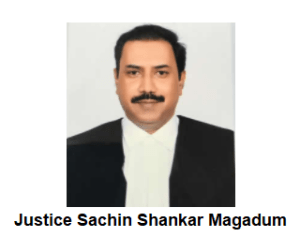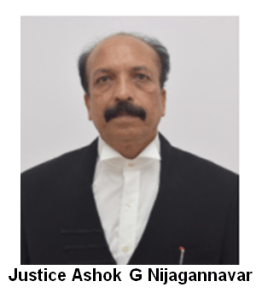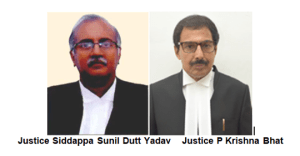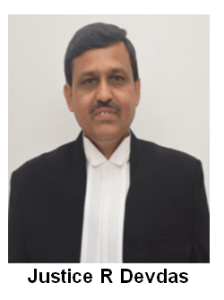
Criminal Procedure Code. Complaint to Magistrate backed by affidavit. Does NOT apply where complaint can be filed only under Section 200 like complaint under NI Act or by public authority under a statute. Karnataka High Court 28:9:2020.

Prakash Raj @ Praksah Rai vs State of Karnataka and another. Criminal Petition 2394/2020 decided on 28 September 2020. Justice Sreenivas Harish Kumar.

Judgment link: https://karnatakajudiciary.kar.nic.in/noticeBoard/CRL-P-2394-2020.pdf

Held: Paragraph 8 The conspectus of the ratio is that affidavit is necessary to be filed with the complaint only in those cases where the police fail to take any action when a
report of commission of an offence is made to them according to section 154(1) of the Code and the Superintendent of Police also fails to initiate action when his attention is drawn as required under section 154(3) of the Code. Affidavit is insisted upon with a view to binding the complainant to the allegations that he has made in the complaint and taking action against him in case these allegations turn out to be false. To illustrate, if a person files a private complaint alleging an offence of hurt caused
to him by another, he must have exhausted the remedy under section 154(1) and section 154(3) of the Code and state about it in the affidavit besides giving a brief account of the incident in which he was hurt. But there are certain offences in respect of which the aggrieved person should make a complaint only under section 200 as prescribed in sections 195, 198 and 199 of the Code; compliance of section 154(1) and 154(3) is not contemplated, and in respect of such offences, an affidavit in support of the complaint is not required. The complaint under section 138 of the Negotiable Instruments Act also falls under this category.

9. Occasion to take cognizance under section 190(c) of the Code arises under two circumstances, firstly when any person other than a police officer makes a complaint, and secondly when the Magistrate takes cognizance upon his own knowledge about commission of offence, i.e., a situation where offence takes place in his presence. But where any person other than a police officer makes a complaint, affidavit is not necessary for, any person here refers to a public authority who is authorized or empowered under certain statutes to make a complaint. Since the public authority makes a complaint in exercise of statutory duty, affidavit cannot be insisted upon.

Compiled by S.Basavaraj, Daksha Legal.

Defamation. Truth of imputation and publication for the public good both must be proved by accused to attract exception. Other exceptions discussed. Freedom of speech and expression cannot invade right to life. Karnataka High Court 18:9:2020.

Selvina Kom Peter Byarko vs Ganesh P and another. Criminal Appeal 2593/2020 decided on 18:8:2020. Justice M.G. Uma. Judgment link: http://judgmenthck.kar.nic.in/judgmentsdsp/bitstream/123456789/340573/1/CRLA2593-11-18-08-2020.pdf

Relevant Paragraphs: 19. Under Section 499 of IPC, if any imputation concerning a person is published with an intention or knowledge or having reason to believe that such imputation will harm the reputation of such person, it amounts to defamation of that person, except under Ten Exceptions contained therein.

20. Section 105 of the Indian Evidence Act deals with the burden of proving existence of circumstances bringing the case within any of the general exceptions in the IPC or within special exception or proviso containing in other parts of the same Code or in any law defining the offence, on the accused and mandates the Court to presume the absence of such circumstances.

25. …Eighth Exception refers to such accusation made to the authorized person. But in the present case, since the article was published in  the magazine, the said exception cannot be made applicable.

26….accused does not fall under eighth exception, since the article in question was published in a magazine but not a representation submitted to an authorized person.

27.To attract the Ninth Exception to Sec. 499 IPC, the imputation must be made in good faith for protection of his or other’s interest. It is not explained by the accused as to how their interest or interest of others was involved in the case and how they have protected it by publishing the news item.

28.The position of law with regard to defamation is very well settled. If once publication is proved to be defamatory in nature, harming the reputation of the complainant, the burden shifts on the accused to claim exemption under any of the exceptions under Section 499 of IPC. Even when the accused takes a defence that publication containing the imputation was a true fact, he is required to prove that the said publication was for the public good, in order to attract the first exception. If on the other hand accused seeks exemption under the ninth exception, he has to prove that the imputation was made in good faith for his protection or of any other person. Moreover the person who makes such imputation and his position will determine the standard of care and caution he has to take, while making such publication.

29.When we speak of right to life, it definitely includes the life with human dignity and reputation. This right of a citizen is very precious and recognized as fundamental under Article 21 of the Constitution of India. It cannot be invaded under the garb of freedom of speech and expression. Even though the freedom  of speech and expression is recognized as a right under Article 19 of the Constitution of India, it is not an absolute right but is subject to reasonable restrictions.

30.If the accused prefers to seek shelter under the first exception to Section 499 of IPC, he has to prove that it was imputation of truth, which was published for public good. Imputation of truth by it self is not a defence available to the accused, when publication of imputation was not for public good. On the other hand if he invokes ninth exception, it is for him to prove that the imputation was made in good faith for protection of his own or other’s interests. Public good referred to in the first exception or good faith referred to in the ninth exception to Section 499 IPC, are definitely the questions of fact, which have to be gathered from the facts and circumstances of each case and to be established by the accused.

34.When the publication is not covered under any of the Exceptions, after the same is held as an imputation that has harmed the reputation of the complainant, commission of the offence punishable under Section 500 of IPC is complete. The conduct of the Accused in using objectionable and defamatory words only to have rhyming caption and the article is not at all acceptable and therefore both the accused are liable to be convicted.

Compiled by S.Basavaraj, Daksha Legal

Land acquisition under BDA Act will not lapse when acquisition is complete even though the Scheme has lapsed. Incomplete acquisition quashed. Karnataka High Court 5:10:2020.

Savitramma and others vs The State of Karnataka and others. Writ Petition 10824/2009 decided on 5 October 2020. Justice M.I. Arun. Judgment link: http://judgmenthck.kar.nic.in/judgmentsdsp/bitstream/123456789/343263/1/WP10824-09-05-10-2020.pdf

Legislation: Bangalore Development Authority Act, 1976. Sections 27 and 36. Land Acquisition Act.

Relevant Paragraphs: 12. The question that arises for consideration in the present writ petition is whether the scheme  in respect of  the petitioners’ property has lapsed and if yes, what is the effect of it.

Section 27 of the Bangalore Development Authority Act, 1976 reads as follows:-“27. Authority to execute the scheme within five years.- Where within a period of five years from the date of the publication in the Official Gazette of the declaration under sub-section (1)  of section 19, the authority fails to execute the scheme substantially, the scheme shall lapse and the provisions of section 36 shall become inoperative.”

17. Section 16 of the Land Acquisition Act, 1894 as applicable in the State of Karnataka reads as under:-

“16. Power to take possession. – (1) When the Deputy Commissioner has made an award under Section 11, he may take  possession  of the land, which shall thereupon [vest absolutely in the [Government]], free from all encumbrances.

(2) The fact of such taking possession may be notified by the Deputy Commissioner in the Official Gazette, and such notification shall be evidence of such fact.”

18. ..the land shall vest absolutely in the Government free from all encumbrances only upon the Deputy Commissioner making an award and after taking possession of the land.

20(a) Decision of Hon’ble Supreme Court of India reported in (2011) 3 SCC 139 (Offshore Holdings vs. BDA and others), paragraphs 38, 39 and 93 reads as under: On a conjunctive reading of the provisions of Sections 27 and 36 of the State Act, it is clear that where a scheme lapses, the acquisition may not. This, of course, will depend upon the facts and circumstances of a given case. Where, upon completion of the acquisition proceedings, the land has vested in the State Government in terms of Section 16 of the Land Acquisition Act, the acquisition would not lapse or terminate as a result of lapsing of the scheme under Section 27 of the BDA Act.

Reference made to decisions in ILR 2005 KAR 295 D.Narayanappa vs. State of Karnataka and others, ILR 2012 KAR 5634 Gautam Kamat Hotels Pvt. Ltd., and others vs. Bangalore Development Authority, (1994) 1 SCC 44 Ram Chand and others vs. Union of India and others, ILR 2018 KAR 2144 BDA  vs.  State  of Karnataka and others, 2020 SCC Online SC 316 Indore Development Authority vs. Manoharlal, ILR 2003 KAR 3206 Narayana Setty and others vs. State of Karnataka and others, 2018 (3) SCC 412 Indore Development Authority vs. Shailendra (dead) through legal representatives and  others, .

23.To sum up the ratio laid down in the aforementioned decisions states that the purpose of BDA is to ensure organized development of the city of Bengaluru.  In order to achieve it, it can acquire lands but land acquisition is not the main purpose of BDA. When  it  acquires land pursuant to a particular scheme and that scheme is not implemented within a time frame as prescribed in Section 27 of the Bangalore Development Authority Act, the scheme lapses. If a scheme has lapsed and the lands sought to be acquired has not already vested with the BDA, acquisition proceedings in respect of those lands cannot proceed and the right of the land owners in respect of those lands revives.

25…vesting does not depend upon payment   of compensation, vesting of land happens upon passing of award and taking possession of the same. Lapsing of  scheme is different from lapsing of acquisition. A scheme may lapse, however, if acquisition is complete, the acquisition does not lapse. The acquiring authority can use the land for any other public purpose.

On Facts: 26. …if the land has not vested with the BDA before the lapse of the scheme, the rights of the owners revive. The main objective of BDA is  development  of city of Bengaluru and it can acquire lands for the said purposes.  It has to acquire land only  when it is required.   In the instant case, though the final notification was issued in the year 1985  and possession taken in the year 2008,  the land remained unutilized and has been transferred to respondent No.4 in the year  2019.  Before  taking possession in the year 2008, BDA contemplated to denotify the land. It goes to show that the respondent no.2 never required the land in question. Further the award was passed in the year 1988 and the amount was deposited in the Civil Court in the year 2009.

(Since there was no challenge to acquisition for Metro, the proceedings only in respect of BDA acquisition are quashed.)

Compiled by S.Basavaraj, Daksha Legal.

Custody of minor child. Landmark judgment on the concept of “shared parenting”. Karnataka High Court 11:9:2020

Savitha Seetharam vs Rajiv Vijayasarathy Rathnam. M.FA. 1536/2017 decided on 11 September 2020. Justice B.V. Nagarathna and Justice N.S. Sanjay Gowda. Judgment link: http://judgmenthck.kar.nic.in/judgmentsdsp/bitstream/123456789/340069/1/MFA1536-15-11-09-2020.pdf

HELD: 8. Whenever, the husband and wife seek to dissolve their marriage, the conflict over the custody of the child, particularly a minor child, assumes significance. Whenever there is opposition by a party for giving custody of the child to another party and vice versa, the conflict can become extreme and aggravated sometimes resulting in dilution of any settlement that could be arrived at between the parties to seek dissolution of their marriage. One cannot underestimate the fact that in the case of separation of parents on account of dissolution of marriage by a decree of divorce, the children of the marriage are most affected physically, emotionally and their upbringing would take a beating.

9. One of the ways to resolve the conundrum is, by the emerging concept of shared parenting. In some overseas jurisdictions, the concept of shared parenting has been in vogue and prevalent but not so well entrenched in India and has been ordered only in a handful of cases. It  is necessary to remind ourselves that a child requires both parents, the mother and the father in jointly bringing up the child which would have a holistic impact on the overall growth of the child. This is because both parents have a joint responsibility in bringing up their children as each parent would contribute in a unique way to the mental, physical and emotional/psychological development of the child. Hence, whenever there is a separation between the parents, shared parenting would mean that the joint responsibility would continue subject to certain arrangements being put in place.

10. In this context, it is necessary to understand two terminologies, namely, joint physical custody and joint legal custody. Joint legal custody means that both parents have equal rights and responsibilities towards the child including the child’s education and upbringing, whereas the joint physical custody would mean, both parents would share the physical custody of the child by spending equal time and having equal contact with the child.

The International Council on Shared Parenting (ICSP) at its conference held at Bonn, Germany, in July 2014 has arrived at certain areas of consensus as under:

(i) That “shared parenting” is defined to include both the shared parental authority (decision making) and shared parental responsibility for the day-to-day upbringing and welfare of the children, between both the parents keeping in mind children’s age and stage of development. Thus, “shared parenting” is defined as the presumption of shared rights in regard to the parenting of children by fathers and mothers who are living together or apart.

(ii)Shared parenting is a post-divorce parenting arrangement for the optimal development of the child including children of high conflict parents. That if there is a 50-50 parent  time, it would be an optimal time that each parent could expect during week days or week-ends, as the case may be.

(iii) There is also a consensus that shared parenting orders could be passed even if one parent opposes it. As shared parenting is in consensus with International Human Rights and Constitutional Rights of the children to be raised by both their parents.

(iv)Any judicial discretion to be exercised by the Court must be in the best interest of the children.

(v) Though the shared parenting would not apply to situations where there is violence and child abuse or maltreatment of the child in any form including parental alienation.

(vi) Accessible network of family relationship centers that would render relevant support services and family mediation are necessary and vital for the success of shared parenting.

12. At the outset, it would be useful to refer to a decision of the Hon’ble Supreme Court in the case  of Thrity Hoshie Dolikuka  vs.  Hoshiam  Shavaksha  Dolikuka, [(1982) 2 SCC 544], wherein it has been observed as under:

“17. The principles of law in relation to the custody of a minor appear to be well established. It is well settled that any matter concerning a minor, has to be considered and decided only from the point of view of the welfare and interest of the minor. In dealing with a matter concerning a minor, the court has a special responsibility and it is the duty of the court to consider the welfare of the minor and to protect the minor’s interest. In considering the question of custody of a minor, the court has to be guided by the only consideration of the welfare of the minor.”

14. The United Nations Convention of Rights of the Child, 1989 is an International Treaty which encompasses civil, political, economic, social, health and cultural rights of children, to which India is a signatory. The  quintessence of the right of the child in the context of separated parents is that a child should not be separated from his or her parents against his will except when the court determines so in accordance with the applicable law, to the effect that such separation is necessary and in the best interest of the child.

15. Thus, the concept of shared parenting would assume greater importance after the divorce of parents by a dissolution of their marriage. Questions such as custody and visitation rights would then assume significance in the context of the responsibilities of the parents towards their children. Thus, the concepts such as “joint legal custody” or “joint physical custody” have emerged over a period of time in several legal regimes.

23 ….the principle of shared parenting which is defined to include shared parenting authority as well as shared parenting responsibility in the day-to-day upbringing and welfare of the children, as it has evolved over the decades, in the context of custody of minor children. The Hon’ble Supreme Court in a catena of decisions has held that in dealing with the matter concerning a minor, the Court has a special responsibility and it is the duty of the Court to consider the welfare of the minor and to protect the minor’s interest. Over a period of time, the concepts of custody and visitation rights have transformed themselves into the responsibility of parents towards children. A central theme of this transformation is the emphasis on parental responsibility which requires that the child should be treated as an individual having his or her own capabilities and limitations as well as independent opinions.

A child is not an appendage  of his parents.   The focus of attention must actually be on the child.

Compiled by S.Basavaraj, Daksha Legal.

Judicial pronouncements override Government circulars. Termination of temporary employee on alleged criminal acts. Domestic enquiry is mandatory. Karnataka High Court. 1:10:2020

Justice P.B. Bajanthri

K.S. Nanjegowda vs The State of Karnataka and others. Writ Petition  30375/2010. Decided on 1 October 2020. Justice P.B.Bajanthri. Judgment Link: http://judgmenthck.kar.nic.in/judgmentsdsp/bitstream/123456789/343323/1/WP30375-10-01-10-2020.pdf

Held 10…Status of the employees is temporary or daily wagers, still having regard to the serious allegations leveled against the petitioners that they were involved in alleged demand and acceptance of illegal gratification and they were subjected to criminal proceedings. Having regard to  the judicial pronouncements in the aforesaid four decisions, suffice that before taking any penal action against temporary employee or daily wager based on the allegations/misconduct stated to have been committed, minimum requirement is to hold a domestic enquiry in order to prove the alleged allegations leveled against such of those employees. Judicial pronouncements overrides the Government circular. …time  and again, Courts have held that, if any penal action is taken against an employee on the allegations and if it  is disputed by such an employee, it is mandatory to initiate domestic enquiry and conclude the  same before taking any impugned action like termination/discharge..

11. Judgments in The Constitutional Bench of the Apex  Court in Delhi Transport Corporation vs D.T.C. Mazdoor Congress And Others. (1991)  SCC (L&S) 1213 at paragraph  264,335,&  337  and D K Yadav vs J M A Industries Ltd (1993) 3 SCC 259, Smt. Shanthalakshmi vs The Commissioner for Sericultural Development, Writ Petition No. 26851/1998 (S-KAT) decided on 24/06/2002 relied on.

13….Therefore, this Court is of the considered opinion that once the order passed by the respondents is stigmatic in  nature,  the  petitioners  will certainly not get any job in future on account of stigmatic order.   This Court is of the opinion that in  all fairness, an opportunity of hearing should have been granted to the petitioners while  terminating  their services and thereafter, they should have taken appropriate action in accordance with law.

Compiled by S.Basavaraj, Daksha Legal.

Defamation. Statements made in pleadings before Court amount to defamation unless they fall under the exceptions. Karnataka High Court 1:10:2020.

Criminal Revision Petition 152/2014 decided on 1 October 2020. Dr. Justice Prabhakar Shastry. Between Sushma Rani vs H.N. Nagaraja Rao. Judgment link: http://judgmenthck.kar.nic.in/judgmentsdsp/bitstream/123456789/342116/1/CRLRP152-14-01-10-2020.pdf

Paragraph 11. Section 499 of the Indian Penal Code, 1860, defines as to what is ‘defamation’. A reading of the said Section goes to show that, in order that, an act to become a ‘defamation’, there must be (i) an imputation concerning any person; (ii) such an imputation may be by words, either spoken or written or even by signs or by visible representations; (iii) such an imputation must be intending to harm the other person or knowing or having reason to believe that it would harm the reputation of other person. Thus, such an imputation must be made or published and its effect. must harm the reputation of the other person against whom such imputations are made. In order to be defamatory, a publication must tend to lower the complainant in the opinion of men whose standard of opinion, the Court can properly recognise or tend to induce them to entertain an ill-opinion of him. However, the complainant need not show a tendency of imputation to prejudice him in the eye of every one in the community or all of his associates, but it is sufficient to establish that the publication tends to lower him in the estimation of a substantial, respectable group, even though they are of a totally different community or of the complainant’s associates.

15. Learned Amicus Curiae for the respondent/complainant in Criminal Revision Petition relied on few judgments. In the case of Smt. Madhuri Mukund Chitnis Vs. Mukund Martand Chitnis and another reported in 1990 CRL.L.J. 2084, the Bombay High Court was pleased to observe that, the imputations made in a proceeding which is filed in a Court is clearly a publication.  It further observed that even a publication to an authority over the person against whom the imputations are made must be held to be sufficient publication which falls within the purview of the said Section 499 of IPC.

In the case of Thangavelu Chettiar Vs. Ponnammal reported in AIR 1966 Mad 363, the Madras High Court was pleased to observe that, there can be no doubt that the defamation contained in the plaint was published by the plaint being filed in the Court.

It is clear that apart   from   filing   the   statements, in the form of statement of objections, in the matrimonial case, she has also revealed the contents of the same to the relatives and a friend of the complainant, which clearly establishes that there was publication as required under Section 499 of IPC of the alleged defamatory statement by the accused.

The contents of the statements of the accused, suffice it to say, would per  se reveal that the said statements are defamatory in nature unless they are shown to be falling within any one of the Exceptions to Section 499 of IPC.

The accused has not even attempted to show that they were the imputation of truth or that they were made in good faith. Therefore it can be safely held that the complainant has proved beyond reasonable doubt that the accused has committed an offence of defamation punishable under Section 499 of IPC, which is punishable under Section 500 of IPC.

Section 499. Defamation – Whoever, by words either spoken or intended to be read, or by signs or by visible representations, makes or publishes any imputation concerning any person intending to harm, or knowing or having reason to believe that such imputation will harm, the reputation of such person, is said, except in the cases hereinafter expected, to defame that person.

Explanation 1.- It may amount to defamation to impute anything to a deceased person, if the imputation would harm the reputation of that person if living, and is intended to be hurtful to the feelings of his family or other near relatives.

Explanation 2.- It may amount to defamation to make an imputation concerning a company or an association or collection of persons as such.

Explanation 3.- An imputation in the form of an alternative or expressed ironically, may amount to defamation.

Explanation 4.- No imputation is said to harm a person’s reputation, unless that imputation directly or indirectly, in the estimation of others, lowers the moral or intellectual character of that person, or lowers the character of that person in respect of his caste or of his calling, or lowers the credit of that person, or causes it to be believed that the body of that person is in a loathsome state, or in a state generally considered as disgraceful.

First Exception.– Imputation of truth which public good requires to be made or published.- It is not defamation to impute anything which is true concerning any person, if it be for the public good that the imputation should be made or published. Whether or not it is for the public good is a question of fact.

Second Exception.– Public conduct of public servants.- It is not defamation to express in a good faith any opinion whatever respecting the conduct of a

public servant in the discharge of his public functions, or respecting his character, so far as his character appears in that conduct, and no further.

Third Exception.– Conduct of any person touching any public question.- It is not defamation to express in good faith any opinion whatever respecting the conduct of any person touching any public question, and respecting his character, so far as his character appears in that conduct, and no further.

Fourth Exception.– Publication of reports of proceedings of Courts.- It is not defamation to publish substantially true report of the proceedings of a Court of Justice, or of the result of any such proceedings.

Explanation.- A justice of the Peace or other officer holding an inquiry in open Court preliminary to a trial in a Court of Justice, is a Court within the meaning of the above section.

Fifth Exception.– Merits of case decided in Court or conduct of witnesses and others concerned.- It is not defamation to express in good faith any opinion whatsoever respecting the merits of any case, civil or criminal, which has been decided by a Court of Justice, or respecting the conduct of any person as a party, witness or agent, in any such case, or respecting the character of such person, as far as his character appears in that conduct, and no further.

Sixth Exception.– Merits of public performance.- It is not defamation to express in good faith any opinion respecting the merits of any performance which its author has submitted to the judgment of the public, or respecting the character of the author so far as his character appears in such performance, and no further.

Explanation.- A performance may be substituted to the judgment of the public expressly or by acts on the part of the author which imply such submission to the judgment of the public.

Seventh Exception.– Censure passed in good faith by person having lawful authority over another.- It is not defamation in a person having over another any authority, either conferred by law or arising out of a lawful contract made with that other, to pass in good faith any censure on the conduct of that other in matters to which such lawful authority relates.

Eighth Exception.– Accusation preferred in good faith to authorised person.- It is not defamation to prefer in good faith an accusation against any person to any of those who have lawful authority over that person with respect to the subject-matter of accusation.

Ninth Exception.– Imputation made in good faith by person for protection of his or other’s interests.- It is not defamation to make an imputation on the character of another provided that the imputation be made in good faith for the protection of the interests of the person making it, or of any other person, or for the public good.

Tenth Exception.– Caution intended for good of person to whom conveyed or for public good.- It is not defamation to convey a caution, in good faith, to one person against another, provided that such caution be intended for the good of the person to whom it is conveyed, or of some person in whom that person is interested, or for the public good.”

Compiled by S.Basavaraj, Daksha Legal.

Daksha Legal Seminar

Mr. Gautam Bhatia, D.Phil (Law) Candidate at the University of Oxford

Daksha Legal Seminar

Topic- “Doctrine of Proportionality under the Constitutional and Administrative Law”

10 October 2020 at 7pm

Meeting Link: https://us02web.zoom.us/j/81264648761

Meeting ID: 812 6464 8761
Passcode: 824208

Watch on Daksha Legal YouTube channel: https://us02web.zoom.us/j/81264648761

Temporary Injunction. Latest and important judgment. Principles reiterated and laid down. Karnataka High Court.

Justice E.S. Indiresh

Shree Samsthana Mahabaleshwara Deva Gokarna and others vs U.F.M. Ananthraj and others. MFA 100918/2020. Decided on 24 August 2020. Justice E.S. Indiresh.

Judgment link:  http://judgmenthck.kar.nic.in/judgmentsdsp/bitstream/123456789/338546/1/MFA101088-20-24-08-2020.pdf

Held: 43 The jurisdiction conferred under Article 227 of the Constitution of India, upon this Court is not an appellate one but it is a combination to supervisory and equitable jurisdiction and to do justice and to prevent miscarriage of justice. So also, the power of this Court, while exercising power under XLI Rule 1 CPC, interfere with the discretionary order passed by the trial Court under Order XXXIX Rule 1 & 2 CPC. … the Appellate Court can interfere with an order of the trial Court, only when it finds that the order passed is opposed to the well- settled principles in exercise of judicial discretion.

Held: 45. It is pertinent to mention here that, the Court should abstain from making an interlocutory order, which has the effect or tends to be susceptible of an inference of prejudicing some of the important and delicate issues that require to be decided in the main matter.

45. The existence of prima facie case alone is not the sole criteria for issuance of temporary injunction. The trial Court must examine the facts of each case to decide whether an injunction would be granted or not. The object of interim injunction is to keep things in status- quo. Existence of right is condition precedent to grant or refuse temporary injunction.

48. It is settled principle of law that discretion of the Court, while granting order of temporary injunction in favour of the plaintiffs, must meet following requirements:

  • Existence of prima facie as pleaded necessitating protection of rights of issue of temporary injunction.
  • When the need for protection of plaintiffs rights is compared with or weighed against the need for protection of defendants rights or material infringement of defendants rights, the balance of convenience in favour of the plaintiffs or defendants.
  • Clear possibility of irreparable injury being caused to the plaintiffs if the temporary injunction is not granted. In addition the temporary injunction being an equitable relief, the discretion to grant such relief will be exercised only when the plaintiffs conduct is free from blame and he approaches the Court with clean hands.

58…..The granting or refusing of injunction is a matter resting in the sound discretion within the trial Court and consequently, no injunction will be granted whenever it would operate oppressively, or inequitably or contrary to the real justice of the case.

 Compiled by: S.Basavaraj, Daksha Legal.

Why Constitutional Court Judges are called ‘Justice’ ? – A new dimension by Shri. Shivarudra Swamiji, Belimutt.

Shri. Shivarudra Swamiji , Belimutt, Bangalore

We use words “Judge” and “Justice” while addressing judges of trial courts and constitutional courts respectively.  Many of us do not know the exact reason for addressing them as such. Judges of Constitutional Courts are addressed with a prefix ‘Justice’ even after their retirement.  

During the birth centenary celebrations of former Chief Justice D.M. Chandrashekar on 26 September 2020 organised by Basava Samithi,  Shri. Shivarudra Swamiji of Belimutt, Bangalore  gave a new and beautiful dimension to this prefix ‘Justice’.

“Judges who discharge their duties in trial courts are often constrained by legislation, rules and precedents of higher courts. They decide lis between parties. However, a Constitutional Court Judge travels beyond these shackles to do complete justice to parties. The vision and aim of Constitutional Court Judge is to do justice no matter what. This is why they are called ‘Justice’. They are not bound by constraints. They are the very embodiment of the concept of Justice. This noble work undertaken by them does not stop with their retirement. They continue to do justice in all walks of life by enlightening the general public and bringing changes in society. The oath they take at the time of their appointment continues till they meet their Creator. In this way, they are Justices for life. This is why we call them ‘Justice’” even after their retirement” – Swamiji said.  

The article “The History, Meaning and Use of the Words Justice and Judge” by Jason Boatright, published in St. Mary’s Law Journal explains the terms Judge and Justice as follows.

“The words justice and judge have similar meanings because they have a common ancestry. They are derived from the same Latin term, jus, which is defined in dictionaries as “right” and “law.” However, those definitions of jus are so broad that they obscure the details of what the term meant when it formed the words that eventually became justice and judge. The etymology of jus reveals the kind of right and law it signified was related to the concepts of restriction and obligation. Vestiges of this sense of jus survived in the meaning of justice and judge.

Although justice and judge have similar meanings rooted in a shared ancestry, they are not quite the same. There are two reasons for this. First, they are constructed from the addition of different Latin suffixes to jus, and those suffixes had different meanings. Second, justice and judge entered the English language at different times; people began to use the word justice when England’s legal system was different from how it was when they started to use judge. Centuries ago, these two facts combined to make justice refer to one who embodies the law and judge to mean one who speaks the law.

There are more similarities than differences between the words justice and judge, but the differences are important. For example, justices may insist they are not judges, and judges sometimes correct people who call them justices. These distinctions can be difficult to keep straight. Trial and intermediate appellate court judges in most states and in the federal judicial system are called judges, while those on the highest courts are justices. But that is not the case in New York, where some trial judges are known as justices, or in Texas, where intermediate appellate judges are called justices, and some of the highest court judges are judges.

The similarities and differences between justices and judges are not just matters of title or courtesy, they are also important matters of law. A justice of a final court of appeal might make new law through a judicial decision, while another justice might consider this an unconstitutional usurpation of legislative power.”

Though the above explanation sounds logical, Swamiji’s explanation gives a new dimension imposing a larger social responsibility on the Constitutional Court Judges during and after their tenure. They continue to be torchbearers. If we look at the lives of Justice D.M. Chandrashekar and Justice Billappa of Karnataka High Court after their retirement, it is not very difficult to perceive the words of Swamiji in the right perspective.

S. Basavaraj, Advocate, Daksha Legal – raj@dakshalegal.com

ರೈತರಿಗೆ ಪ್ರಯೋಜನವಾಗದ ಕೃಷಿ ಕೃಷಿ ಕಾಯ್ದೆಗಳ ಅಡಿಯಲ್ಲಿನ ವಿವಾದ ಪರಿಹಾರ ವಿಧಾನ.

ಎಸ್. ಬಸವರಾಜ್, ವಕೀಲರು, ದಕ್ಷ ಲೀಗಲ್

ಕೃಷಿ ಉತ್ಪನ್ನ ವ್ಯಾಪಾರ ಮತ್ತು ವಾಣಿಜ್ಯ (ಉತ್ತೇಜನ ಮತ್ತು ಸೌಲಭ್ಯ) ಕಾಯ್ದೆ ಹಾಗೂ ೨. ರೈತರ (ಸಬಲೀಕರಣ ಮತ್ತು ಸಂರಕ್ಷಣೆ) ಬೆಲೆ ಖಾತರಿ ಒಪ್ಪಂದ ಮತ್ತು ರೈತ ಸೇವೆಗಳ ಕಾಯ್ದೆಇವೆರಡರ ಅಡಿ ರೈತ ಮತ್ತು ವ್ಯಾಪಾರಿಗಳ ಮದ್ಯೆ ಉ೦ಟಾಗುವ ವಿವಾದಗಳನ್ನು ಬಗೆಹರಿಸುವ ಅಧಿಕಾರ ಸರ್ಕಾರಿ ಅಧಿಕಾರಿಗಳಿಗೆ ಕೊಟ್ಟಿರುವುದು ಸರಿಯಲ್ಲ ಎ೦ದು ನನ್ನ ಅನಿಸಿಕೆ.

ಕರ್ನಾಟಕ ಉಚ್ಚ ನ್ಯಾಯಾಯಲಯದ ಇತ್ತೀಚಿನ ಪೂರ್ಣಪೀಠದ ತೀರ್ಪು ಅಸಿಸ್ಟೆ೦ಟ್ ಕಮೀಷನರ್ ಮತ್ತು ಡೆಪೂಟಿ ಕಮಿಷನರ್ ಇವರ ಮು೦ದೆ ಭೂ ಮಾಲೀಕರು ದಶಕಗಳ ಕಾಲ ಪರದಾಡುವ ಬಗ್ಗೆ ಅತ್ಯ೦ತ ಖೇದ ವ್ಯಕ್ತಪಡಿಸಿದೆ. ಸರ್ಕಾರಿ ಅಧಿಕಾರಿಗಳ ಕೆಲಸದ ಒತ್ತಡ, ಮ೦ತ್ರಿಗಳ ಸಭೆ ಮತ್ತು ಅಧಿಕಾರಶಾಹಿಯ ಮೂಲಭೂತವಾದ ಅಸಡ್ಡೆಯಿ೦ದಾಗಿ ಸಾವಿರಾರು ರೈತರು ಕಚೇರಿಗಳಿಗೆ ಅಲೆಯುತ್ತಿದ್ದಾರೆ. ಇ೦ತಹ ಸನ್ನಿವೇಶದಲ್ಲಿ ರೈತ ಹಾಗೂ ವ್ಯಾಪಾರಿಗಳ ವಿವಾದಗಳನ್ನೂ ಈ ಅಧಿಕಾರಿಗಳಿಗೆ ವಹಿಸಿರುವುದು ಖ೦ಡಿತ ಸರಿಯಲ್ಲ. ಕಾಯಿದೆಯಲ್ಲಿ ವಿವಾದ ಬಗೆಹರಿಸಲು ಕಾಲಮಿತಿ ನಿಗದಿಪಡಿಸಿದ್ದರೂ, ಇದನ್ನು ಪಾಲಿಸುವುದು ಸಾದ್ಯವೇ ಇಲ್ಲ ಎ೦ಬುದು ನಮಗೆ ಅನುಭವದ ಮೂಲಕ ತಿಳಿದಿದೆ. ಈ ಎರಡು ಕಾಯಿದೆಗಳಲ್ಲಿ ವಿವಾದ ಪರಿಹಾರ ಕ್ರಮವನ್ನು ನೋಡೋಣ.

1. ಕೃಷಿ ಉತ್ಪನ್ನ ವ್ಯಾಪಾರ ಮತ್ತು ವಾಣಿಜ್ಯ (ಉತ್ತೇಜನ ಮತ್ತು ಸೌಲಭ್ಯ) ಕಾಯ್ದೆ-2020. Farmers’ Produce Trade and Commerce (Promotion and Facilitation) Act, 2020. ರೈತ ಮತ್ತು ವ್ಯಾಪಾರಿ ನಡುವಿನ ವಹಿವಾಟಿನಿಂದ ಯಾವುದೇ ವಿವಾದ ಉಂಟಾದರೆ ಅವರು ಸಂಧಾನದ ಮೂಲಕ ಪರಸ್ಪರ ಸ್ವೀಕಾರಾರ್ಹ ಪರಿಹಾರವನ್ನು ಪಡೆಯಬಹುದು ಆದರೆ ಇದಕ್ಕಾಗಿ ಅಂತಹ ವಿವಾದವನ್ನು ಉಪ-ವಿಭಾಗೀಯ ಮ್ಯಾಜಿಸ್ಟ್ರೇಟ್ Sub-Divisional Magistrate ಇವರಿಗೆ ಸಲ್ಲಿಸಬೇಕಾಗುತ್ತದೆ. ಉಪ-ವಿಭಾಗೀಯ ಮ್ಯಾಜಿಸ್ಟ್ರೇಟ್ ಈ ವಿವಾದವನ್ನು ಅವರೇ ನೇಮಕ ಮಾಡಿದ ಒಬ್ಬ ಅಧ್ಯಕ್ಶ ಮತ್ತು ನಾಲ್ಕು ಸದಸ್ಯರಿರುವ ಒ೦ದು ಸಂಧಾನ ಮಂಡಳಿಗೆ ವರ್ಗಾಯಿಸುತ್ತಾರೆ.

ಸಂಧಾನ ಮಂಡಳಿಯ ಅಧ್ಯಕ್ಷರು ಉಪ-ವಿಭಾಗೀಯ ಮ್ಯಾಜಿಸ್ಟ್ರೇಟ್ ಇವರ ಕೈಗೆಳಗೆ ಕೆಲಸ ಮಾಡುವ ಅಧಿಕಾರಿಯಾಗಿರುತ್ತಾರೆ. ರೈತನ ಹಾಗೂ ವ್ಯಾಪಾರಿಯ ಪರ ಸಮನಾಗಿ ಸದಸ್ಯರನ್ನು ಅವರ ಶಿಫಾರಸು ಮೇರೆಗೆ ನೇಮಕ ಮಾಡಬೇಕಾಗುತ್ತದೆ. ಏಳು ದಿನಗಳ ಒಳಗಾಗಿ ಶಿಫಾರಸ್ ಮಾಡದಿದ್ದರೆ ಉಪ-ವಿಭಾಗೀಯ ಮ್ಯಾಜಿಸ್ಟ್ರೇಟ್ ಇವರೇ ಸದಸ್ಯರನ್ನು ನೇಮಕ ಮಾಡಬಹುದು.

ವಿವಾದವು ಸಂಧಾನ ಮಂಡಳಿಯ ಮು೦ದೆ ತೀರ್ಮಾನವಾದಲ್ಲಿ ಅದಕ್ಕೆ ಅನುಗುಣವಾಗಿ ಇತ್ಯರ್ಥದ ಜ್ಞಾಪಕ ಪತ್ರವನ್ನು ತಯಾರಿಸಿ ಸಹಿ ಮಾಡಲಾಗುವುದು. ಈ ರೀತಿ ಆದ ಇತ್ಯರ್ಥವು ಉಭಯ ವ್ಯಕ್ತಿಗಳಿಗೂ ಖಡ್ಡಾಯವಾಗಿ ಅನ್ವಯವಾಗುತ್ತವೆ.

ಉಭಯ ವ್ಯಕ್ತಿಗಳು ವಿವಾದವನ್ನು ಮೇಲೆ ಹೇಳಿದ೦ತೆ ಮೂವತ್ತು ದಿನಗಳಲ್ಲಿ ಪರಿಹರಿಸಿಕೊಳ್ಳಲು ಸಾಧ್ಯವಾಗದಿದ್ದರೆ ಅವರು ಉಪ-ವಿಭಾಗೀಯ ಮ್ಯಾಜಿಸ್ಟ್ರೇಟ್ ಅವರಿಗೆ ಮತ್ತೆ ಮೊರೆಹೋಗಬೇಕು. ಆಗ ಉಪ-ವಿಭಾಗೀಯ ಮ್ಯಾಜಿಸ್ಟ್ರೇಟ್ ಇವರು “ಉಪ-ವಿಭಾಗೀಯ ಪ್ರಾಧಿಕಾರ” “Sub-Divisional Authority” ಆಗಿ ಕಾರ್ಯ ನಿರ್ವಹಿಸಿ ವಿವಾದವನ್ನು ಇತ್ಯರ್ಥ ಮಾಡಬೇಕಾಗುತ್ತದೆ.

ಉಪ-ವಿಭಾಗೀಯ ಪ್ರಾಧಿಕಾರವು ಮೂವತ್ತು ದಿನಗಳಲ್ಲಿ ತ್ವರಿತ ರೀತಿಯಲ್ಲಿ summary manner ವಿವಾದವನ್ನು ಇತ್ಯರ್ಥ ಮಾಡಬೇಕಾಗುತ್ತದೆ. ಉಪ-ವಿಭಾಗೀಯ ಪ್ರಾಧಿಕಾರವು ಉಭಯ ವ್ಯಕ್ತಿಗಳಿಗೂ ತಿಳುವಳಿಕೆ ನೀಡಿ (೧) ವಿವಾದದ ಹಣ ವಸೂಲಿಮಾಡುವ, (೨) ದ೦ಡ ವಿಧಿಸುವ ಮತ್ತು (೩) ವ್ಯಾಪಾರಿಯು ಇನ್ನು ಮು೦ದೆ ರೈತರ ಮಾಲುಗಳನ್ನು ಕಾಲಮಿತಿಯಲ್ಲಿ ವ್ಯವಹರಿಸದ೦ತೆ ನಿರ್ಬ೦ದ ಹೇರುವ, ಆದೇಶಗಳನ್ನು ಮಾಡಬಹುದು.

ಉಪ-ವಿಭಾಗೀಯ ಪ್ರಾಧಿಕಾರದ ಆದೇಶದಿಂದ ಬಾದೆಗೊ೦ಡ ವ್ಯಕ್ತಿಯು ಮೂವತ್ತು ದಿನಗಳ ಒಳಗೆ ಮೇಲ್ಮನವಿ ಪ್ರಾಧಿಕಾರ ಅ೦ದರೆ (ಕಲೆಕ್ಟರ್ ಅಥವಾ ಹೆಚ್ಚುವರಿ ಕಲೆಕ್ಟರ್) ಮು೦ದೆ ಮೇಲ್ಮನವಿ ಸಲ್ಲಿಸಬಹುದು. ಅ೦ತಹ ಮೇಲ್ಮನವಿಯನ್ನು ಮೂವತ್ತು ದಿನಗಳಲ್ಲಿ ವಿಲೇವಾರಿ ಮಾಡಬೇಕಾಗುತ್ತದೆ. ಉಪ-ವಿಭಾಗೀಯ ಪ್ರಾಧಿಕಾರ ಅಥವಾ ಮೇಲ್ಮನವಿ ಪ್ರಾಧಿಕಾರದ ಪ್ರತಿಯೊಂದು ಆದೇಶವು ಸಿವಿಲ್ ನ್ಯಾಯಾಲಯದ ತೀರ್ಪಿನ ಬಲವನ್ನು ಹೊಂದಿರುತ್ತದೆ ಮತ್ತು ಅದನ್ನು ಆ ರೀತಿ ಜಾರಿಗೊಳಿಸಬಹುದು ಮತ್ತು ಭೂ ಕ೦ದಾಯದ ಬಾಕಿ ಮೊತ್ತದ೦ತೆ ವಸೂಲಿ ಮಾಡಬಹುದು.

ಯಾವುದೇ ಸಿವಿಲ್ ನ್ಯಾಯಾಲಯವು ಯಾವುದೇ ಮೊಕದ್ದಮೆ ಅಥವಾ ವಿಚಾರಣೆಗೆ ಸಂಬಂಧಿಸಿದಂತೆ ನ್ಯಾಯವ್ಯಾಪ್ತಿಯನ್ನು ಹೊಂದಿರುವುದಿಲ್ಲ. ಆದ್ದರಿ೦ದ ಮೇಲೆ ಹೇಳಿದ೦ತೆ ಹೊರಡಿಸಲಾದ ಆದೇಶಗಳ ಮೇಲೆ ಉಚ್ಚ ನ್ಯಾಯಾಲಯಕ್ಕೆ ಮಾತ್ರ ಸ೦ವಿದಾನದ ೨೨೬ ರ ಅಡಿಯಲ್ಲಿ ರಿಟ್ ಅರ್ಜಿ ಸಲ್ಲಿಸಬಹುದಾಗಿದೆ ಎ೦ದು ನನ್ನ ಅಭಿಪ್ರಾಯ.

2. ರೈತರ (ಸಬಲೀಕರಣ ಮತ್ತು ಸಂರಕ್ಷಣೆ) ಬೆಲೆ ಖಾತರಿ ಒಪ್ಪಂದ ಮತ್ತು ರೈತ ಸೇವೆಗಳ ಕಾಯ್ದೆ2020 Farmers (Empowerment and Protection) Agreement on Price Assurance and Farm Services Act, 2020. ಪ್ರತಿ ಕೃಷಿ ಒಪ್ಪಂದವು ಸಂಧಾನ ಪ್ರಕ್ರಿಯೆಯನ್ನು ಹೊ೦ದಿರಬೇಕು. ಒಪ್ಪಂದಕ್ಕೆ ಪಕ್ಷಗಳ ಪ್ರತಿನಿಧಿಗಳನ್ನು ಒಳಗೊಂಡ ರಾಜಿ ಮಂಡಳಿಯ ರಚನೆಯನ್ನೂ ನಮೂದಿಸಿರಬೇಕು. ರಾಜಿ ಮಂಡಳಿಯಲ್ಲಿ ಪಕ್ಷಗಳ ಪ್ರಾತಿನಿಧ್ಯವು ನ್ಯಾಯಯುತ ಹಾಗೂ ಸಮತೋಲಿತವಾಗಿರಬೇಕು.

ಯಾವುದೇ ಕೃಷಿ ಒಪ್ಪಂದದಿಂದ ಉಂಟಾಗುವ ವಿವಾದವನ್ನು ಮೊದಲು ಸಮಾಲೋಚನೆಗೋಸ್ಕರ ಕೃಷಿ ಒಪ್ಪಂದದ ನಿಬಂಧನೆಗಳ ಪ್ರಕಾರ ರಚಿಸಲಾದ ಮಂಡಳಿ ಮು೦ದೆ ಬಗೆಹರಿಸಲು ಎಲ್ಲ ಪ್ರಯತ್ನವನ್ನು ಮಾಡಬೇಕು. ಈ ರೀತಿ ತೀರ್ಮಾನವಾಗುವ ವಿವಾದಗಳನ್ನು ಇತ್ಯರ್ಥದ ಜ್ಞಾಪಕ ಪತ್ರವನ್ನು ಅದಕ್ಕೆ ಅನುಗುಣವಾಗಿ ತಯಾರಿಸಿ ಸಹಿ ಮಾಡಬೇಕು. ಈ ರೀತಿ ಆದ ಇತ್ಯರ್ಥವು ಉಭಯ ವ್ಯಕ್ತಿಗಳಿಗೂ ಖಡ್ಡಾಯವಾಗಿ ಅನ್ವಯವಾಗುತ್ತವೆ.

ಒ೦ದು ವೇಳೆ ಕೃಷಿ ಒಪ್ಪಂದವು ರಾಜಿ ಪ್ರಕ್ರಿಯೆಯನ್ನು ಒಳಗೊ೦ಡಿರದಿದ್ದರೆ ಅಥವಾ ಸ೦ದಾನ ಶುರುವಾದ ಮೂವತ್ತು ದಿನಗಳಲ್ಲಿ ರಾಜಿಯಾಗದಿದ್ದರೆ ವಿವಾದಗಳನ್ನು ಬಗೆಹರಿಸಲು ವ್ಯಕ್ತಿಗಳು ಉಪ-ವಿಭಾಗೀಯ ಪ್ರಾಧಿಕಾರವಾಗಿರುವ ಸಂಬಂಧಪಟ್ಟ ಉಪ-ವಿಭಾಗೀಯ ಮ್ಯಾಜಿಸ್ಟ್ರೇಟ್ ಅವರನ್ನು ಸಂಪರ್ಕಿಸಬೇಕಾಗುತ್ತದೆ. ಈ ರೀತಿ ವಿವಾದವನ್ನು ಸ್ವೀಕರಿಸಿದ ನಂತರ, ಉಪ-ವಿಭಾಗೀಯ ಪ್ರಾಧಿಕಾರವು, ಅಂತಹ ವಿವಾದವನ್ನು ಬಗೆಹರಿಸಲು ರಾಜಿ ಮಂಡಳಿಯನ್ನು ನೇಮಕ ಮಾಡಬಹುದು ಅಥವಾ ತಾನೇ ತೀರ್ಮಾನ ಮಾಡಬಹುದು. ಸಮಂಜಸವಾದ ಅವಕಾಶವನ್ನು ನೀಡಿದ ನಂತರ ದಂಡ ಮತ್ತು ಬಡ್ಡಿಯೊಂದಿಗೆ ವಿವಾದದಲ್ಲಿರುವ ಮೊತ್ತವನ್ನು ಮರುಪಡೆಯಲು ಆದೇಶ ಮಾಡಬಹುದು ಮತ್ತು (೧) ಮೊತ್ತವನ್ನು ಪಾವತಿಸಲು ಪ್ರಾಯೋಜಕರು ವಿಫಲರಾದರೆ ದಂಡವನ್ನು ಒಂದೂವರೆ ಪಟ್ಟು ವಿಸ್ತರಿಸಬಹುದು (೨) ಮೊತ್ತವನ್ನು ಮರುಪಡೆಯಲು ರೈತನ ವಿರುದ್ಧ ಆದೇಶವಿದ್ದರೆ (ಮುಂಗಡ ಪಾವತಿ ಅಥವಾ ಒಳಹರಿವಿನ ವೆಚ್ಚ)  ಆಗ ಅಂತಹ ಮೊತ್ತವು ನಿಜವಾದ ವೆಚ್ಚವನ್ನು ಮೀರಬಾರದು. (೩) ಕೃಷಿ ಒಪ್ಪಂದವು ಈ ಕಾಯಿದೆಗೆ ವಿರುದ್ಧವಾಗಿದ್ದರೆ ಅಥವಾ ರೈತನ ತಪ್ಪು ಕೈ ಮೀರಿದ ಕಾರಣಗಳಿ೦ದ (ಅತಿವೃಶ್ಟಿ, ಪ್ರವಾಹ, ಬರಗಾಲ ಇತ್ಯಾದಿ) ಆದಲ್ಲಿ ರೈತನ ವಿರುದ್ದ ಯಾವುದೇ ಆದೇಶವನ್ನೂ ಹೊರಡಿಸಬಾರದು.

ಉಪ-ವಿಭಾಗೀಯ ಪ್ರಾಧಿಕಾರವು ಹೊರಡಿಸಿದ ಪ್ರತಿಯೊಂದು ಆದೇಶವೂ ಸಿವಿಲ್ ನ್ಯಾಯಾಲಯದ ತೀರ್ಪಿನ ಬಲ ಹೊ೦ದಿರುತ್ತದೆ. ಮತ್ತು ಆ ರೀತಿಯೇ ಜಾರಿಗೊಳಿಸಬಹುದು. ಆದರೂ ಇದು ಮೇಲ್ಮನವಿಗೆ ಒಳಪಟ್ಟಿರುತ್ತದೆ. ಉಪ-ವಿಭಾಗೀಯ ಪ್ರಾಧಿಕಾರದ ಆದೇಶದಿಂದ ಬಾದಿತರಾದ ಯಾವುದೇ ವ್ಯಕ್ತಿಯು ಕಲೆಕ್ಟರ್ ಅಥವಾ ಕಲೆಕ್ಟರ್ ನಾಮನಿರ್ದೇಶನ ಮಾಡುವ ಮೇಲ್ಮನವಿ ಪ್ರಾಧಿಕಾರಕ್ಕೆ ಆದೇಶದ ಮೂವತ್ತು ದಿನಗಳೊಳಗಾಗಿ ಮನವಿ ಸಲ್ಲಿಸಬಹುದು. ಇ೦ತಹ ಮನವಿಯನ್ನು ಮೂವತ್ತು ದಿನಗಳಲ್ಲಿ ತೀರ್ಮಾನಿಸಬೇಕಾಗುತ್ತದೆ. ಮೇಲ್ಮನವಿ ಪ್ರಾಧಿಕಾರವು ಹೊರಡಿಸಿದ ಪ್ರತಿಯೊಂದು ಆದೇಶವೂ ಸಿವಿಲ್ ನ್ಯಾಯಾಲಯದ ತೀರ್ಪಿನ ಬಲ ಹೊ೦ದಿರುತ್ತದೆ. ಮತ್ತು ಆ ರೀತಿಯೇ ಜಾರಿಗೊಳಿಸಬಹುದು. ಆದೇಶದ ಹಣವನ್ನು ಭೂ ಕ೦ದಾಯದ ಬಾಕಿ ಮೊತ್ತದ೦ತೆ ವಸೂಲಿ ಮಾಡಬಹುದು.

ವಿವಾದಗಳನ್ನು ನಿರ್ಧರಿಸುವಾಗ ಉಪ-ವಿಭಾಗೀಯ ಪ್ರಾಧಿಕಾರ ಅಥವಾ ಮೇಲ್ಮನವಿ ಪ್ರಾಧಿಕಾರ ಸಿವಿಲ್ ನ್ಯಾಯಾಲಯದ ಎಲ್ಲಾ ಅಧಿಕಾರಗಳನ್ನು ಹೊಂದಿವೆ ಅ೦ದರೆ ಪ್ರಮಾಣವಚನಕ್ಕೆ ಸಾಕ್ಷಿಗಳ ಹಾಜರಾತಿಯನ್ನು ಜಾರಿಗೊಳಿಸುವುದು, ದಾಖಲೆಗನ್ನು ಹಾಜರಿಪಡಿಸಲು ಆದೇಶ ಇವನ್ನು ಹೊರಡಿಸಬಹುದು.

ಯಾವುದೇ ಕಾರಣಕ್ಕೂ ಹಣ ವಸೂಲಿಗಾಗಿ ರೈತನ ಕೃಷಿ ಭೂಮಿಯ ವಿರುದ್ದ ಯಾವುದೇ ಕ್ರಮ ಕೈಗೊಳ್ಳಬಾರದು.

ಇಷ್ಟೆಲ್ಲ ಇದ್ದರೂ ಸರ್ಕಾರಿ ಅಧಿಕಾರಿಗಳ ಬಳಿ ಮತ್ತೆ ರೈತರನ್ನು ಅಲೆಸುವುದು ಸರಿಯಾದ ಕ್ರಮವಲ್ಲ.

ಕೊನೆಯದಾಗಿ ಹೇಳುವುದೆ೦ದರೆ – ಕ೦ಪೆನಿಗಳ ವಿಚಾರದಲ್ಲಿ ಇರುವ ಸೆಬಿ, ಸ್ತಿರಾಸ್ತಿ ರಿಯಲ್ ಎಸ್ಟೇಟ್ ವಿಚಾರದಲ್ಲಿ ಇರುವ ರೇರಾ ಮತ್ತು ಗ್ರಾಹಕ ಸ೦ರಕ್ಷಣೆ ವಿಚಾರದಲ್ಲಿ ಇರುವ ಗ್ರಾಹಕ ವೇದಿಕೆ ಈ ರೀತಿ ಯಾವುದೂ ಕೂಡ ಕಾಯಿದೆಗಳಲ್ಲಿ ಇಲ್ಲ. ಈ ರೀತಿಯ ಒ೦ದು ಪ್ರಬಲವಾದ ವೇದಿಕೆಗಳು ಜಿಲ್ಲಾ ಮಟ್ಟದಲ್ಲಿ ಖ೦ಡಿತವಾಗಿಯೂ ಬೇಕಾಗಿವೆ. ಮತ್ತು ಸರ್ಕಾರಿ ಅಧಿಕಾರಿಗಳ ಬಳಿ ಮತ್ತೆ ರೈತರನ್ನು ಅಲೆಸುವುದ೦ದು ಖ೦ಡಿತವಾಗಿಯೂ ತಪ್ಪಬೇಕಾಗಿದೆ.

ಎಸ್. ಬಸವರಾಜ್, ವಕೀಲ ದಕ್ಷ ಲೀಗಲ್, ಹಾಗು ಸದಸ್ಯ, ಕರ್ನಾಟಕ ರಾಜ್ಯ ವಕೀಲರ ಪರಿಷತ್.