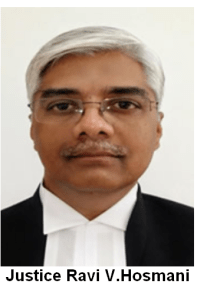
Santosh vs Harilal. Criminal Appeal 2784/2012 decided on 11 November 2020.
Judgment Link: http://judgmenthck.kar.nic.in/judgmentsdsp/bitstream/123456789/349010/1/CRLA2784-12-11-11-2020.pdf
Relevant Paragraphs: 17. The facts of the present case are not on par with those in Bir Singh Vs. Mukesh Kumar reported in (2019) 4 SCC 197, however, pivots on a different issue. The trial Court on consideration of the material omissions and contradictions in the version of the complainant regarding period of transaction as well as amount due not matching the cheque amount involved, acquitted the accused. As rightly submitted by learned counsel for the accused, the standard of proof for upsetting the presumption in favour of complainant is preponderance of probabilities as held in Vijay Vs. Lakshman & Ors. 2013 (3) SCC 86 . In order to do so, accused need not step into the witness box to prove that cheque issued was not in discharge of a legally recoverable debt or liability under Section 138 of the NI Act. He can very well establish the same by setting up a defence by preponderance of probabilities to upset the rebuttable presumption available to complainant as per Rangappa vs. MohanRangappa2010 (11) SCC 441, case when a probable defence is set up by accused, burden of explaining the same is on the complainant and standard of proof applicable for evaluating such explanation would be proved beyond reasonable doubt.
18. On over all consideration of the entire evidence on record, omissions and contradictions with regard to the period of transaction and amount involved coupled with failure to produce books of accounts by the complainant, who is a businessman and the transaction being a part of his business, the Trial Court, in my opinion, has rightly come to the conclusion that the complainant has failed to prove that an offence under Section 138 of the N.I. Act was committed by the accused and therefore, acquittal of the accused for the offence is justified. Hence, there is no merit in the appeal. Accordingly, it is dismissed.
Compiled by S. Basavaraj, Advocate, Daksha Legal.
 Daksha Legal