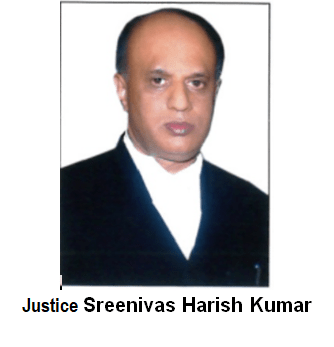
Prakash Raj @ Praksah Rai vs State of Karnataka and another. Criminal Petition 2394/2020 decided on 28 September 2020. Justice Sreenivas Harish Kumar.
Judgment link: https://karnatakajudiciary.kar.nic.in/noticeBoard/CRL-P-2394-2020.pdf
Held: Paragraph 8 The conspectus of the ratio is that affidavit is necessary to be filed with the complaint only in those cases where the police fail to take any action when a
report of commission of an offence is made to them according to section 154(1) of the Code and the Superintendent of Police also fails to initiate action when his attention is drawn as required under section 154(3) of the Code. Affidavit is insisted upon with a view to binding the complainant to the allegations that he has made in the complaint and taking action against him in case these allegations turn out to be false. To illustrate, if a person files a private complaint alleging an offence of hurt caused
to him by another, he must have exhausted the remedy under section 154(1) and section 154(3) of the Code and state about it in the affidavit besides giving a brief account of the incident in which he was hurt. But there are certain offences in respect of which the aggrieved person should make a complaint only under section 200 as prescribed in sections 195, 198 and 199 of the Code; compliance of section 154(1) and 154(3) is not contemplated, and in respect of such offences, an affidavit in support of the complaint is not required. The complaint under section 138 of the Negotiable Instruments Act also falls under this category.
9. Occasion to take cognizance under section 190(c) of the Code arises under two circumstances, firstly when any person other than a police officer makes a complaint, and secondly when the Magistrate takes cognizance upon his own knowledge about commission of offence, i.e., a situation where offence takes place in his presence. But where any person other than a police officer makes a complaint, affidavit is not necessary for, any person here refers to a public authority who is authorized or empowered under certain statutes to make a complaint. Since the public authority makes a complaint in exercise of statutory duty, affidavit cannot be insisted upon.
Compiled by S.Basavaraj, Daksha Legal.
 Daksha Legal